Charitable institutions approved under Section 44(6) of the Income Tax Act 1967 may follow different e-Invoice procedures depending on whether they are exempt and whether a donor requests an e-Invoice.
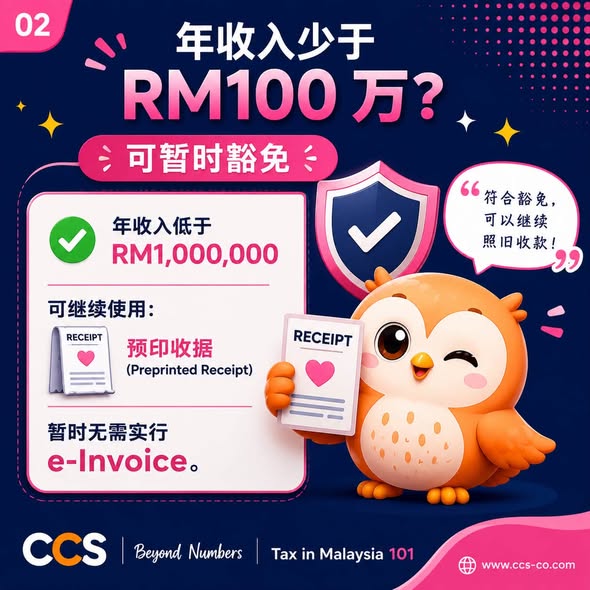
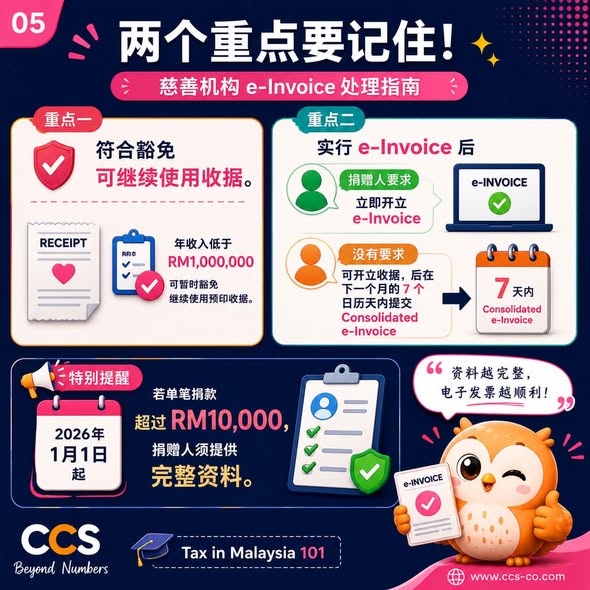
Institutions with Annual Income Below RM1 Million
Institutions with annual income below RM1 million may be temporarily exempt from implementing e-Invoice. During the exemption period, they may continue issuing pre-printed receipts and are not required to implement e-Invoice.
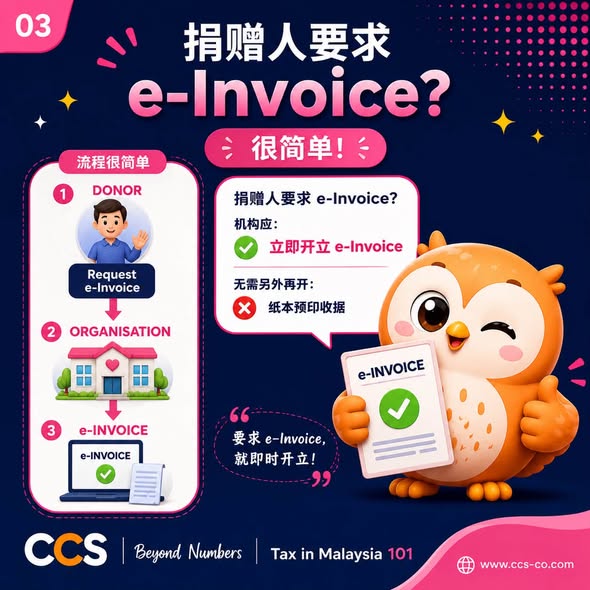
Institutions That Have Implemented e-Invoice
If a donor requests an e-Invoice, the institution should issue one immediately. A separate pre-printed paper receipt is not required.
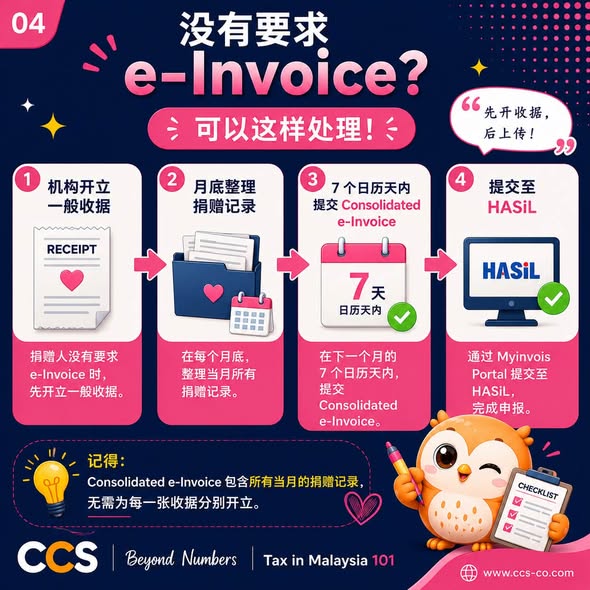
If the donor does not request an e-Invoice, the institution may issue a normal receipt and submit a Consolidated e-Invoice within seven calendar days of the following month.
Important Reminder
From 1 January 2026, after the Relaxation Period has ended, if a single donation exceeds RM10,000, the donor must provide complete information.
In summary: An institution that qualifies for the exemption may continue using receipts. Once it implements e-Invoice, it should issue an individual e-Invoice when requested by the donor and consolidate transactions when no e-Invoice is requested.
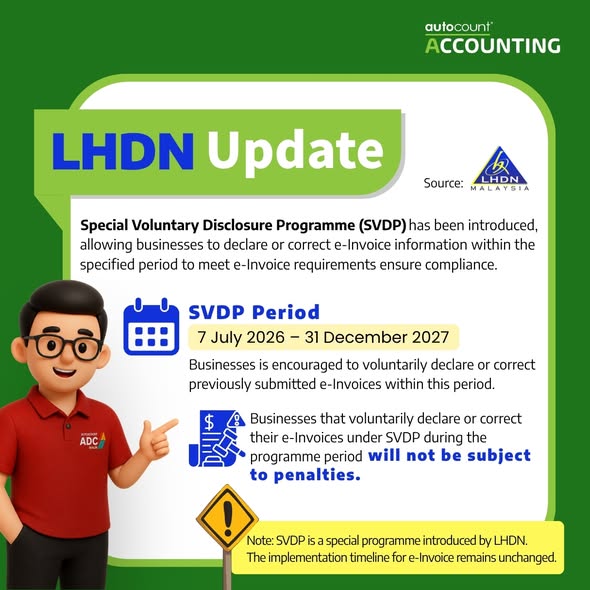
The e-Invoice Special Voluntary Disclosure Programme (SVDP) runs from 7 July 2026 to 31 December 2027. It applies to taxpayers who have not submitted e-Invoices, submitted e-Invoices containing errors or non-compliant information, or are undergoing—or have been notified of—an e-Invoice compliance review.
Use the Designated SVDP Version
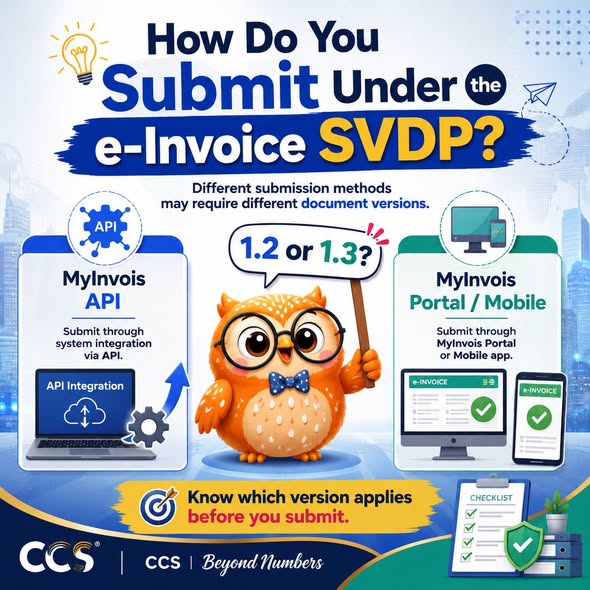
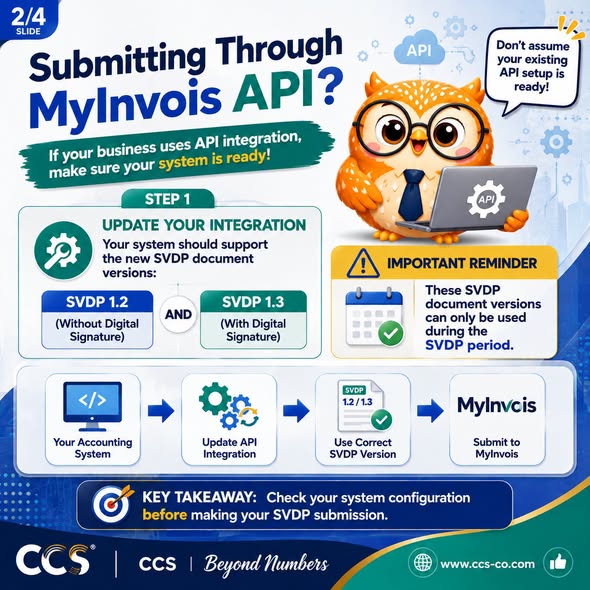
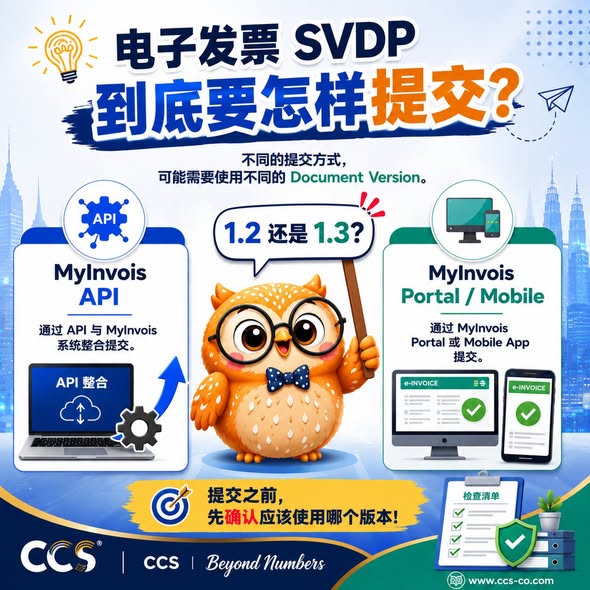
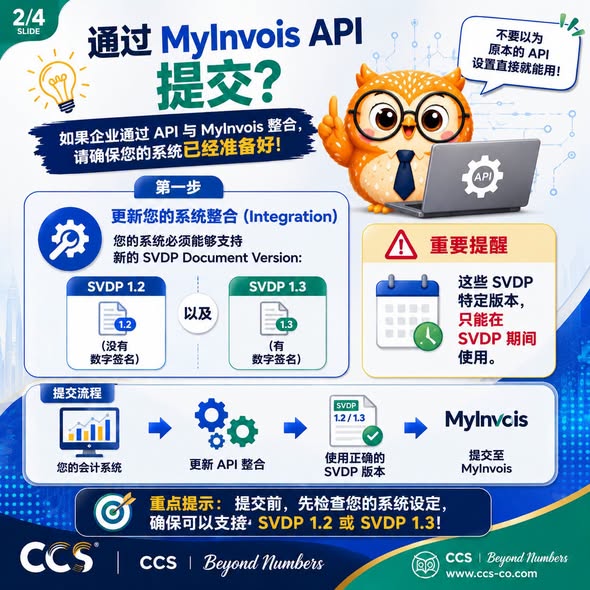
Taxpayers making a disclosure must use the designated SVDP e-Invoice version:
SVDP 1.2 for submissions without a digital signature; or
SVDP 1.3 for submissions with a digital signature.
These versions are for SVDP disclosures only and must not be used for e-Invoice submissions outside the programme.
Submit Consolidated e-Invoices by Month
If a voluntary disclosure concerns consolidated e-Invoices that were not previously submitted, they must be submitted separately for each relevant transaction month, not combined into a single submission covering multiple months.
For example, if consolidated e-Invoices were missed for four months, four separate monthly consolidated e-Invoices must be submitted.
Apply the Usual Rules for Transaction Types
The normal rules for the relevant transaction types continue to apply when making a disclosure. If a missed period includes transactions below RM10,000 as well as transactions exceeding RM10,000, each transaction exceeding RM10,000 still requires an individual e-Invoice. Smaller transactions may be reported through a Consolidated e-Invoice. Both must be submitted using SVDP 1.2 or SVDP 1.3.
Self-Billed e-Invoices
The same SVDP version requirements apply to self-billed e-Invoices. If self-billed e-Invoices were missed for periods after any applicable interim relaxation period ended, they must be submitted as individual transactional self-billed e-Invoices using SVDP 1.2 or SVDP 1.3, except for the cases specified in Section 3.6.5.
Protection and Its Limits
Provided that the taxpayer acts in good faith and meets the prescribed SVDP requirements, the Inland Revenue Board of Malaysia (IRBM) will not conduct e-Invoice compliance reviews or enforcement actions in relation to e-Invoices disclosed under the programme.
This protection does not apply if:
the e-Invoices submitted under the SVDP still fail to meet the specifications and requirements of the relevant tax legislation, the e-Invoice Guideline or the e-Invoice Specific Guideline; or
the voluntary disclosure involves fraud, wilful default or negligence.
Source: Section 17 of the IRBM E-Invoice Specific Guideline, Version 4.8, published on 7 July 2026.
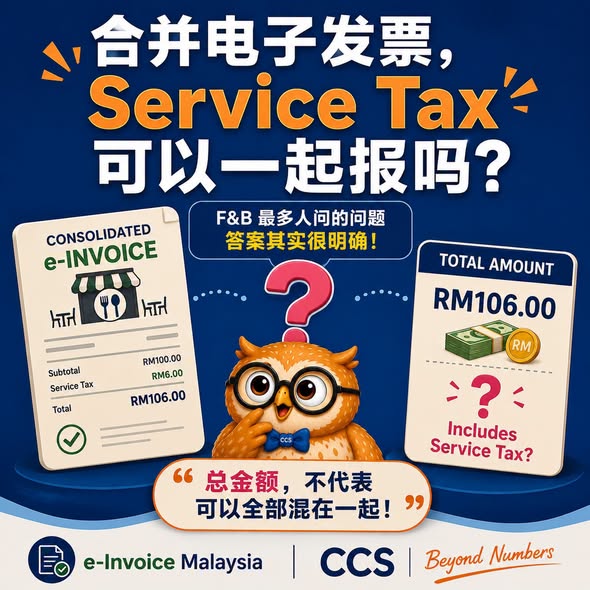
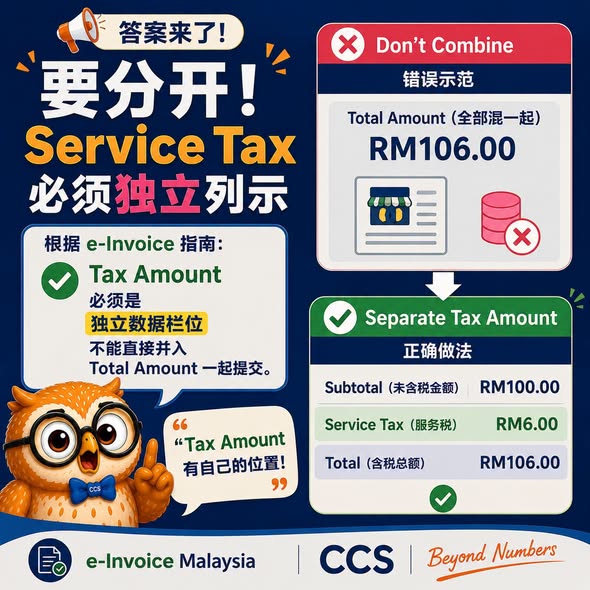
For food and beverage (F&B) businesses, service tax included in a consolidated e-Invoice should be reported separately rather than combined with other amounts.
Under the e-Invoice guidelines, Tax Amount is a separate mandatory data field. The applicable tax amount must be stated separately, whether at line-item or invoice level.
The following fields serve different purposes:
Total Excluding Tax: The total payable after discounts and charges, but excluding applicable taxes such as sales tax or service tax.
Tax Amount: The applicable tax amount, reported separately.
Total Including Tax: The total payable, including applicable taxes. This field applies at invoice level.
These fields should not be treated as a single combined figure. The system must be able to identify and report the service tax amount separately.
Practical Considerations for F&B Businesses
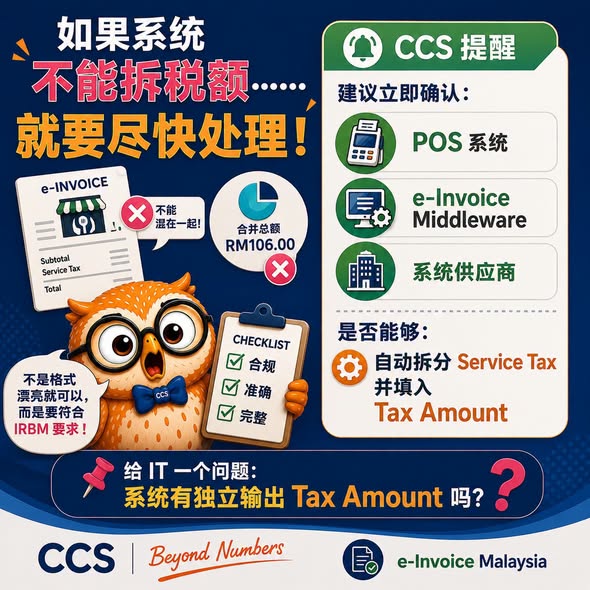
If a company’s system currently produces only a consolidated total that already includes service tax, without separately populating the Tax Amount field, the e-Invoice submission may not meet the stated requirements. IRBM requires the tax amount to be reported in its own field for validation and subsequent SST reconciliation.
Businesses should check whether their point-of-sale (POS) or cash-register system, or any middleware used, can calculate the service tax separately and populate the Tax Amount field when generating a Consolidated e-Invoice. The tax type should also be identified as “Service Tax”.
If the system cannot do this automatically, businesses may need to discuss the required tax breakdown with their software provider or IT team. The tax amount should be separated by tax type in the e-Invoice data, rather than shown only as part of a total inclusive of tax.
This is not merely a formatting issue. From 15 August, IRBM will validate multiple data fields in the production environment. A missing or incorrect Tax Amount field may result in a rejected submission or validation failure.
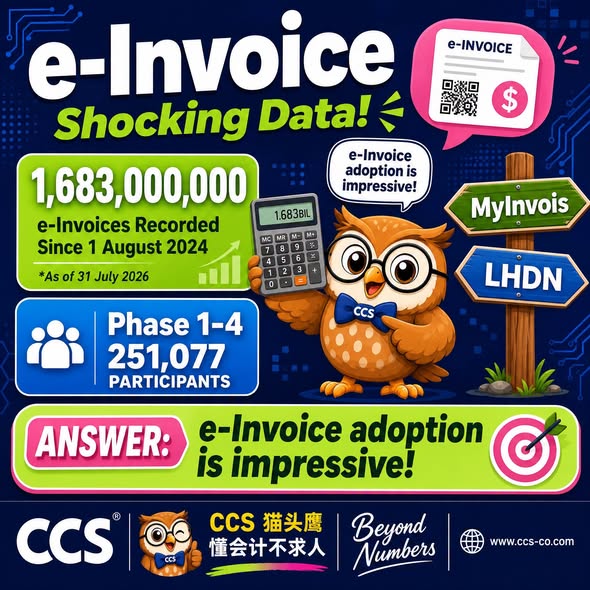
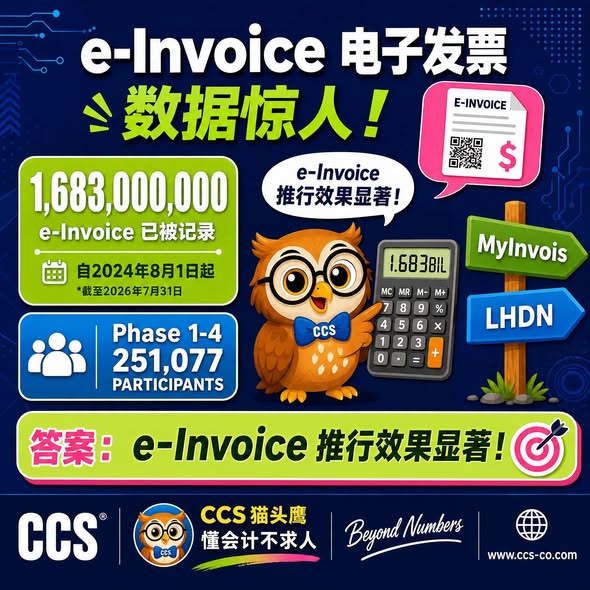
Since e-Invoice implementation began on 1 August 2024, more than 1.683 billion e-Invoices had been recorded by 31 July 2026. A total of 251,077 participants were covered across Phases 1 to 4 as at that date.
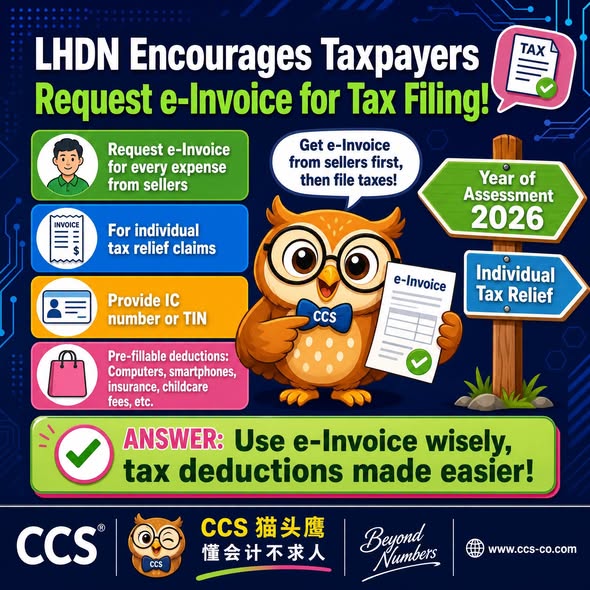
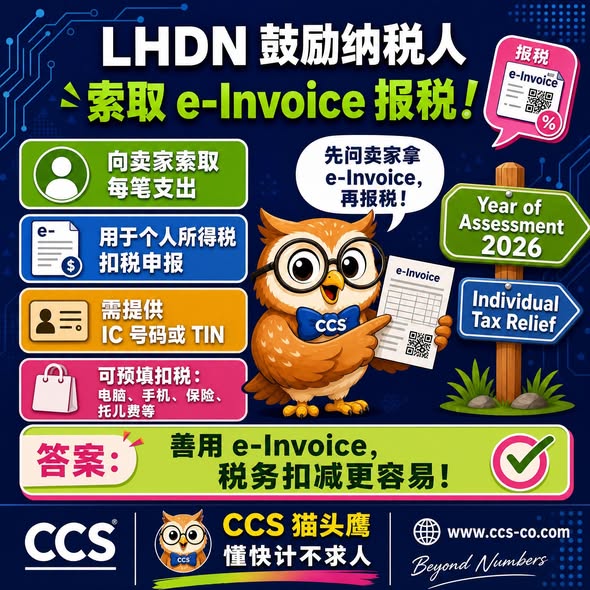
The Inland Revenue Board of Malaysia (LHDN) encourages taxpayers to request e-Invoices from sellers for use in their personal income tax claims. Taxpayers should provide their identification card number or Tax Identification Number (TIN) when requesting an e-Invoice, where required.
Keeping e-Invoices may also make it easier to organise supporting documents for tax claims, including deductions that can be pre-filled where applicable.
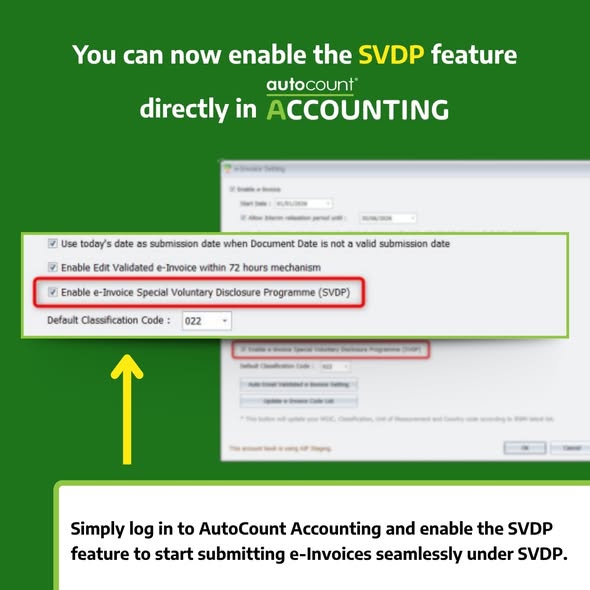
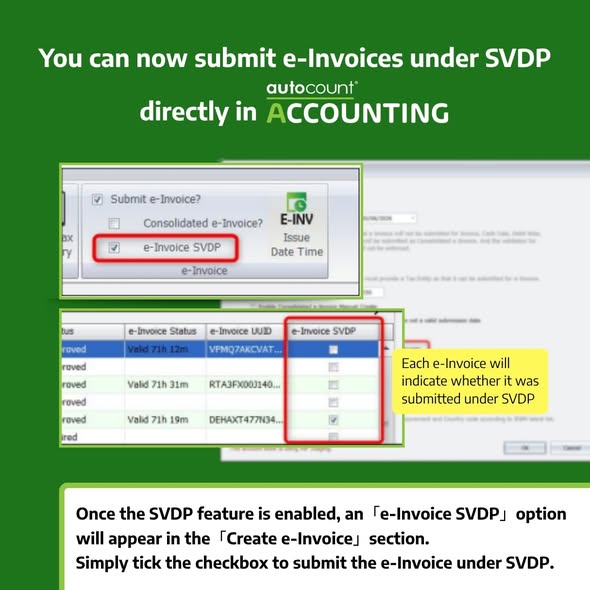
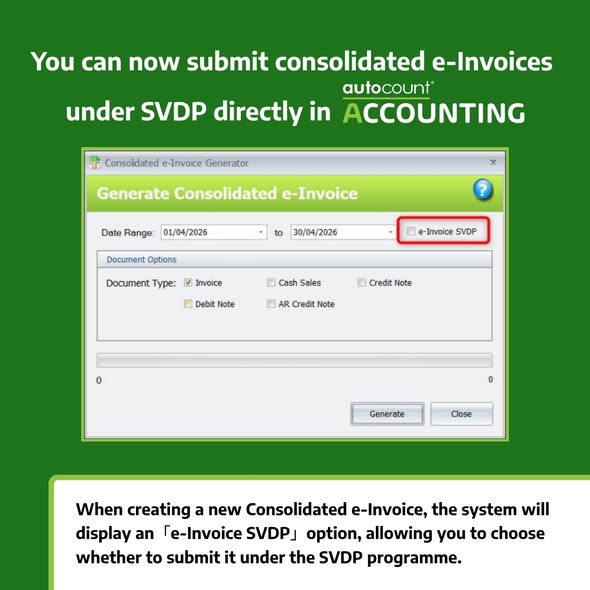
AutoCount Accounting now supports e-Invoice submission and management under the Special Voluntary Disclosure Programme (SVDP), helping businesses handle related submissions through the accounting system.
With the latest update, users can:
enable the SVDP feature directly in AutoCount Accounting;
submit e-Invoices under SVDP in a few steps;
generate Consolidated e-Invoices under SVDP; and
identify which e-Invoices were submitted under the programme.
Businesses that need to correct or amend e-Invoices should complete the necessary work within the applicable SVDP period. They can then enable the SVDP feature in AutoCount Accounting and submit the relevant e-Invoices through the system.
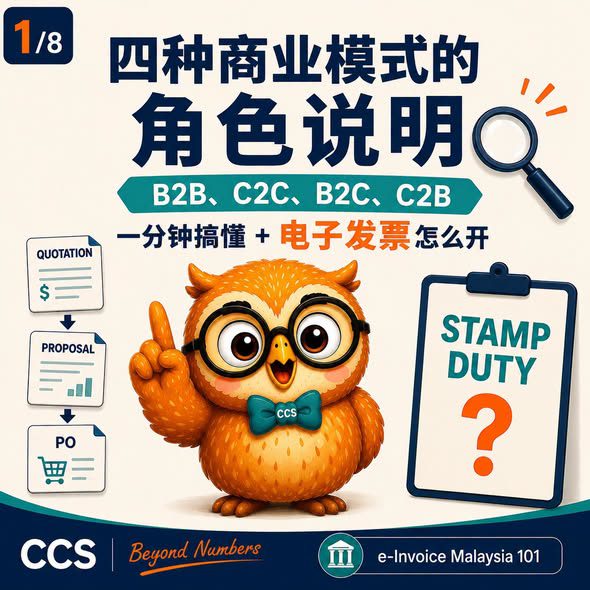
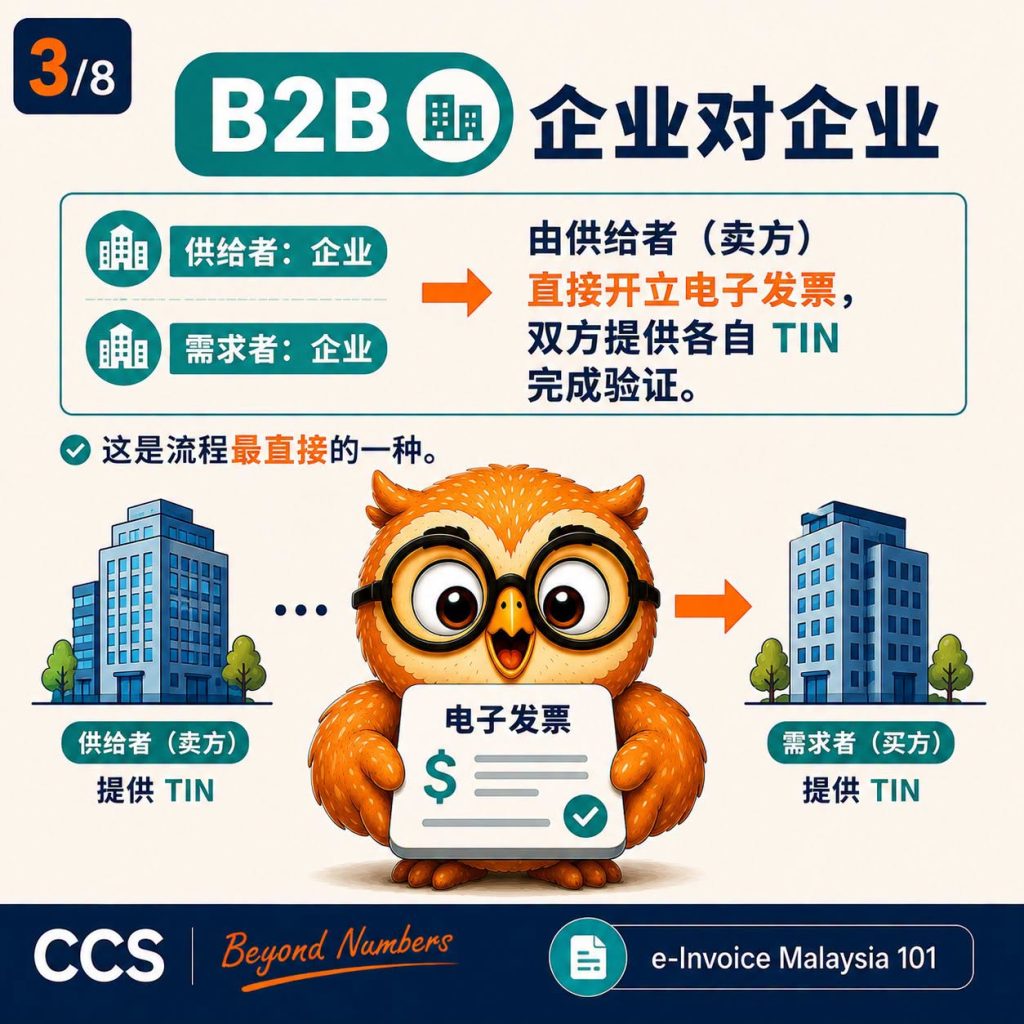
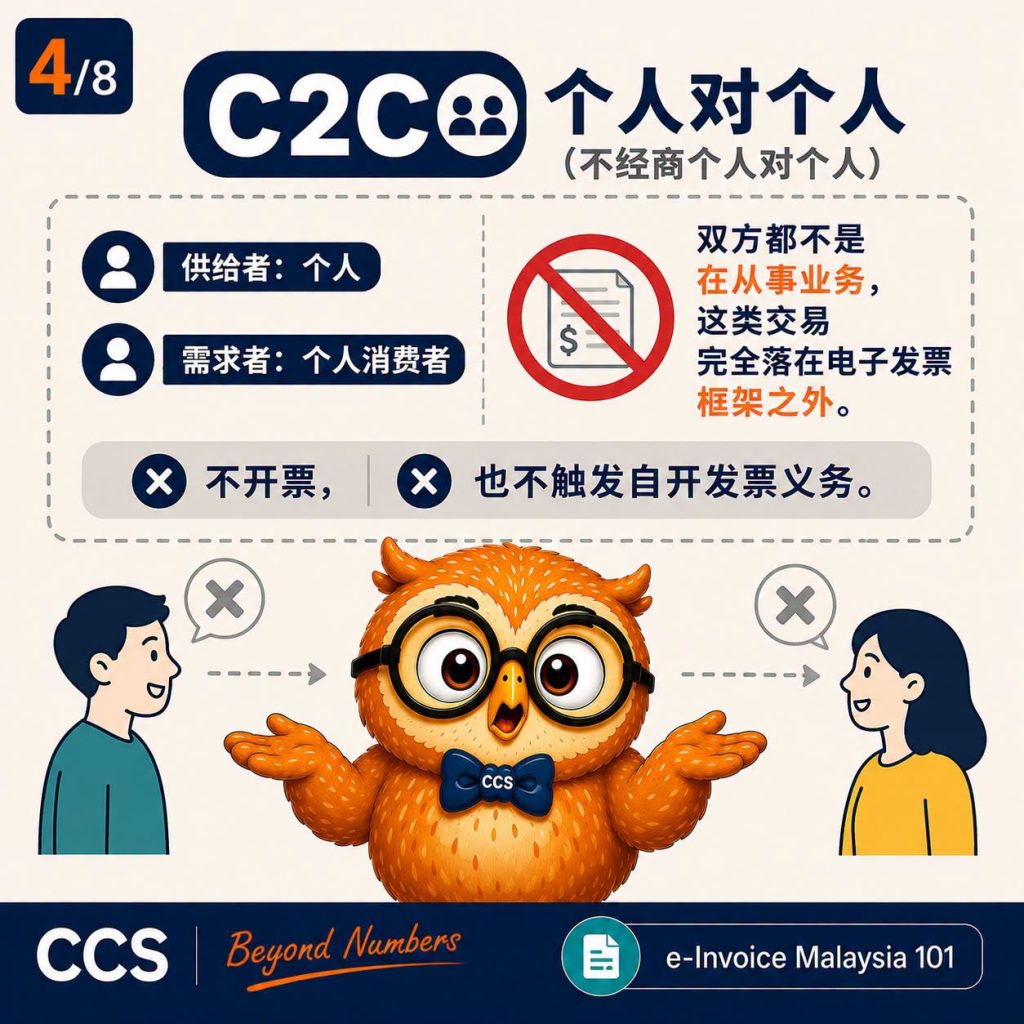
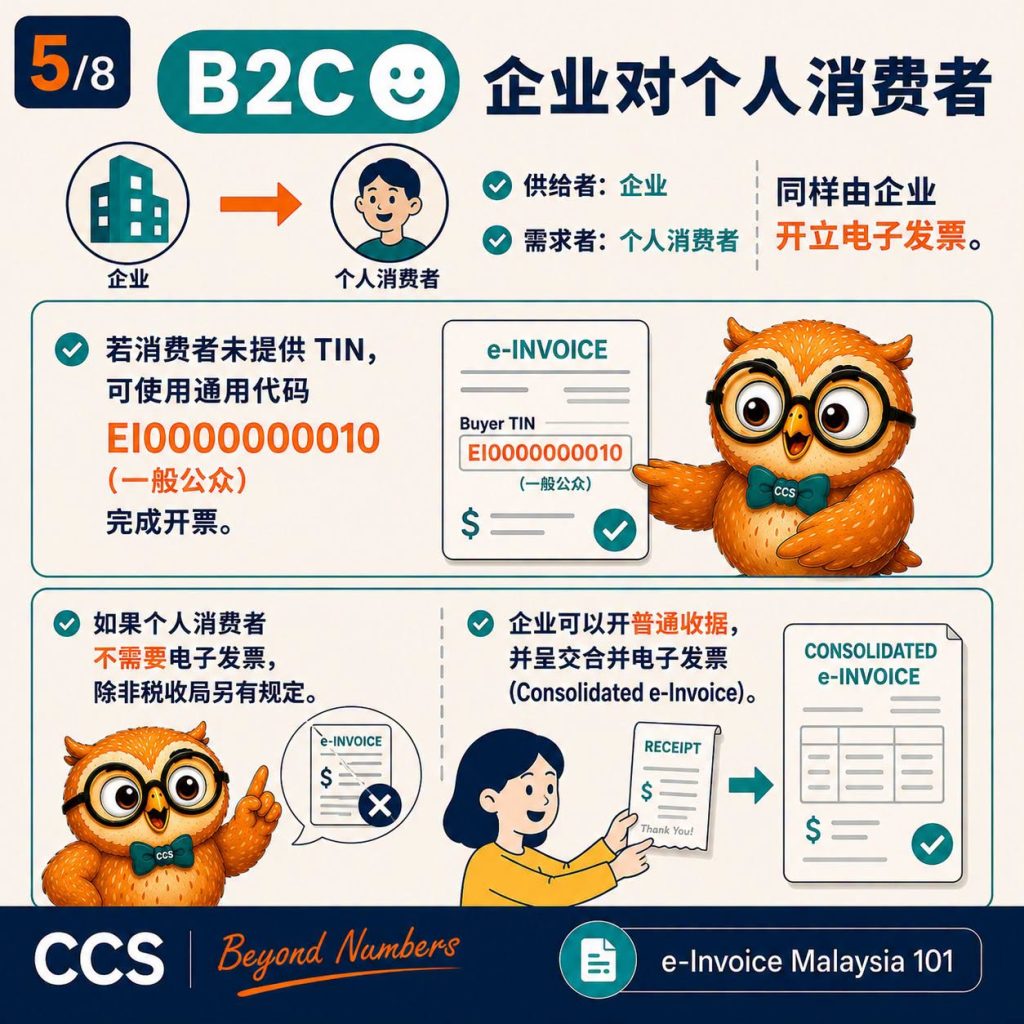
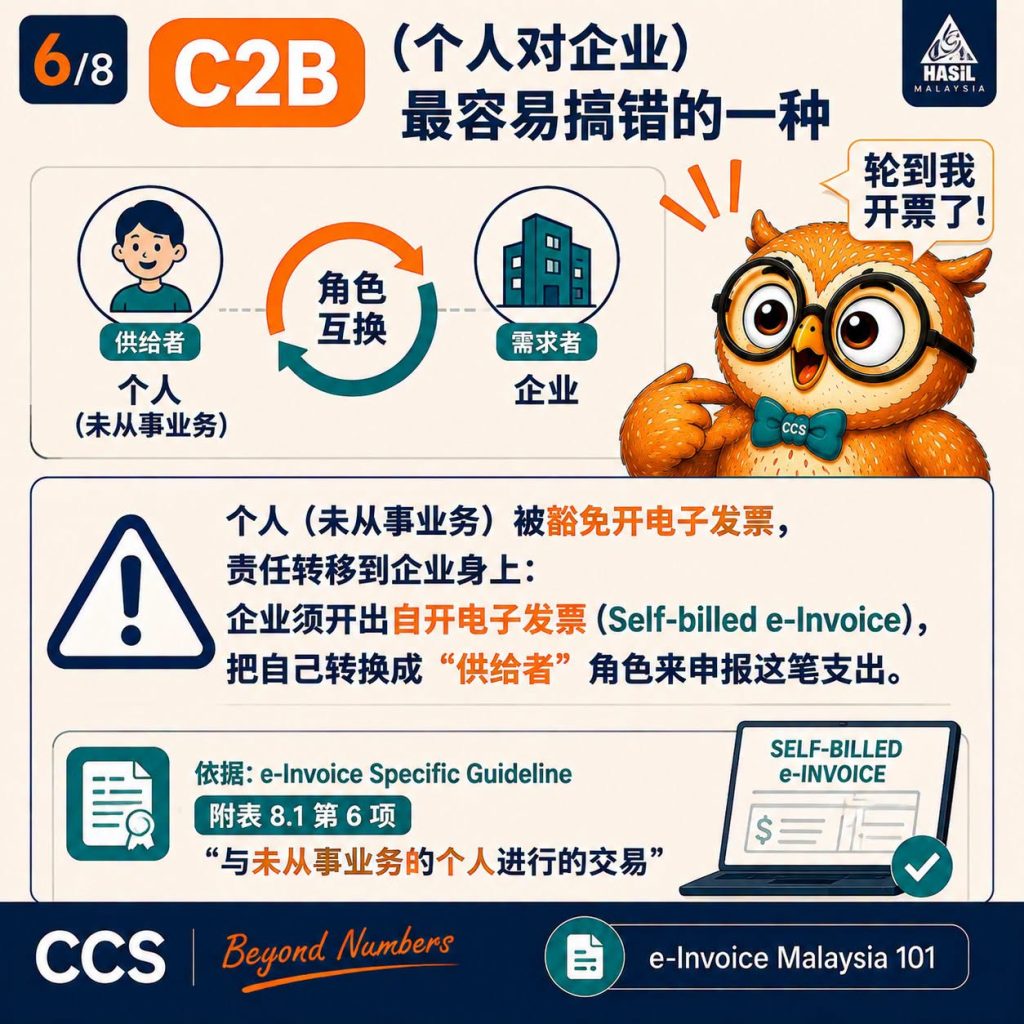
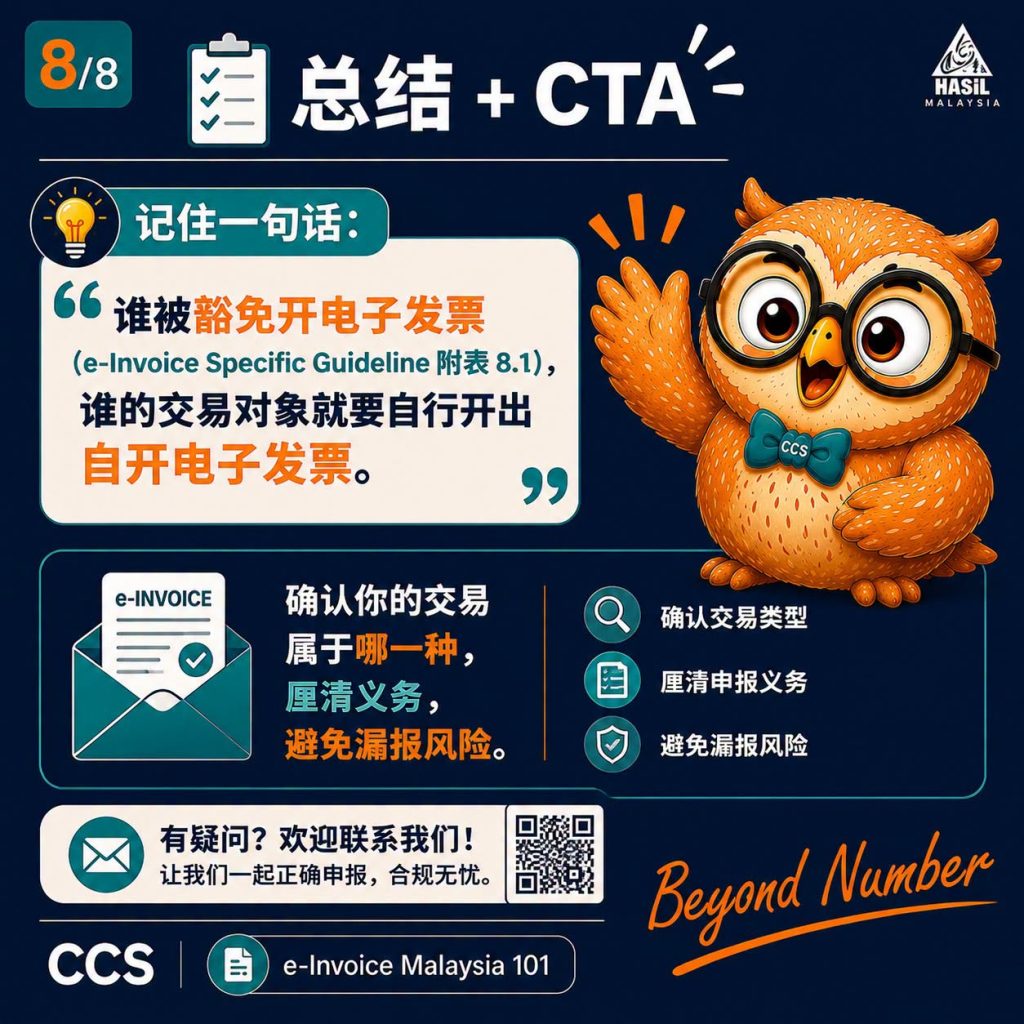
The e-Invoice responsibilities of businesses and individuals depend on the type of transaction. The four common models are B2B, C2C, B2C and C2B.
B2B (Business to Business): The business supplier issues the e-Invoice.
C2C (Consumer to Consumer): A transaction between individuals; no e-Invoice is required.
B2C (Business to Consumer): The business supplier issues the e-Invoice to the individual consumer.
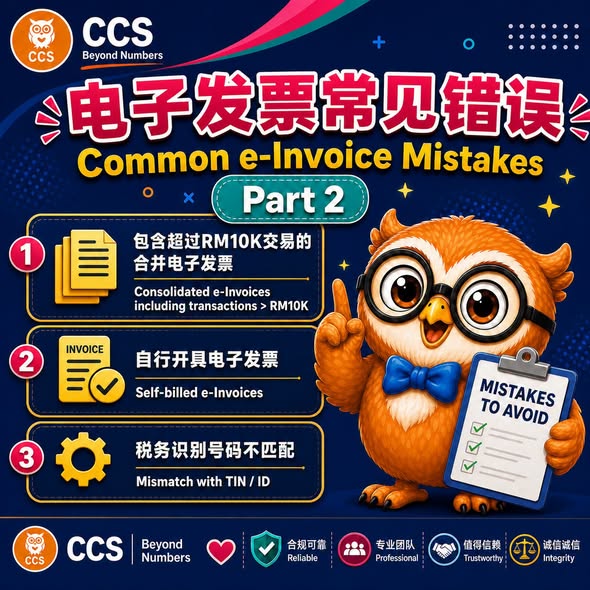
C2B (Consumer to Business): The individual is exempt from issuing an e-Invoice. Instead, the business issues a self-billed e-Invoice.
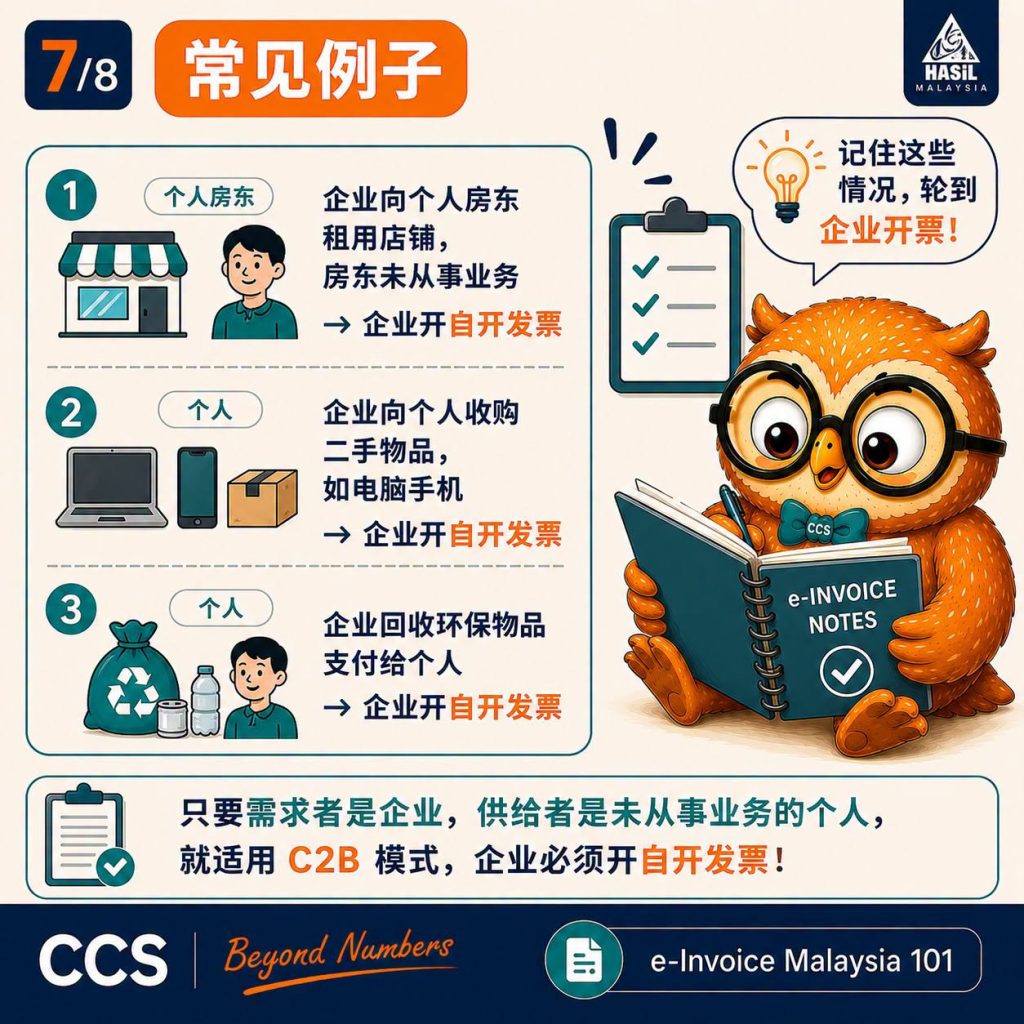
C2B transactions are often misunderstood. Examples include a business renting premises from an individual landlord, buying second-hand goods from an individual, or paying interest to an individual. In these situations, the business may need to issue a self-billed e-Invoice rather than wait for the individual to provide one.
Identifying the transaction type helps businesses understand who is responsible for issuing the e-Invoice and reduces the risk of missing a reporting obligation.
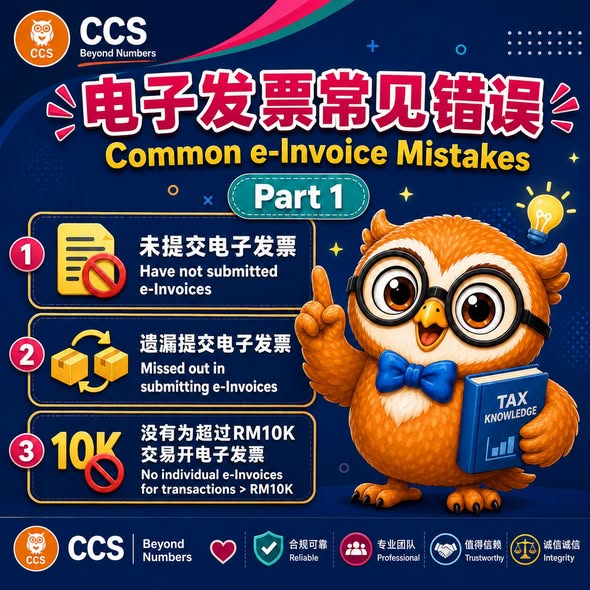
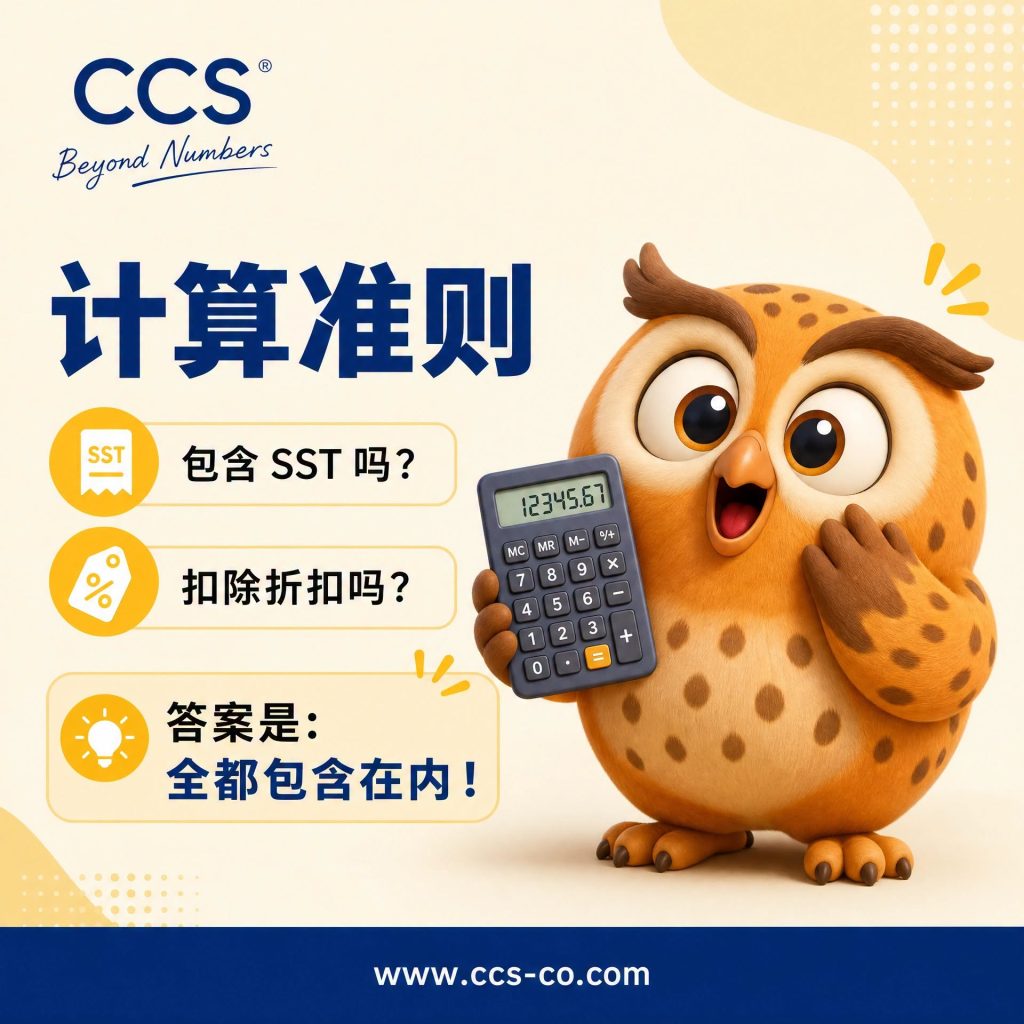
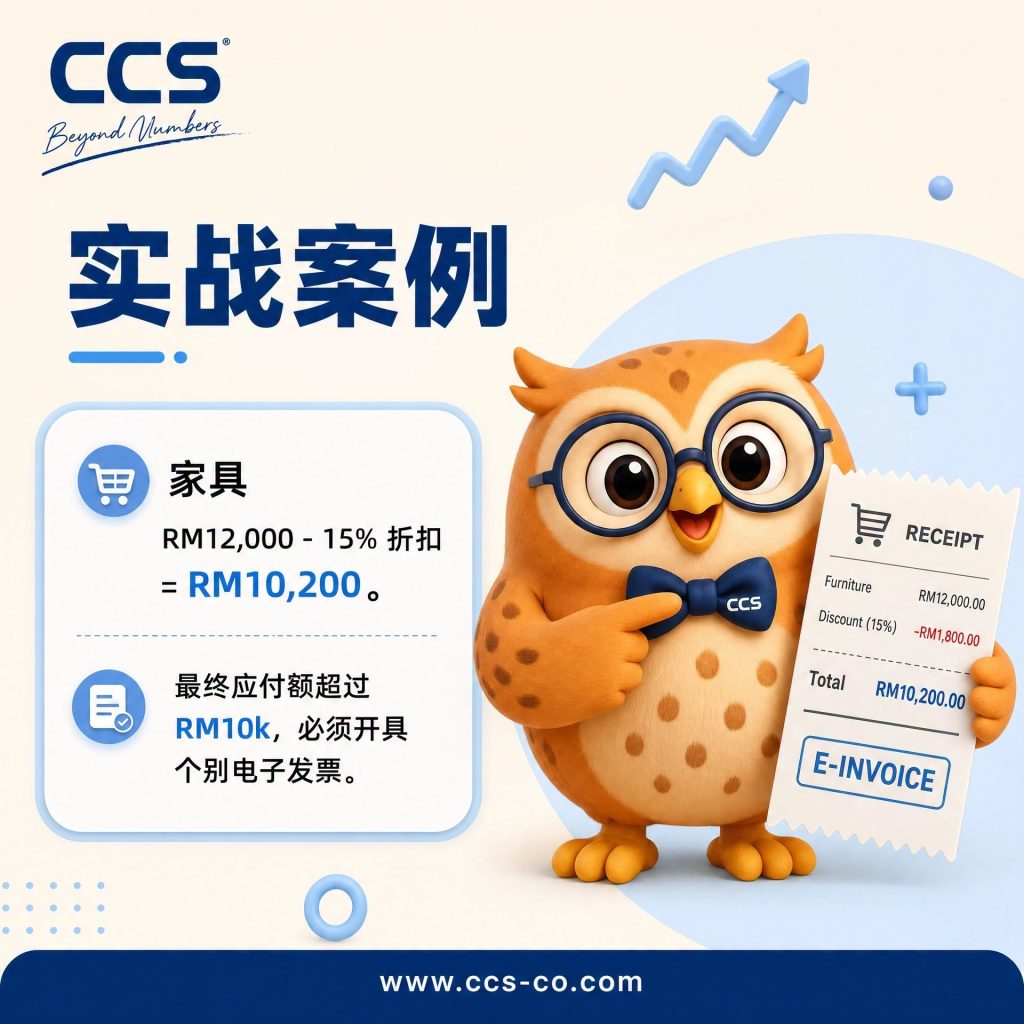
Businesses often ask whether a transaction exceeds the RM10,000 threshold before or after discounts and SST, and whether it can still be included in a Consolidated e-Invoice.
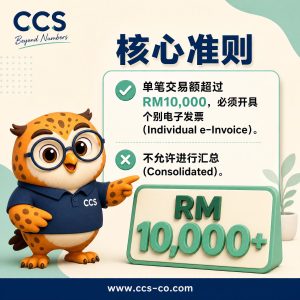
The rule is that a single transaction exceeding RM10,000, calculated after deducting discounts and including SST, must be issued as an individual e-Invoice. It cannot be included in a Consolidated e-Invoice, except during the Relaxation Period.
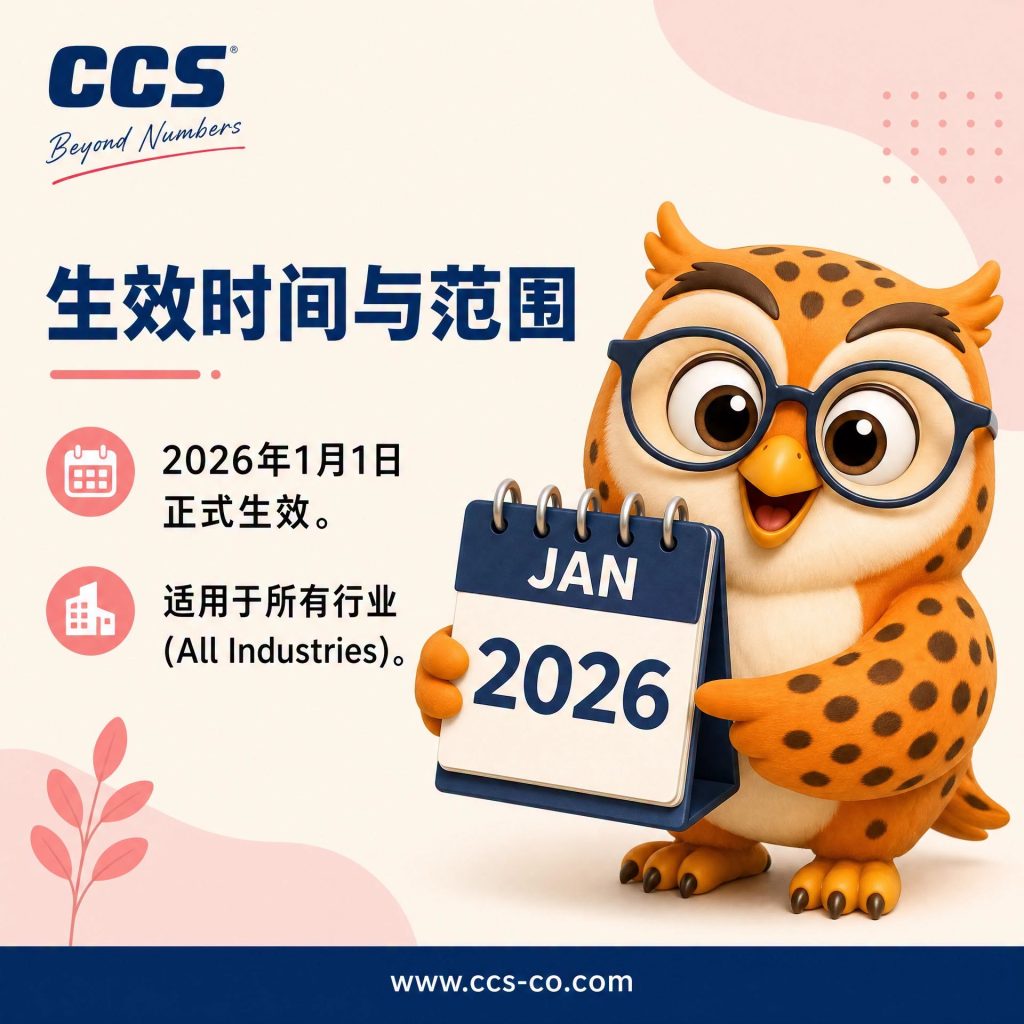
This requirement applies to all industries from 1 January 2026.
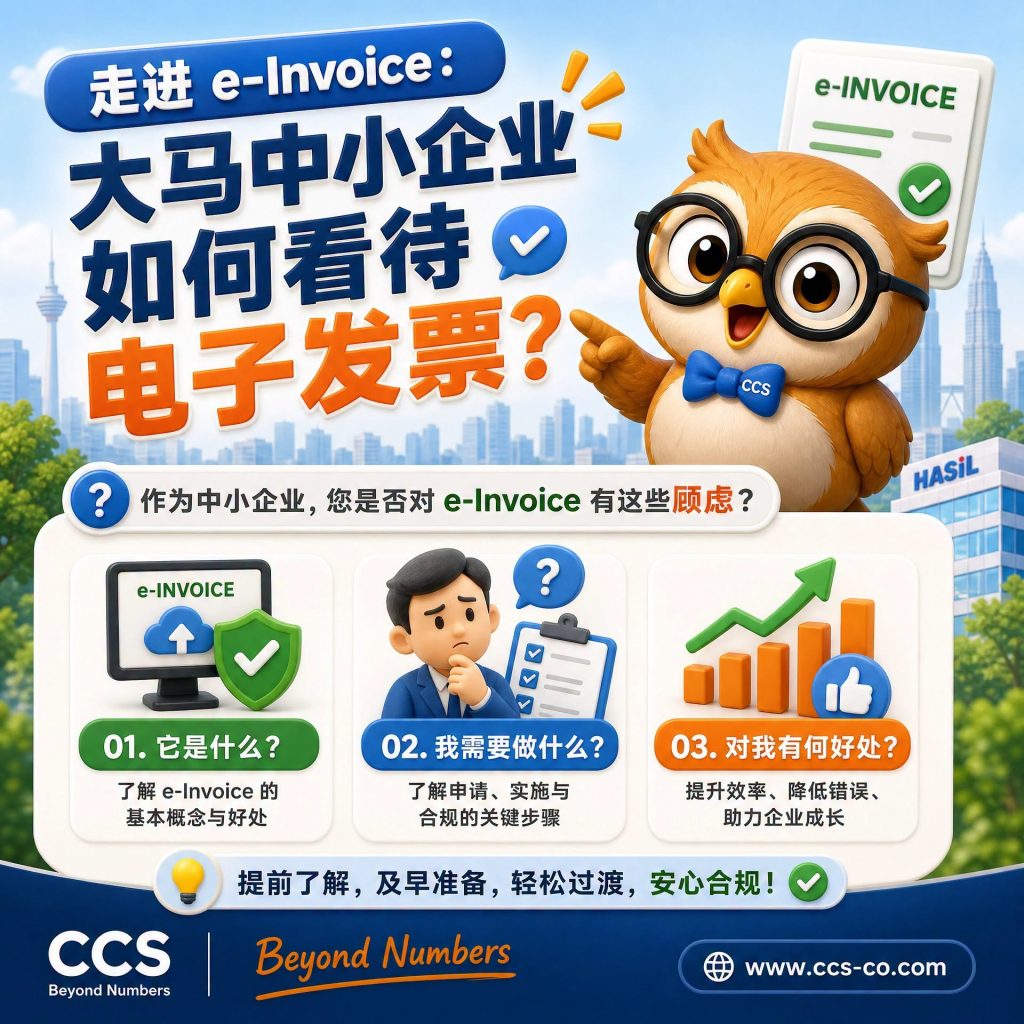
As Malaysia advances its e-Invoice policy, small and medium-sized enterprises (SMEs) are navigating a pivotal stage in their digital transformation.
e-Invoicing is more than a tax compliance requirement. It may also create opportunities for businesses to improve operational efficiency and reduce the costs associated with paper-based records. But what factors influence business owners’ willingness to adopt it?
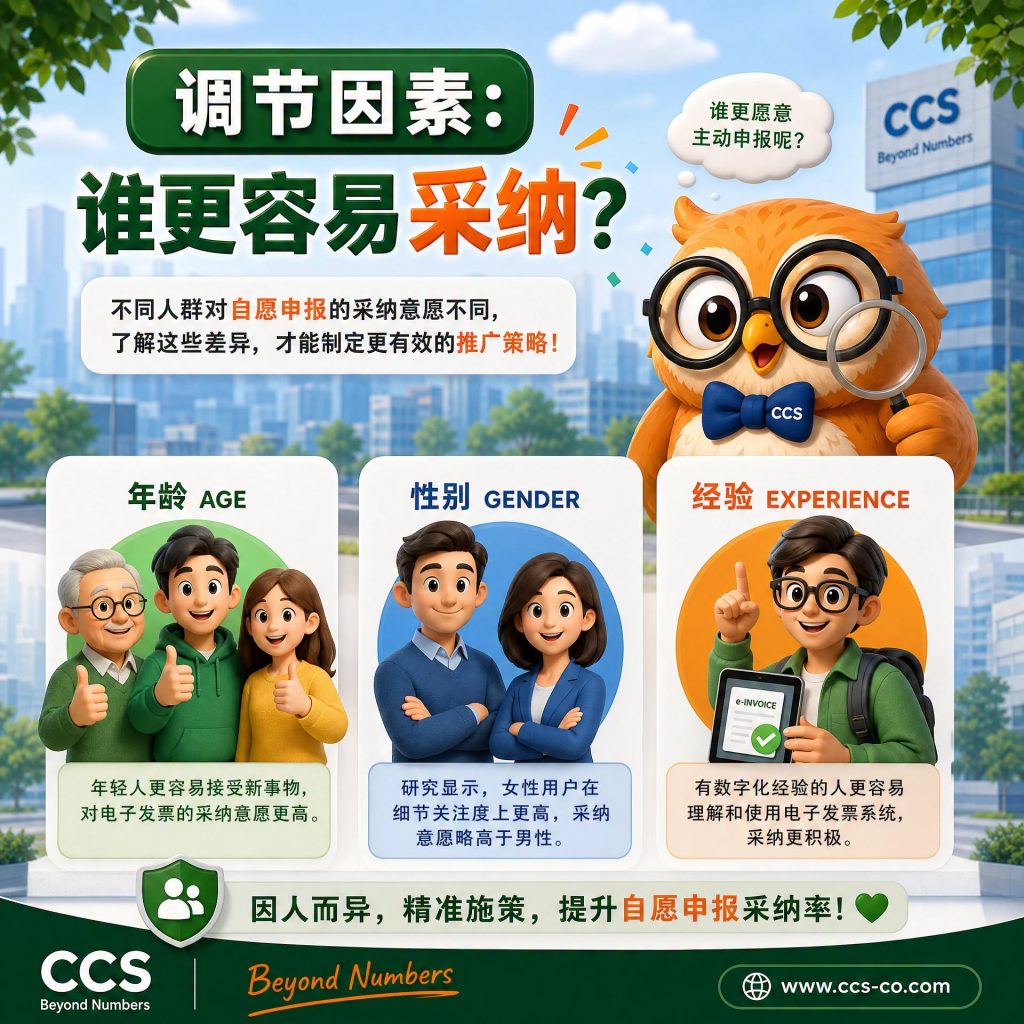
A study published in the International Journal of Accounting and Economics Studies applies an extended version of the Unified Theory of Acceptance and Use of Technology 2 (UTAUT2) to examine Malaysian SME owners’ behavioural intention to adopt e-Invoicing.
What Is UTAUT2?
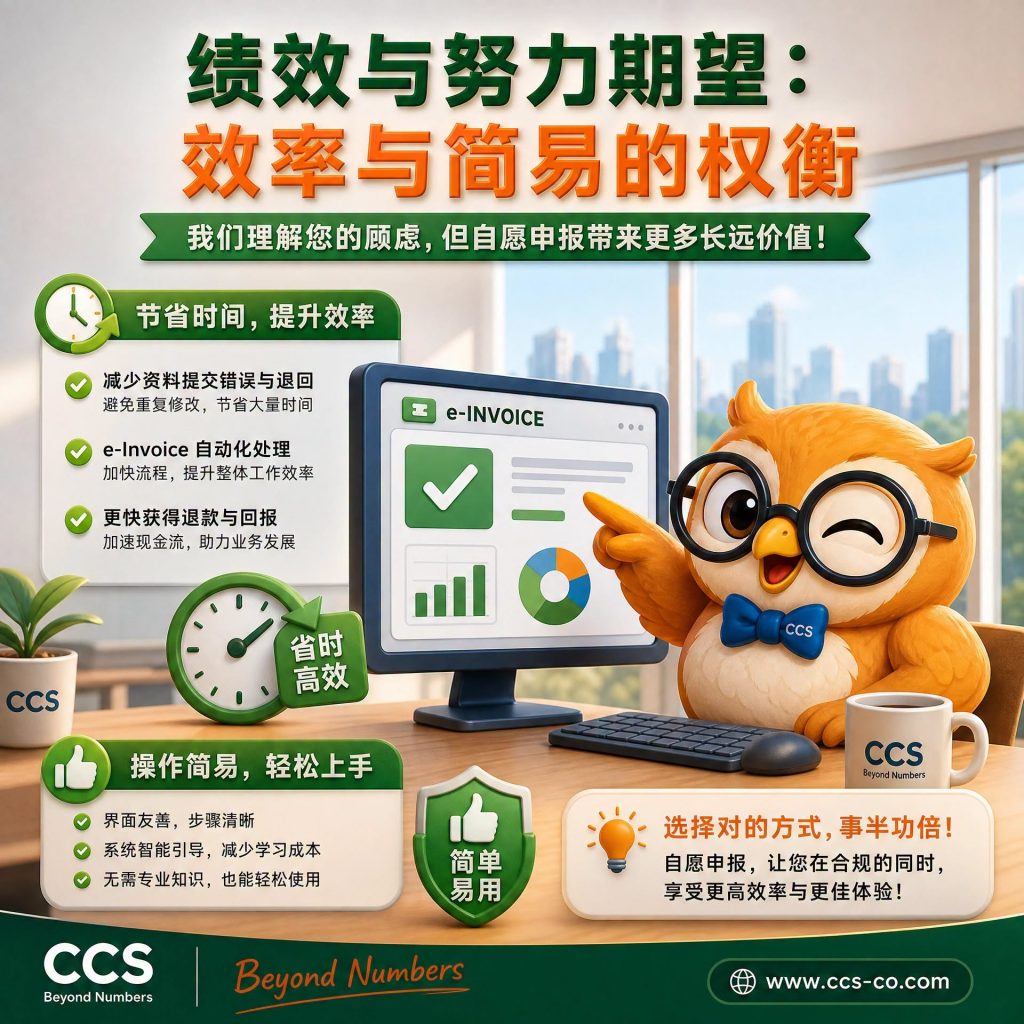
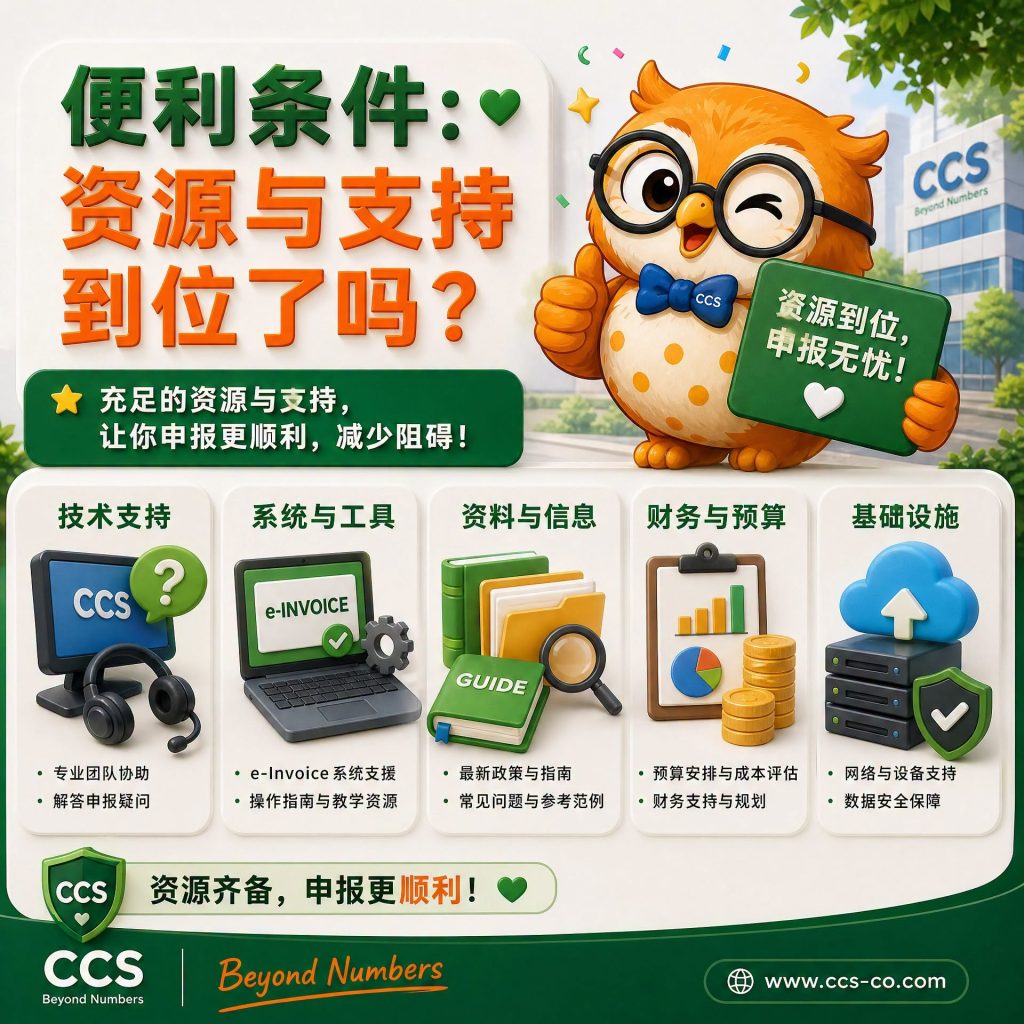
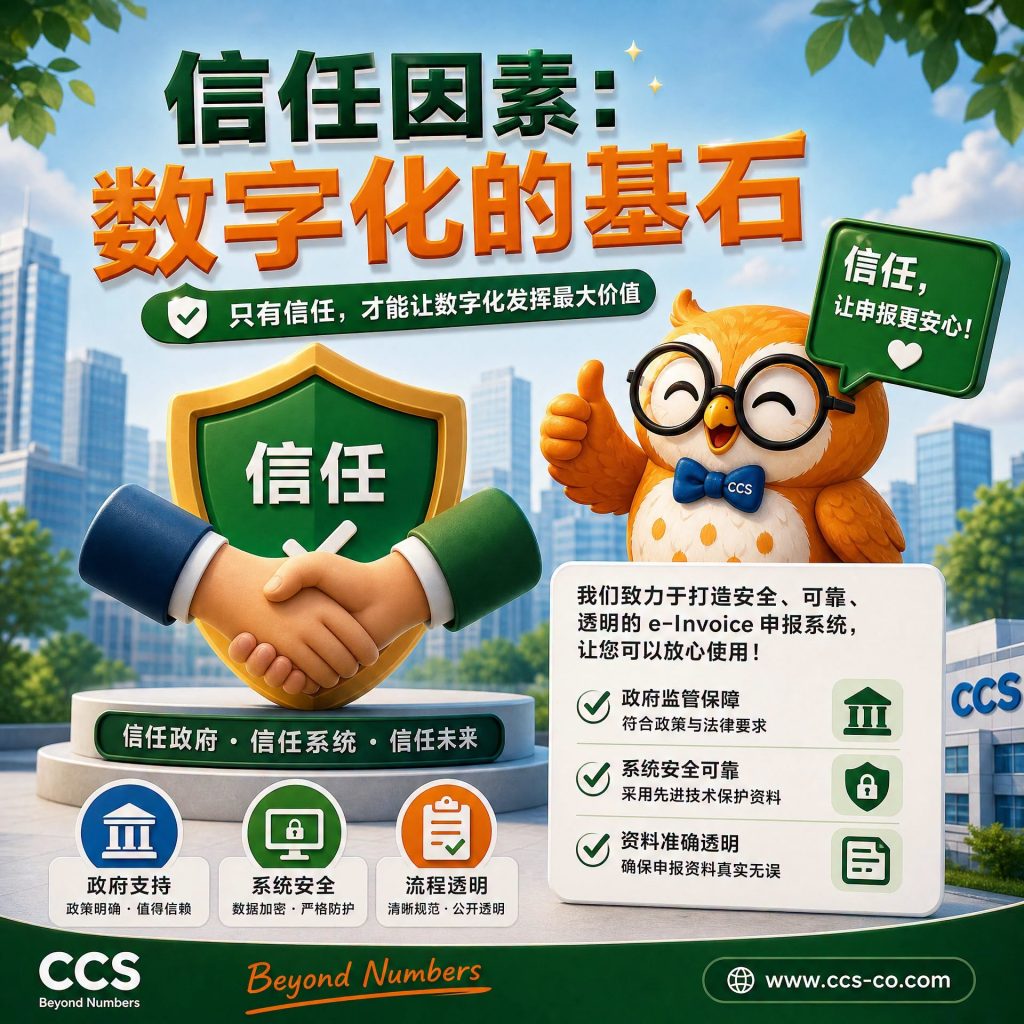
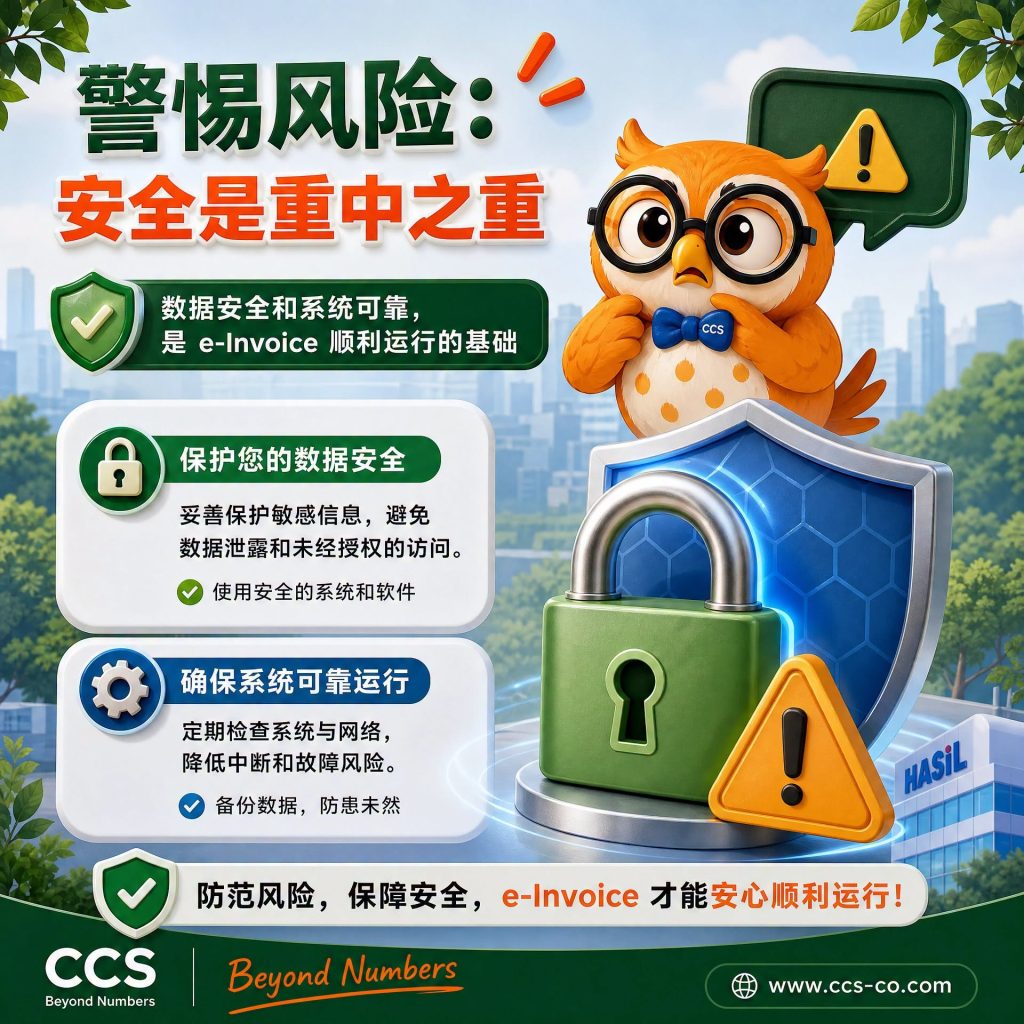
UTAUT2 is a framework for studying how people adopt and use technology. The study extends the framework to a business digitalisation and e-government context. It examines core factors such as performance expectancy, effort expectancy, social influence and facilitating conditions, alongside additional factors including trust, security and perceived risk.
The findings offer insight into how Malaysian SMEs may respond to e-Invoicing:
Research dimension
Focus
Finding and implication
Social influence
Peer expectations, industry associations and regulatory guidance
The strongest positive driver identified. Business owners may be influenced by their wider business environment and policy direction.
Security and risk
Concerns about data breaches and system reliability
A significant negative influence. Concerns about cybersecurity and system stability may make businesses hesitant to adopt e-Invoicing.
Performance and effort expectancy
Potential efficiency gains and ease of use
Important considerations, although they may not be decisive differentiators in a policy-driven adoption context.
Facilitating conditions and trust
Software, hardware and support, and confidence in the system
A foundation for supporting businesses through digital transformation.
Three Key Findings
1. Social influence can encourage adoption
The study found that social influence was the strongest positive factor affecting SME owners’ intention to adopt e-Invoicing.
When business peers and partners begin preparing for e-Invoicing, and guidance from the Inland Revenue Board of Malaysia (LHDN), industry associations and professionals is available, business owners may develop a stronger sense that they need to keep pace. Peer influence, combined with policy direction, can encourage businesses to take the first step.
2. Security concerns can be a significant barrier
In contrast, security concerns and perceived risk had a significant negative effect on adoption intention.
SMEs may not have the dedicated IT security resources available to larger organisations. As a result, they may be concerned about the exposure of sensitive financial data, system failures or potential technical vulnerabilities. Building confidence in the security and reliability of government and third-party systems is therefore important in addressing these concerns.
3. Performance and convenience matter, alongside support
Performance expectancy and effort expectancy are among the factors considered in the study. Its findings suggest that, in the context of a national digital policy, Malaysian SMEs may also focus on compliance requirements and longer-term efficiency.
Facilitating conditions—such as clear government guidance, suitable software and technical support—can help reduce the difficulties businesses may encounter during the transition.
Implications for Businesses and Policymakers
The findings point to several practical considerations for businesses, professional advisers and software providers:
Build trust and confidence: Software developers and relevant organisations can strengthen data protection and system security, and communicate compliance safeguards clearly.
Use peer examples: Sharing practical experiences from businesses that have adopted e-Invoicing may help others understand the transition and its benefits.
Provide accessible support: Clear guidance, user-friendly processes, technical training and responsive customer support can help SMEs navigate implementation.
Conclusion
The adoption of e-Invoicing involves more than a technological upgrade; it can also influence how businesses manage their operations and records.
In keeping with CCS’s “Beyond Numbers” approach, understanding the practical concerns and perspectives of business owners is important to supporting effective compliance and a more positive digital transition.
References
Ilias, A., Baidi, N., Ghani, E. K., & Mohammad, K. (2026). “Understanding Behavioural Intention to Adopt E-Invoicing in The Case of Malaysia Small and Medium Enterprises (SMEs): A UTAUT2.” International Journal of Accounting and Economics Studies, 13(1), 56–67.
Venkatesh, V., Thong, J. Y., & Xu, X. (2012). “Consumer acceptance and use of information technology: Extending the unified theory of acceptance and use of technology.” MIS Quarterly, 36(1), 157–178.
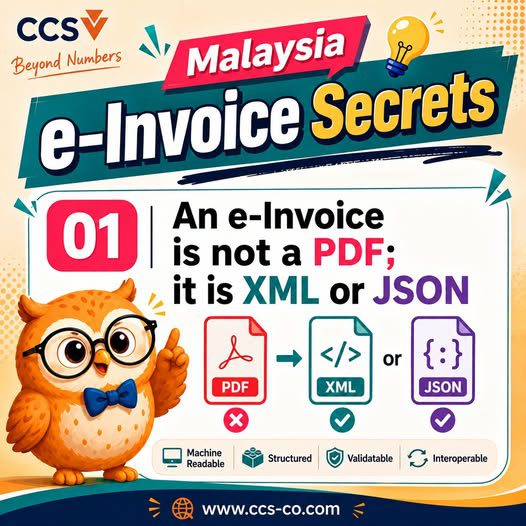
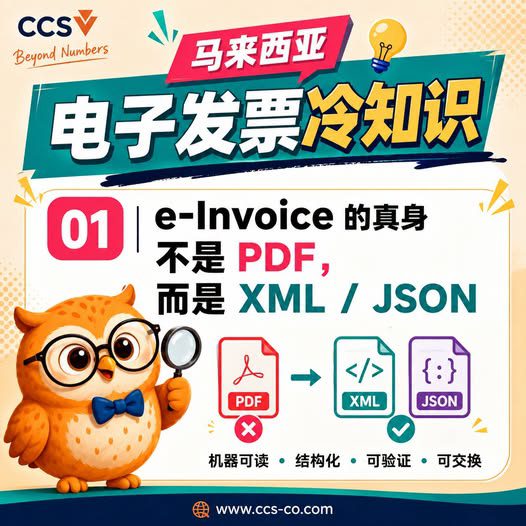
An e-Invoice is not simply a PDF sent to a buyer. The Inland Revenue Board of Malaysia (IRBM) requires e-Invoices to be submitted in a structured, machine-readable format, such as XML or JSON.
A PDF may serve as a visual representation for people to read, but the information submitted to IRBM for validation is structured data.