The e-Invoice Special Voluntary Disclosure Programme (SVDP) runs from 7 July 2026 to 31 December 2027. It applies to taxpayers who have not submitted e-Invoices, submitted e-Invoices containing errors or non-compliant information, or are undergoing—or have been notified of—an e-Invoice compliance review.
Use the Designated SVDP Version
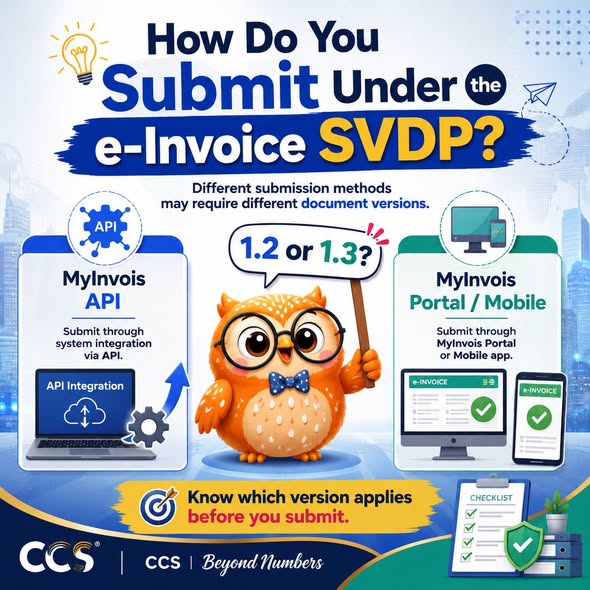
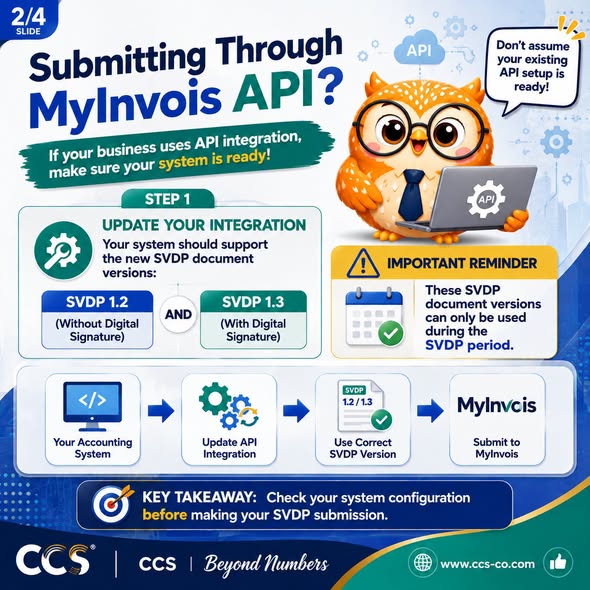
Taxpayers making a disclosure must use the designated SVDP e-Invoice version:
- SVDP 1.2 for submissions without a digital signature; or
- SVDP 1.3 for submissions with a digital signature.
These versions are for SVDP disclosures only and must not be used for e-Invoice submissions outside the programme.
Submit Consolidated e-Invoices by Month
If a voluntary disclosure concerns consolidated e-Invoices that were not previously submitted, they must be submitted separately for each relevant transaction month, not combined into a single submission covering multiple months.
For example, if consolidated e-Invoices were missed for four months, four separate monthly consolidated e-Invoices must be submitted.
Apply the Usual Rules for Transaction Types
The normal rules for the relevant transaction types continue to apply when making a disclosure. If a missed period includes transactions below RM10,000 as well as transactions exceeding RM10,000, each transaction exceeding RM10,000 still requires an individual e-Invoice. Smaller transactions may be reported through a Consolidated e-Invoice. Both must be submitted using SVDP 1.2 or SVDP 1.3.
Self-Billed e-Invoices
The same SVDP version requirements apply to self-billed e-Invoices. If self-billed e-Invoices were missed for periods after any applicable interim relaxation period ended, they must be submitted as individual transactional self-billed e-Invoices using SVDP 1.2 or SVDP 1.3, except for the cases specified in Section 3.6.5.
Protection and Its Limits
Provided that the taxpayer acts in good faith and meets the prescribed SVDP requirements, the Inland Revenue Board of Malaysia (IRBM) will not conduct e-Invoice compliance reviews or enforcement actions in relation to e-Invoices disclosed under the programme.
This protection does not apply if:
- the e-Invoices submitted under the SVDP still fail to meet the specifications and requirements of the relevant tax legislation, the e-Invoice Guideline or the e-Invoice Specific Guideline; or
- the voluntary disclosure involves fraud, wilful default or negligence.
Source: Section 17 of the IRBM E-Invoice Specific Guideline, Version 4.8, published on 7 July 2026.
如何根据SVDP提交 e-Invoice
电子发票特别自愿披露计划(SVDP)于2026年7月7日至2027年12月31日期间实施,适用于未提交 e-Invoice、已提交但内容有误或不符合规定,或正在接受(或已接获通知将接受)e-Invoice合规审查的纳税人。
使用指定的SVDP版本
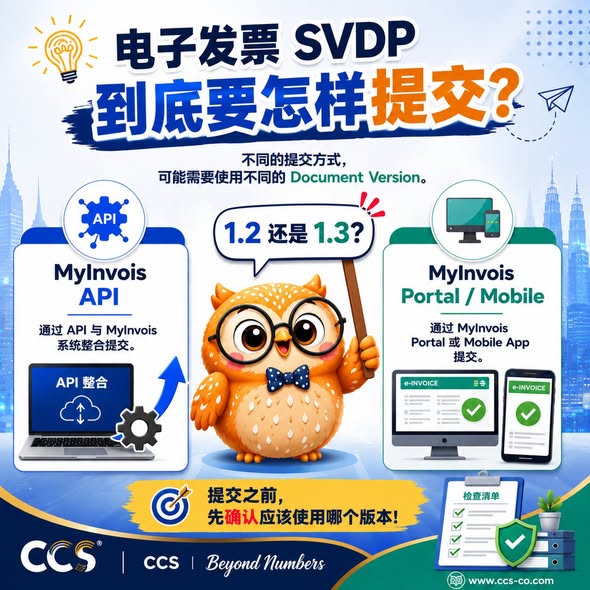
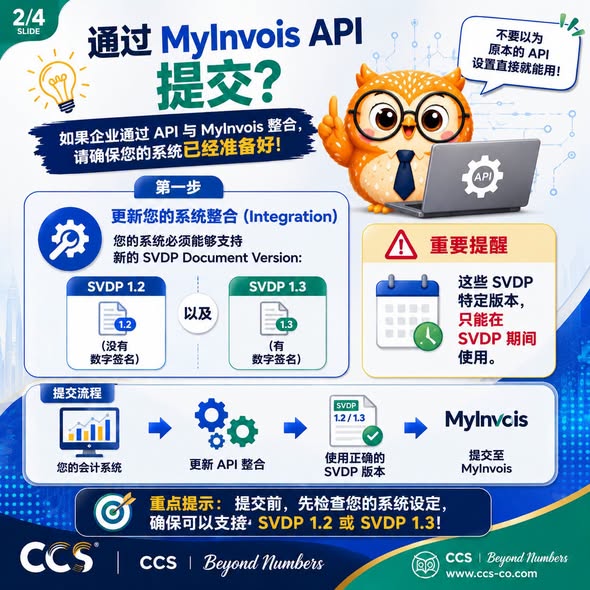
纳税人进行披露时,必须使用指定的SVDP电子发票版本:
- SVDP 1.2:用于不含数字签名的提交;或
- SVDP 1.3:用于含数字签名的提交。
这两个版本仅用于SVDP披露,不得用于计划以外的 e-Invoice 提交。
合并电子发票须按月提交
如果自愿披露涉及此前未提交的合并电子发票,必须按交易所属月份分别提交,不得将多个交易月份合并为一次提交。
例如,若遗漏了四个月的合并电子发票,就必须分别提交四份月度合并电子发票。
仍须遵守各类交易的常规规则
披露时仍须遵循相关交易类型的常规规则。如果遗漏期间同时包含低于RM10,000及超过RM10,000的交易,超过RM10,000的每笔交易仍须开具个别电子发票;较小金额的交易则可通过合并电子发票申报。两者均须使用SVDP 1.2或SVDP 1.3版本提交。
自开电子发票
自开电子发票同样须遵守SVDP版本要求。如果适用的临时宽限期结束后仍有自开电子发票遗漏,须使用SVDP 1.2或SVDP 1.3,以单笔交易自开电子发票的方式提交;第3.6.5节所列情形除外。
保障范围与例外
只要纳税人本着诚信原则行事,并符合SVDP规定的要求,马来西亚内陆税收局(IRBM)将不会就通过该计划披露的电子发票开展合规审查或采取执法行动。
但以下情况不适用上述保障:
- 根据SVDP提交的电子发票仍不符合相关税务法规、《e-Invoice Guideline》或《e-Invoice Specific Guideline》的规格与要求;或
- 自愿披露涉及欺诈、故意违约或疏忽。
资料来源:IRBM于2026年7月7日发布的《E-Invoice Specific Guideline》第4.8版第17节。