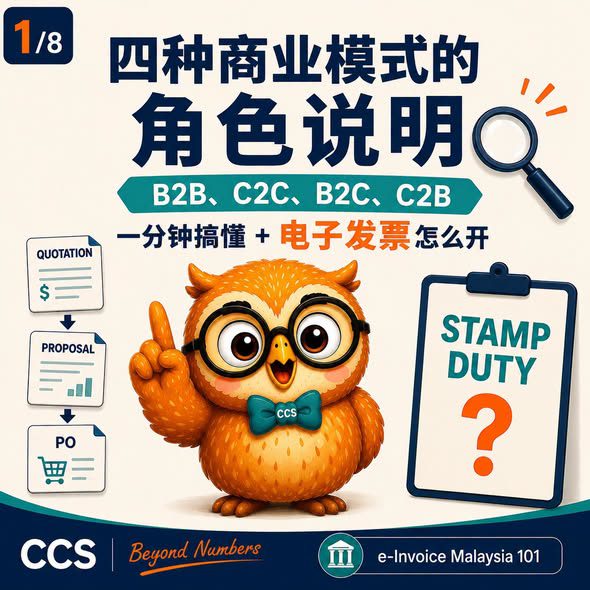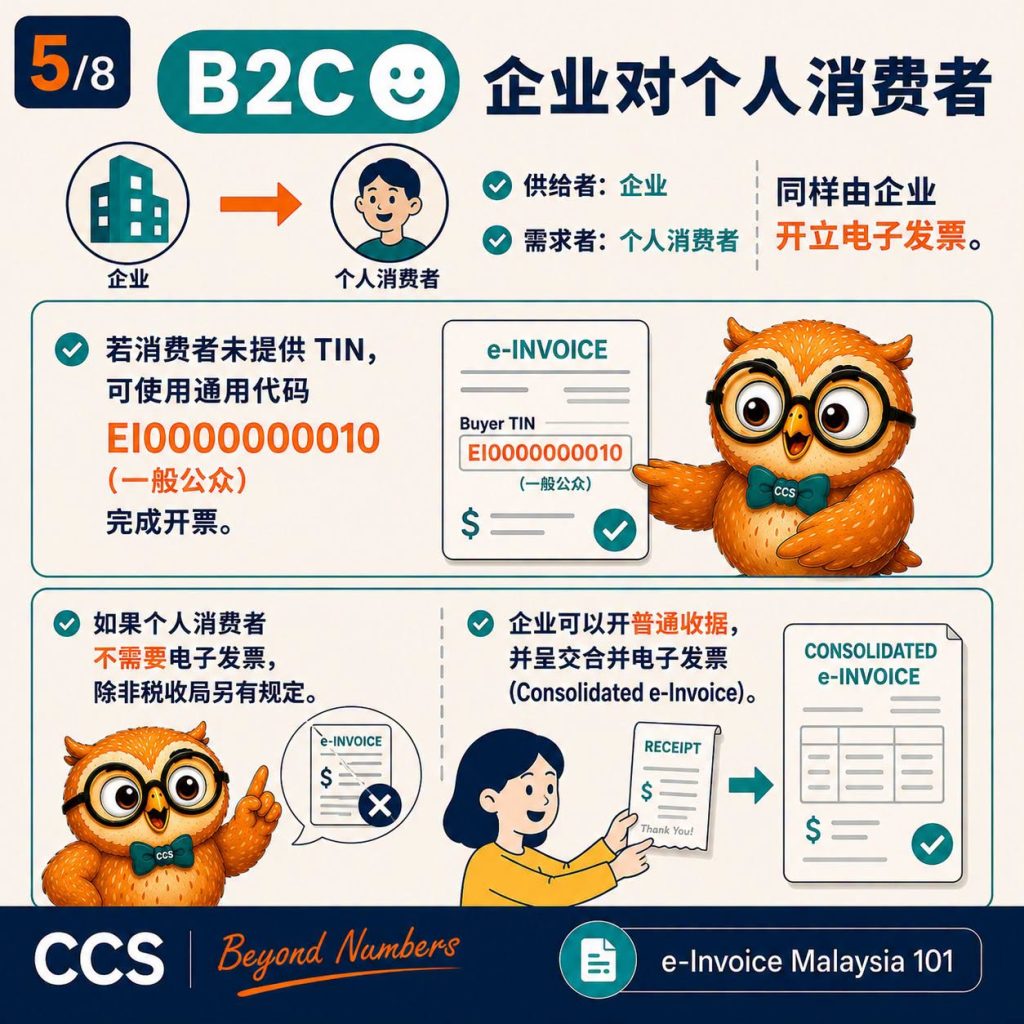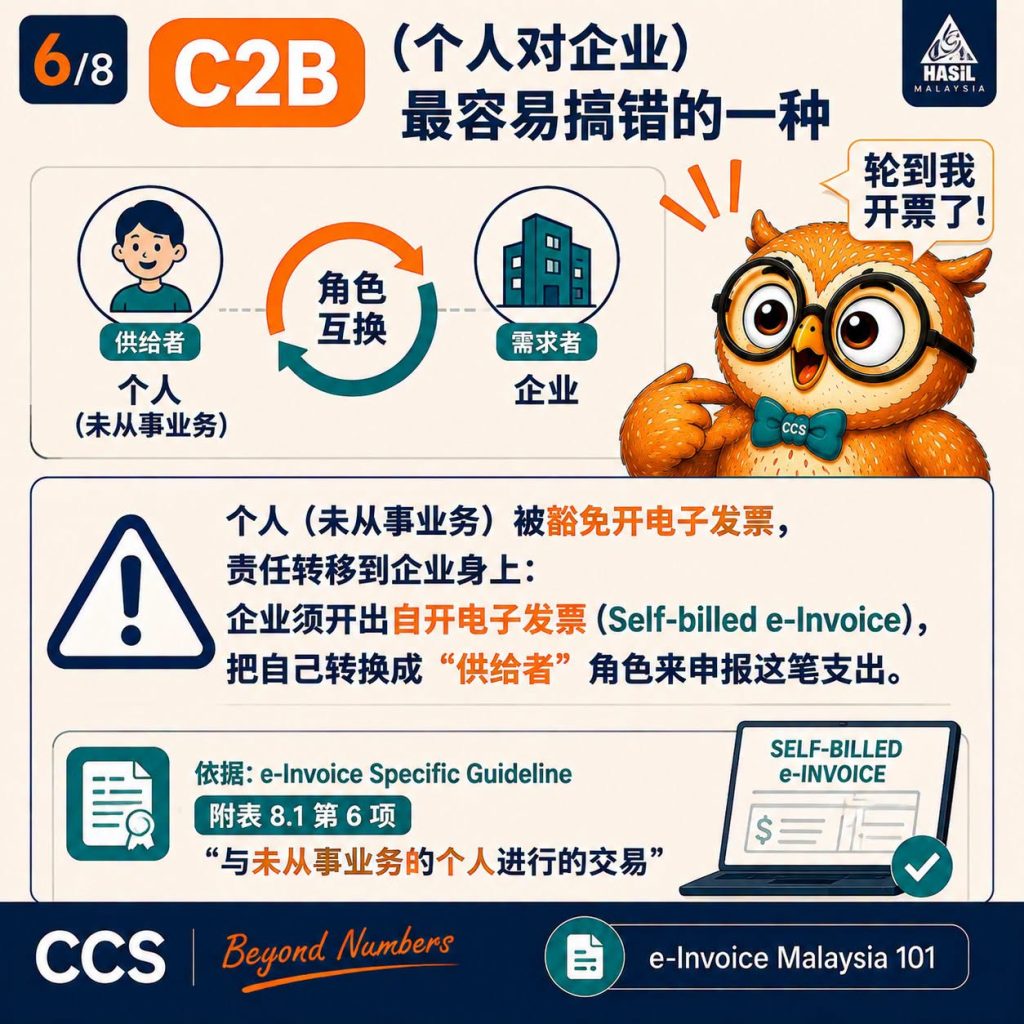
The e-Invoice responsibilities of businesses and individuals depend on the type of transaction. The four common models are B2B, C2C, B2C and C2B.
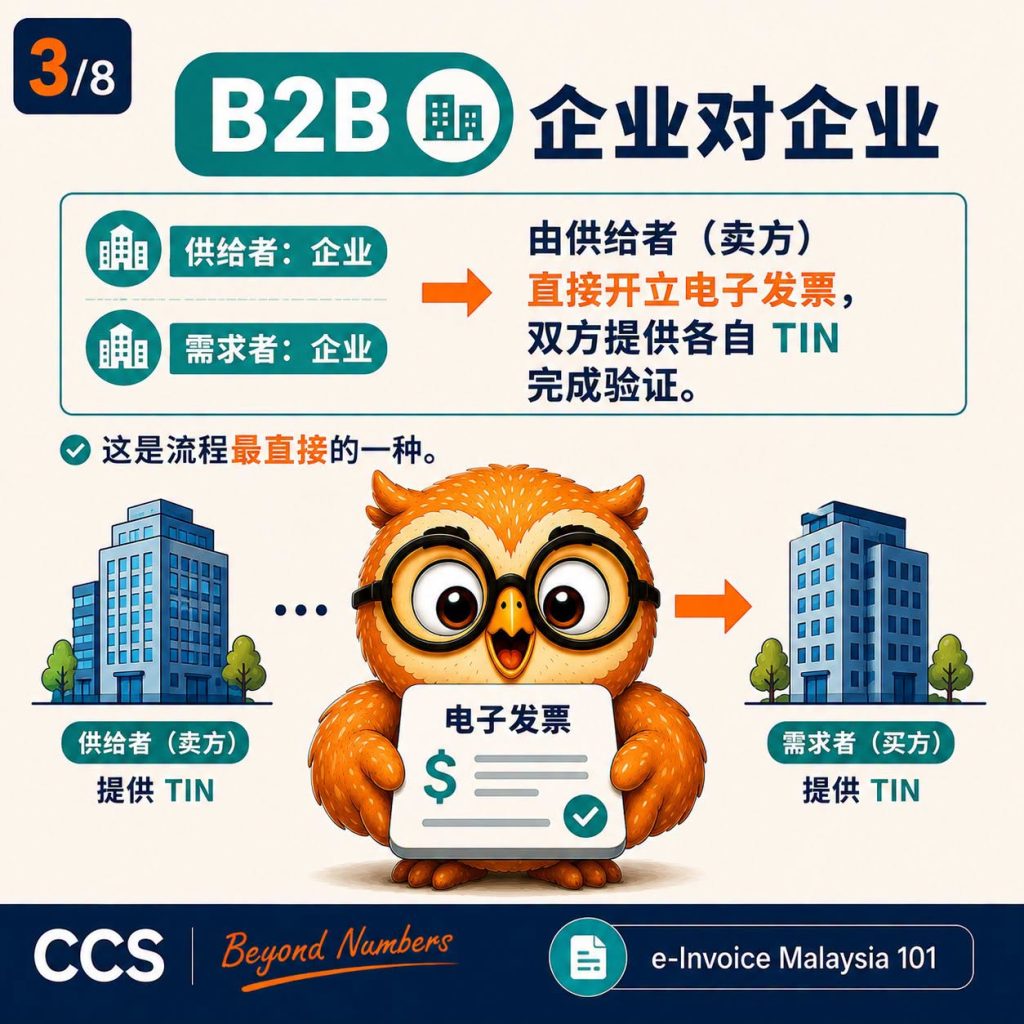
- B2B (Business to Business): The business supplier issues the e-Invoice.
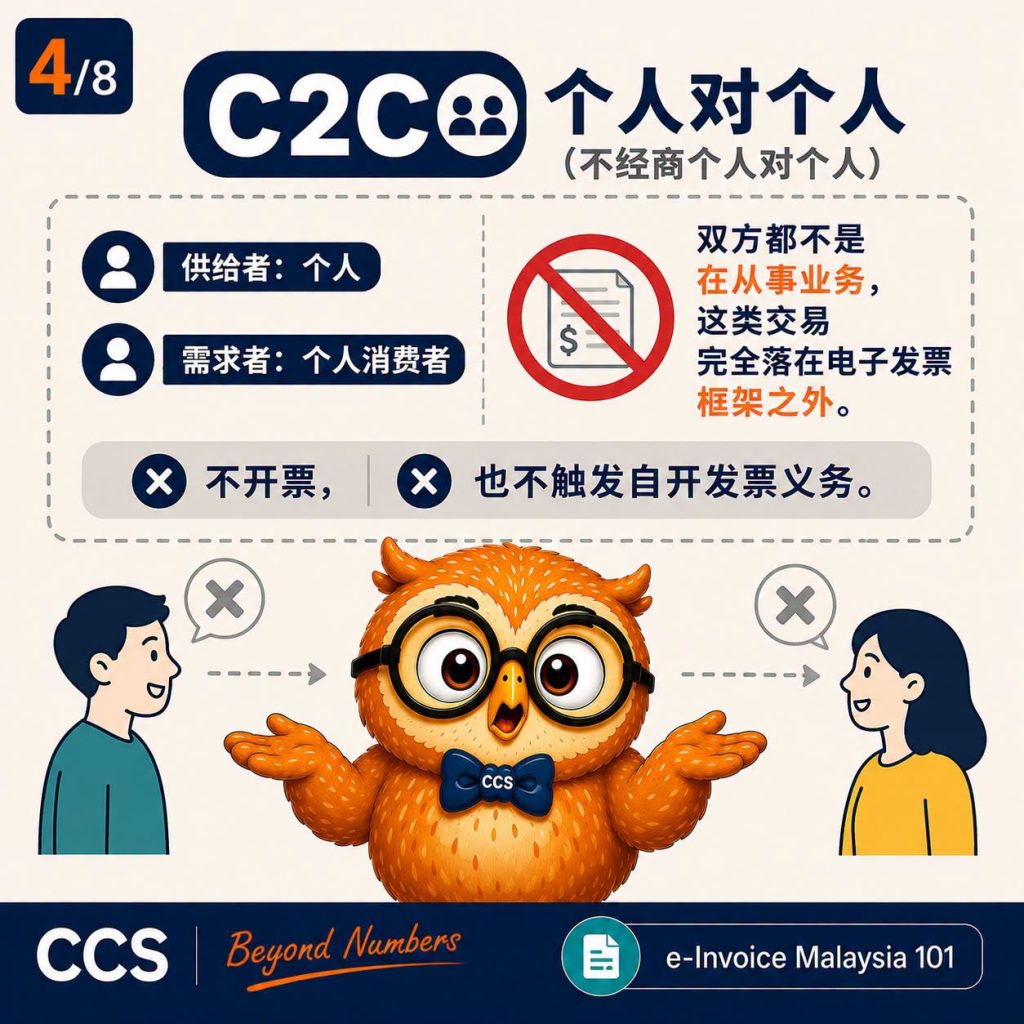
- C2C (Consumer to Consumer): A transaction between individuals; no e-Invoice is required.
- B2C (Business to Consumer): The business supplier issues the e-Invoice to the individual consumer.
- C2B (Consumer to Business): The individual is exempt from issuing an e-Invoice. Instead, the business issues a self-billed e-Invoice.
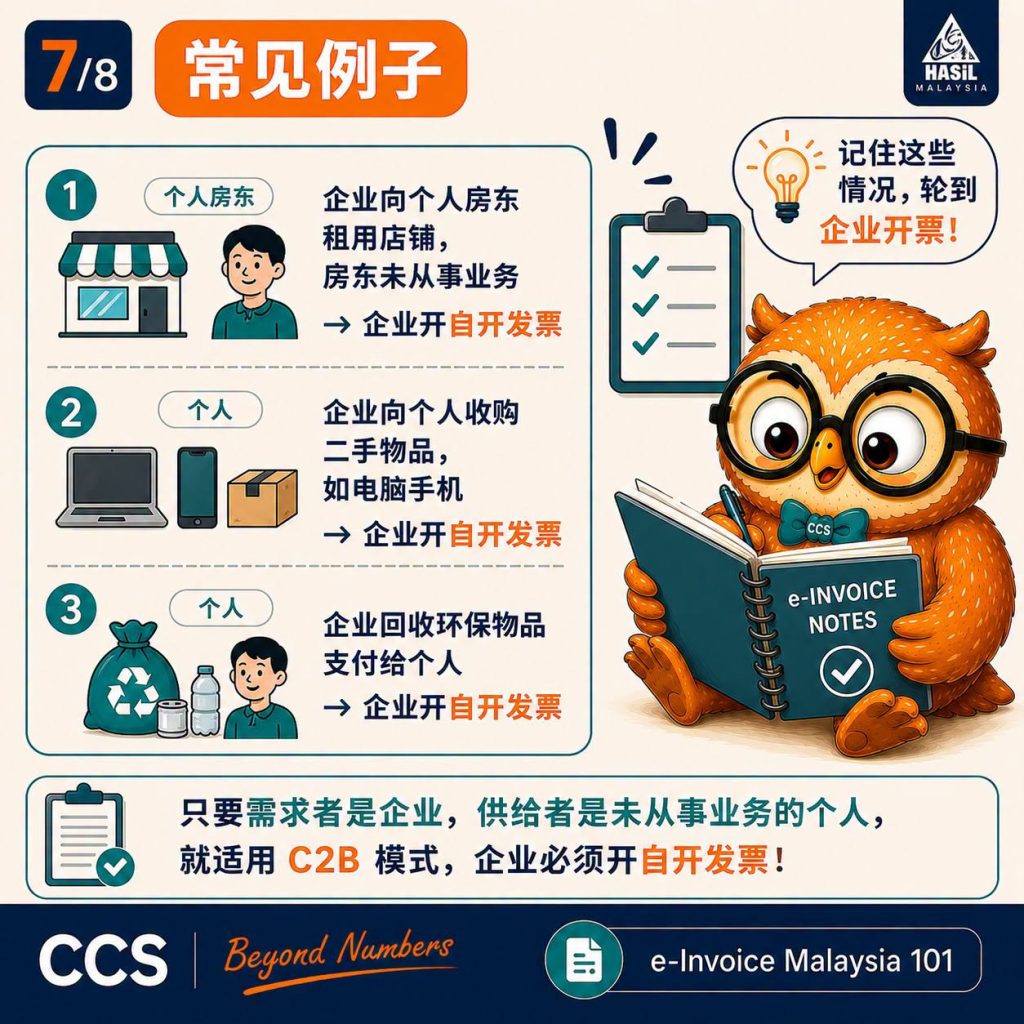
C2B transactions are often misunderstood. Examples include a business renting premises from an individual landlord, buying second-hand goods from an individual, or paying interest to an individual. In these situations, the business may need to issue a self-billed e-Invoice rather than wait for the individual to provide one.
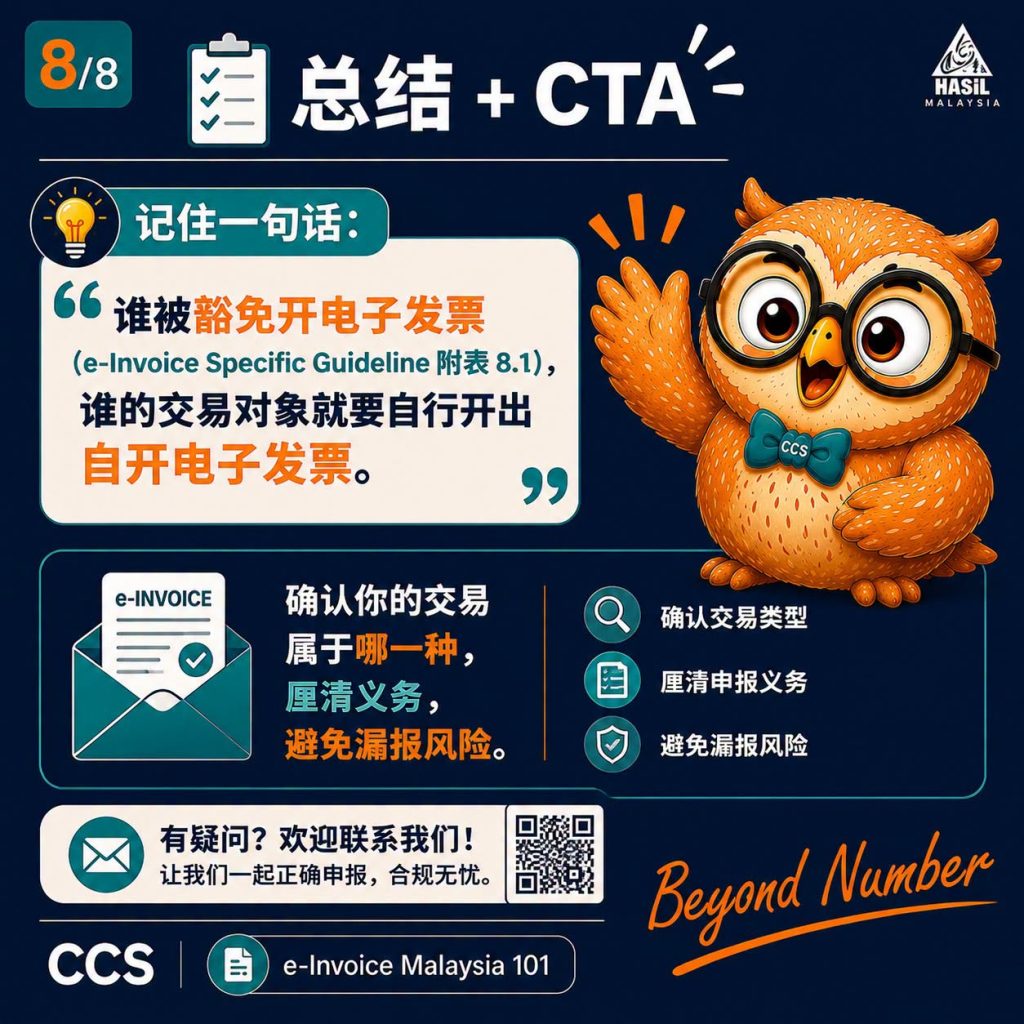
Identifying the transaction type helps businesses understand who is responsible for issuing the e-Invoice and reduces the risk of missing a reporting obligation.
四种商业模式的 e-Invoice 义务:B2B、C2C、B2C与C2B
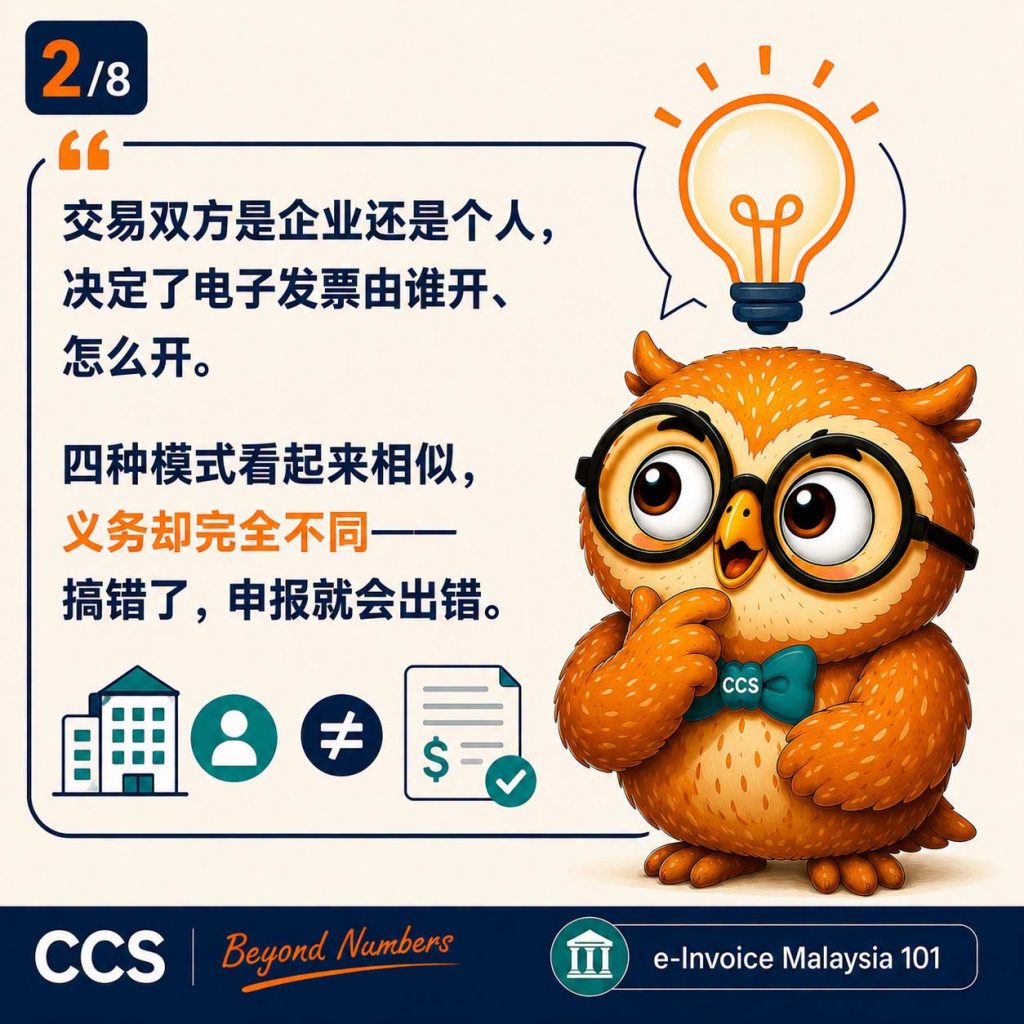
企业和个人在不同交易模式下承担的 e-Invoice 责任各不相同。常见的四种模式是B2B、C2C、B2C和C2B。
- B2B(企业对企业):由企业供应商开具 e-Invoice。
- C2C(个人对个人):个人之间的交易,无需开具 e-Invoice。
- B2C(企业对消费者):由企业供应商向个人消费者开具 e-Invoice。
- C2B(个人对企业):个人获豁免开具 e-Invoice;改由企业开具自开电子发票(Self-Billed e-Invoice)。
C2B交易最容易被误解。例如,企业向个人房东租赁店铺、向个人购买二手货,或向个人支付利息。在这些情况下,企业可能需要自行开具自开电子发票,而不是等个人提供发票。
厘清交易属于哪种模式,有助企业确认由谁负责开具 e-Invoice,降低遗漏申报义务的风险。