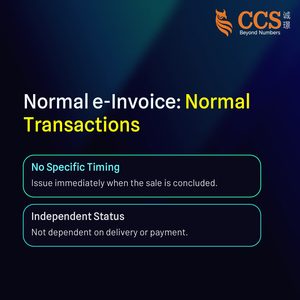
Understanding when an e-Invoice must be issued is important for managing compliance. However, there is no universal rule requiring every e-Invoice to be issued on the same day as the transaction. HASiL’s General FAQs state that, except for specific cases, issuance timing follows the taxpayer’s current invoicing practices and arrangements. HASiL General FAQs
Consolidated e-Invoices
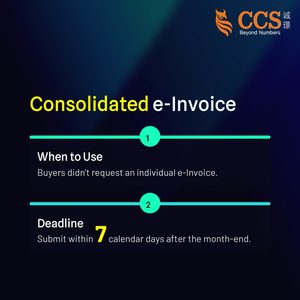
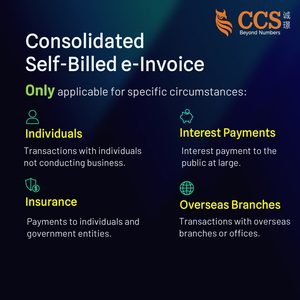
Where a buyer does not request an individual e-Invoice, a supplier may generally issue a consolidated e-Invoice for eligible transactions. This can apply to B2B, B2C and B2G transactions, subject to the activities and transactions that are not permitted to be consolidated under HASiL’s Specific Guideline.
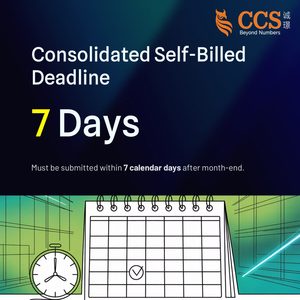
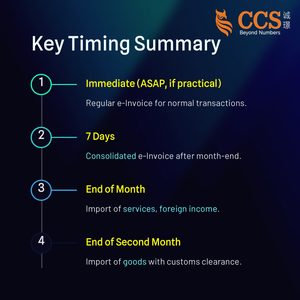
The consolidated e-Invoice must be submitted within seven calendar days after the end of the month. For example, eligible January transactions should be included in a consolidated e-Invoice submitted by 7 February. HASiL General FAQs
Construction progress claims
For progress claims relating to the construction of a property, the timing depends on whether certification of work done is required. If certification is not required, the contractor must issue an e-Invoice for the progress claim. If certification is required, the e-Invoice may be issued upon obtaining the certificate. HASiL Construction Industry FAQs
Imported goods and services
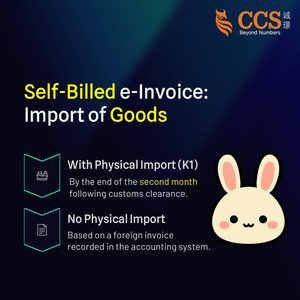
For imported goods, the Malaysian purchaser must issue a self-billed e-Invoice no later than the end of the second month following the month in which customs clearance is obtained. For example, if goods clear customs in January, the deadline is 31 March.
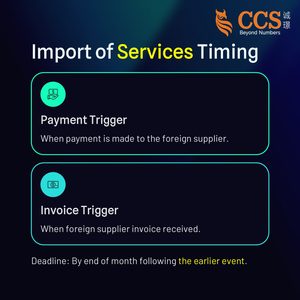
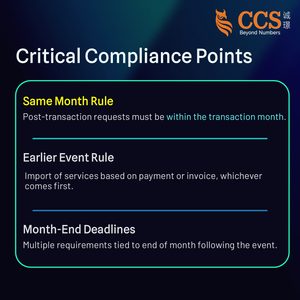
For imported services, the self-billed e-Invoice must be issued by the end of the month following the month in which the earlier of these events occurs: payment to the foreign supplier or receipt of the supplier’s invoice. The timing is determined in accordance with the prevailing rules for imported taxable services. For example, if payment is made on 15 March and the supplier’s invoice is received on 5 April, the deadline is 30 April. HASiL General FAQs HASiL e-Invoice Specific Guideline
Exports and foreign income
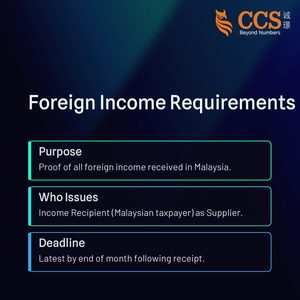
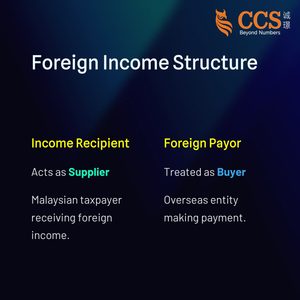
For exported goods, Malaysian suppliers should issue e-Invoices according to their current invoicing arrangements. Where available, the Customs Form No. 2 reference may be included, but the field is optional. This is distinct from foreign income received in Malaysia: an e-Invoice for such income must be issued by the end of the month following the month of receipt. HASiL General FAQs HASiL e-Invoice Specific Guideline
Other transactions and the 72-hour period
Businesses that pay commissions or other incentives to agents, dealers or distributors are required to issue a self-billed e-Invoice for those payments under the applicable rules. Domestic profit distributions, including dividends, have separate requirements and exemptions; they should not be treated as universally exempt or assigned the same timing rule as other payments. Interest, rental and royalty transactions may also be subject to transaction-specific requirements and exceptions. HASiL e-Invoice Specific Guideline
The 72-hour period is not a general deadline for issuing an e-Invoice. It is the period within which a supplier may cancel a validated e-Invoice or a buyer may request its rejection. After that period, adjustments are generally made using a credit note, debit note or refund note e-Invoice. HASiL e-Invoice Guideline
The practical starting point is to follow existing invoicing arrangements for ordinary transactions and identify whether a specific deadline applies. Particular care is needed for consolidated e-Invoices, progress claims, imports and foreign income.
马来西亚电子发票开具时限:主要期限与交易规则
了解电子发票应在何时开具,对企业管理合规至关重要。不过,并非所有交易都适用“交易当天必须开具”的统一规定。HASiL 的一般常见问题指出,除特定情况外,电子发票的开具时间应遵循纳税人现有的开票惯例与安排。HASiL 一般常见问题
合并电子发票
若买方没有要求开具个别电子发票,供应商一般可为符合条件的交易开具合并电子发票。此安排可适用于企业对企业(B2B)、企业对消费者(B2C)及企业对政府(B2G)交易,但 HASiL《电子发票专门指南》列明不得合并的活动或交易除外。
合并电子发票须在月末后的七个日历日内提交。例如,符合条件的一月份交易须在2月7日前纳入合并电子发票并提交。HASiL 一般常见问题
建筑工程进度索款
涉及房产建筑工程的进度索款,其开票时间取决于是否需要对已完成的工程进行认证。如果不需要认证,承包商须就进度索款开具电子发票;如果需要认证,则可在取得工程认证后开具电子发票。HASiL 建筑业常见问题
进口货物与服务
进口货物方面,马来西亚买方须最迟在取得海关清关月份之后的第二个月月底前开具自开电子发票。例如,货物在一月份完成清关,截止日期为3月31日。
进口服务方面,须在以下两个事件中较早发生月份的次月底前开具自开电子发票:向外国供应商付款,或收到外国供应商的发票。具体时点应按照进口应税服务的现行规定确定。例如,若3月15日付款,而供应商发票于4月5日收到,截止日期为4月30日。HASiL 一般常见问题 HASiL 电子发票专门指南
出口交易与外国收入
对于出口货物,马来西亚供应商应依照现有开票安排开具电子发票。如有海关表格第2号(Customs Form No. 2)资料,可填写相关编号,但该栏位目前属于选填。出口货物与在马来西亚收到的外国收入属于不同情形:外国收入须在收到款项月份的次月底前开具电子发票。HASiL 一般常见问题 HASiL 电子发票专门指南
其他交易与72小时期限
企业向代理人、经销商或分销商支付佣金或其他奖励时,须根据适用规定开具自开电子发票。国内利润分配(包括股息)另有特定规定与豁免,不应一概视为豁免,也不应套用其他付款类别的统一时限。利息、租金和特许权使用费等交易也可能适用各自的规定与例外。HASiL 电子发票专门指南
72小时并不是一般的电子发票开具期限,而是已验证电子发票的取消期限,以及买方提出拒绝请求的期限。超过该期限后,通常须通过贷项通知单、借项通知单或退款通知单电子发票进行调整。HASiL 电子发票指南
企业处理一般交易时,可先遵循现有开票安排,并确认是否有特定期限适用。合并电子发票、进度索款、进口交易及外国收入尤其需要留意相关时限。