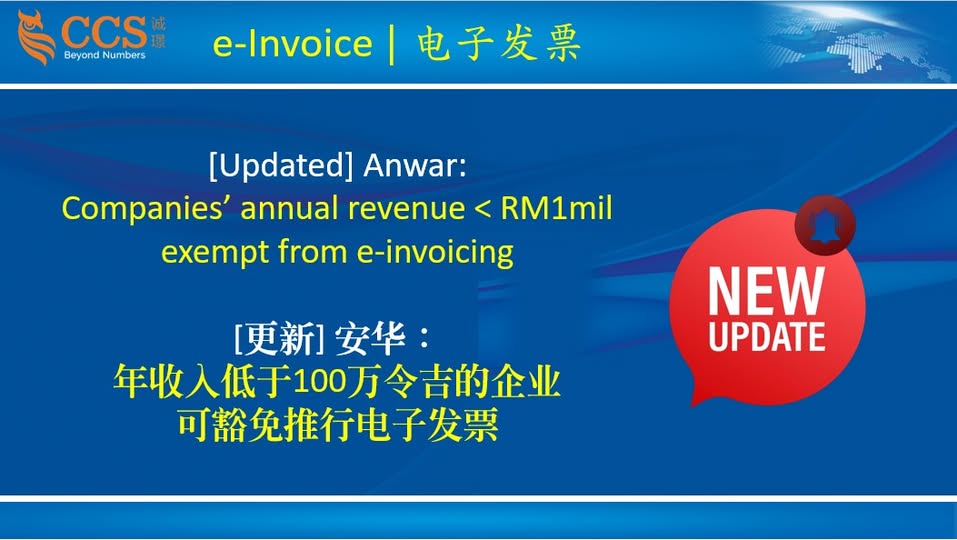
What may appear to be good news can still bring mixed feelings to business owners close to the threshold or struggling with rising costs. The debate began when Prime Minister Datuk Seri Anwar Ibrahim announced that, following a Cabinet meeting, businesses with annual revenue below RM1 million would be exempt from e-Invoicing. Previously, the exemption threshold was RM500,000. The threshold has since been raised to RM3 million, effective 1 September 2026.
For some business owners, relief from one requirement does not erase the pressures they face every day. They may feel that costs keep rising: rent increases, raw materials become more expensive, and employee wages go up. When businesses are also asked to meet new administrative requirements, the combined burden can feel exhausting.
This does not mean that business owners oppose the country’s progress or digitalisation. Many are simply finding it increasingly difficult to keep up with the demands of running a business while managing higher costs and new obligations, including requirements relating to SOCSO.
The e-Invoice exemption offers relief to eligible businesses, but the broader concern remains: how can businesses continue to adapt and grow when operating costs and compliance demands keep increasing?
电子发票豁免与马来西亚企业面对的经营压力
看似是好消息,对于正处于门槛边缘或承受成本上涨压力的企业来说,感受可能并不单一。这场讨论始于首相拿督斯里安华宣布,内阁会议后决定豁免年营业额低于 RM1 million 的企业实施电子发票。此前的豁免门槛为 RM500,000。此后,豁免门槛已提高至 RM3 million,并自2026年9月1日起生效。
对一些商家而言,豁免一项要求,并不代表日常经营压力就此消失。租金上涨、原材料变贵、员工薪资增加,这些成本持续累积。若同时还要应对新的行政要求,整体负担难免让人感到疲惫。
这并不代表商家不支持国家进步或数码化。许多企业只是越来越难以兼顾经营、上涨的成本,以及新的合规义务,包括与 SOCSO 相关的要求。
电子发票豁免为符合条件的企业减轻了一部分负担,但更广泛的疑问仍然存在:当营运成本与合规要求不断增加,企业该如何继续适应并发展?