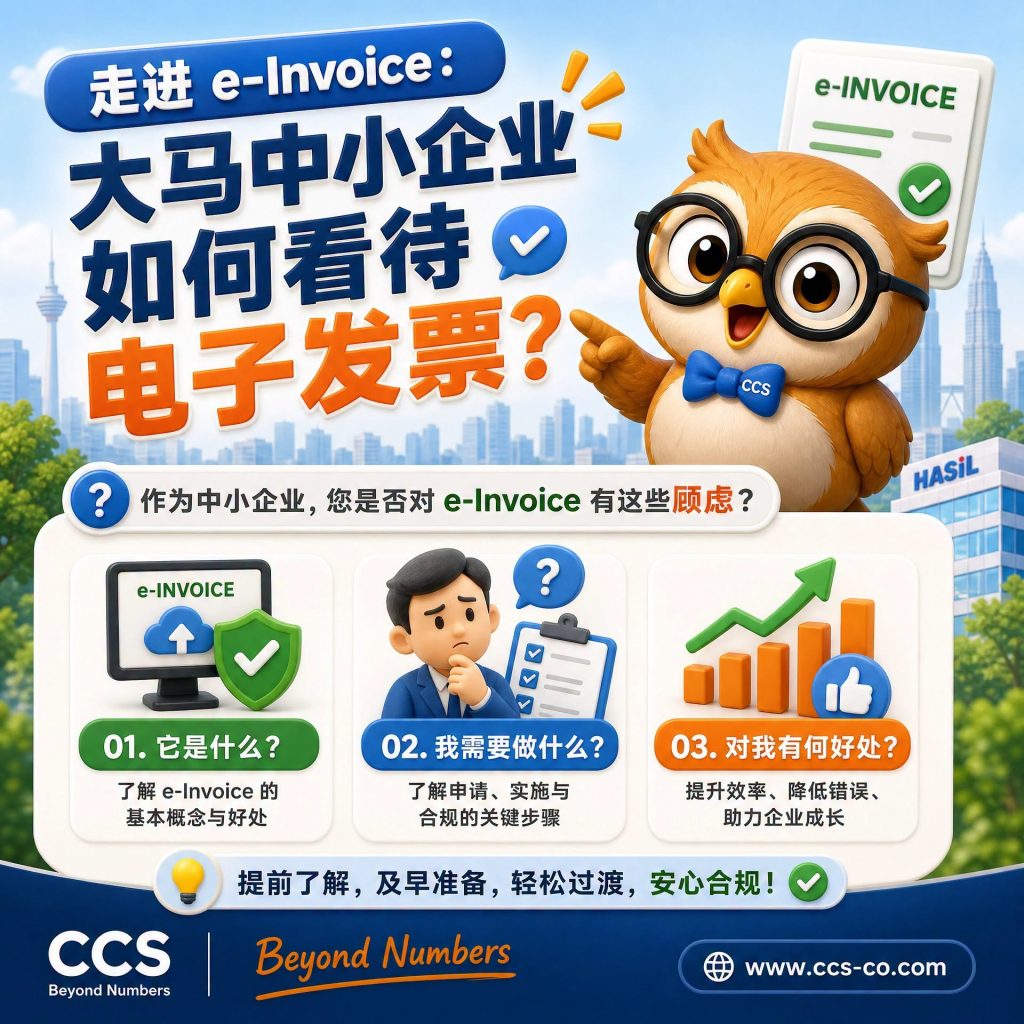
As Malaysia advances its e-Invoice policy, small and medium-sized enterprises (SMEs) are navigating a pivotal stage in their digital transformation.
e-Invoicing is more than a tax compliance requirement. It may also create opportunities for businesses to improve operational efficiency and reduce the costs associated with paper-based records. But what factors influence business owners’ willingness to adopt it?
A study published in the International Journal of Accounting and Economics Studies applies an extended version of the Unified Theory of Acceptance and Use of Technology 2 (UTAUT2) to examine Malaysian SME owners’ behavioural intention to adopt e-Invoicing.
What Is UTAUT2?
UTAUT2 is a framework for studying how people adopt and use technology. The study extends the framework to a business digitalisation and e-government context. It examines core factors such as performance expectancy, effort expectancy, social influence and facilitating conditions, alongside additional factors including trust, security and perceived risk.
The findings offer insight into how Malaysian SMEs may respond to e-Invoicing:
| Research dimension | Focus | Finding and implication |
|---|---|---|
| Social influence | Peer expectations, industry associations and regulatory guidance | The strongest positive driver identified. Business owners may be influenced by their wider business environment and policy direction. |
| Security and risk | Concerns about data breaches and system reliability | A significant negative influence. Concerns about cybersecurity and system stability may make businesses hesitant to adopt e-Invoicing. |
| Performance and effort expectancy | Potential efficiency gains and ease of use | Important considerations, although they may not be decisive differentiators in a policy-driven adoption context. |
| Facilitating conditions and trust | Software, hardware and support, and confidence in the system | A foundation for supporting businesses through digital transformation. |
Three Key Findings
1. Social influence can encourage adoption
The study found that social influence was the strongest positive factor affecting SME owners’ intention to adopt e-Invoicing.
When business peers and partners begin preparing for e-Invoicing, and guidance from the Inland Revenue Board of Malaysia (LHDN), industry associations and professionals is available, business owners may develop a stronger sense that they need to keep pace. Peer influence, combined with policy direction, can encourage businesses to take the first step.
2. Security concerns can be a significant barrier
In contrast, security concerns and perceived risk had a significant negative effect on adoption intention.
SMEs may not have the dedicated IT security resources available to larger organisations. As a result, they may be concerned about the exposure of sensitive financial data, system failures or potential technical vulnerabilities. Building confidence in the security and reliability of government and third-party systems is therefore important in addressing these concerns.
3. Performance and convenience matter, alongside support
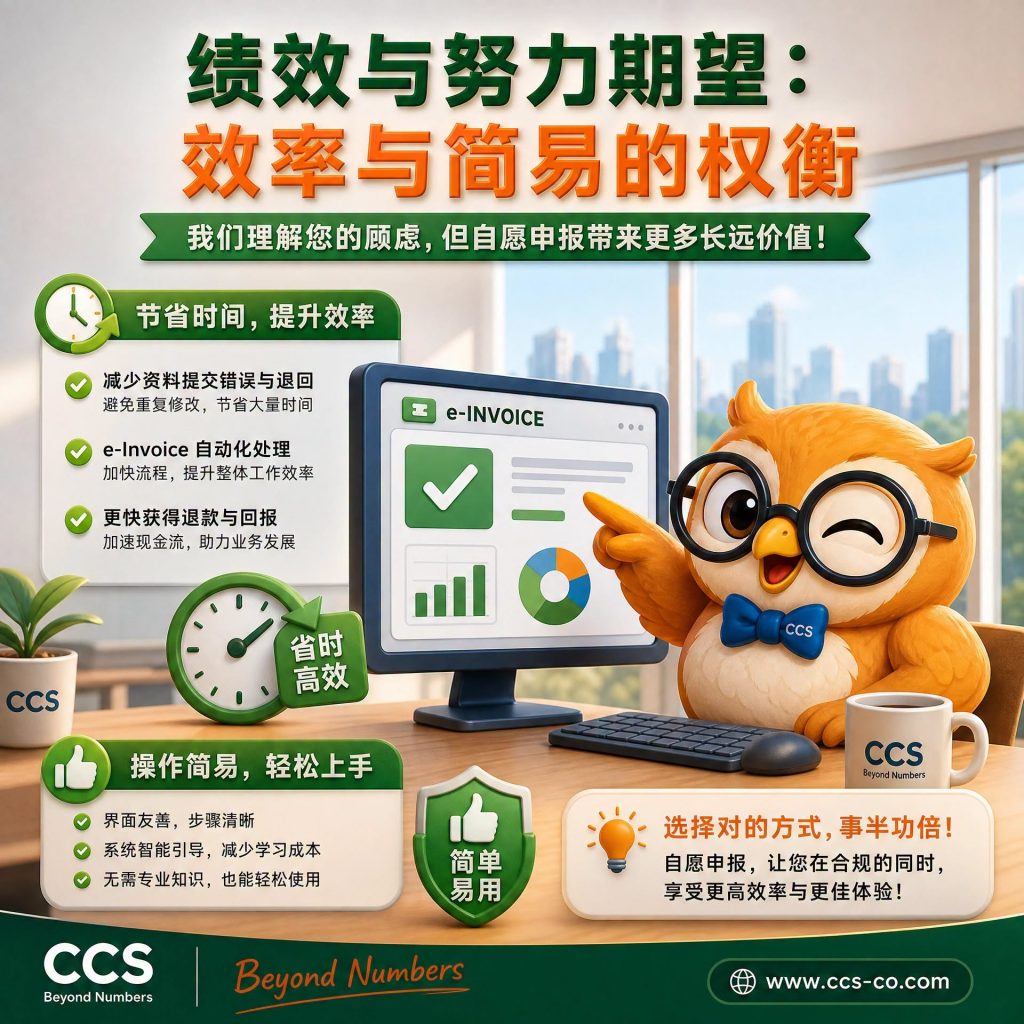
Performance expectancy and effort expectancy are among the factors considered in the study. Its findings suggest that, in the context of a national digital policy, Malaysian SMEs may also focus on compliance requirements and longer-term efficiency.
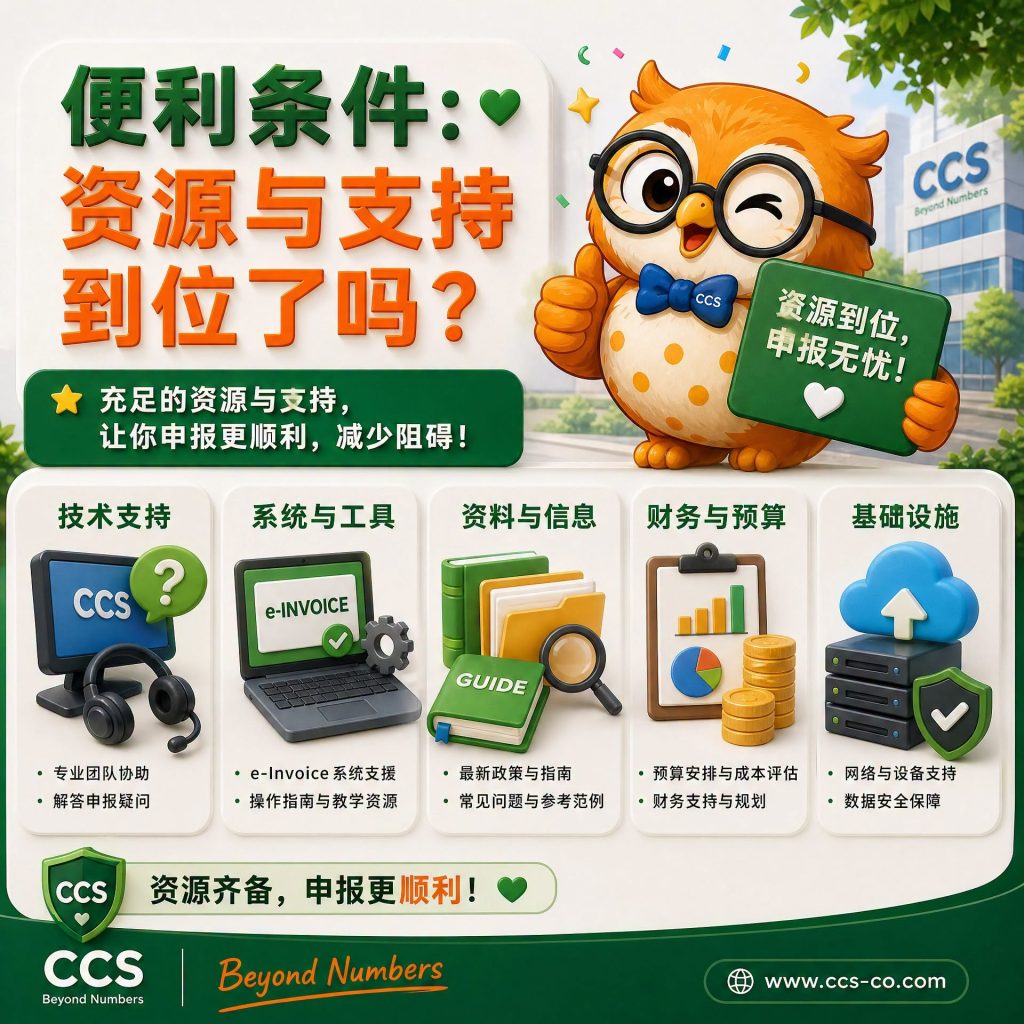
Facilitating conditions—such as clear government guidance, suitable software and technical support—can help reduce the difficulties businesses may encounter during the transition.
Implications for Businesses and Policymakers
The findings point to several practical considerations for businesses, professional advisers and software providers:
- Build trust and confidence: Software developers and relevant organisations can strengthen data protection and system security, and communicate compliance safeguards clearly.
- Use peer examples: Sharing practical experiences from businesses that have adopted e-Invoicing may help others understand the transition and its benefits.
- Provide accessible support: Clear guidance, user-friendly processes, technical training and responsive customer support can help SMEs navigate implementation.
Conclusion
The adoption of e-Invoicing involves more than a technological upgrade; it can also influence how businesses manage their operations and records.
In keeping with CCS’s “Beyond Numbers” approach, understanding the practical concerns and perspectives of business owners is important to supporting effective compliance and a more positive digital transition.
References
Ilias, A., Baidi, N., Ghani, E. K., & Mohammad, K. (2026). “Understanding Behavioural Intention to Adopt E-Invoicing in The Case of Malaysia Small and Medium Enterprises (SMEs): A UTAUT2.” International Journal of Accounting and Economics Studies, 13(1), 56–67.
Venkatesh, V., Thong, J. Y., & Xu, X. (2012). “Consumer acceptance and use of information technology: Extending the unified theory of acceptance and use of technology.” MIS Quarterly, 36(1), 157–178.
深度解析:马来西亚中小企业如何看待 e-Invoice?UTAUT2研究带来的启示
随着马来西亚持续推进 e-Invoice 政策,中小型企业(SME)正处于数码转型的重要阶段。
e-Invoice 不仅是一项税务合规要求,也可能为企业提升营运效率、降低纸本记录成本带来机会。然而,哪些因素会影响企业主采纳 e-Invoice 的意愿?
近期发表于《International Journal of Accounting and Economics Studies》的一项研究,运用扩展版的技术接受和使用统一理论2(UTAUT2),探讨马来西亚中小企业主采纳 e-Invoice 的行为意愿。
什么是UTAUT2?
UTAUT2是用于研究人们如何采纳及使用科技的理论框架。该研究将此框架延伸至企业数码化及电子政务的情境,分析绩效期望、努力期望、社会影响及便利条件等核心因素,并纳入信任、安全与感知风险等扩展因素。
研究结果有助了解马来西亚中小企业对 e-Invoice 的可能反应:
| 研究维度 | 关注重点 | 研究发现与启示 |
|---|---|---|
| 社会影响 | 同行期望、行业协会及监管指引 | 研究中最强的正向影响因素。企业主可能受到周边商业环境及政策方向影响。 |
| 安全与风险 | 对数据泄露及系统可靠性的担忧 | 显著的负向影响因素。对网络安全及系统稳定性的顾虑可能使企业对采纳 e-Invoice 犹豫不决。 |
| 绩效与努力期望 | 提升效率的可能性及操作是否简便 | 属于重要考量,但在政策推动的采纳情境中,未必是决定性的差异因素。 |
| 便利条件与信任 | 软硬件及相关支持,以及对系统的信心 | 为企业推动数码转型提供基础保障。 |
三项关键发现
一、社会影响有助推动采纳
研究发现,社会影响是影响中小企业主采纳 e-Invoice 意愿的最强正向因素。
当同行及商业伙伴开始准备实施 e-Invoice,同时马来西亚内陆税收局(LHDN)、行业协会及专业人士提供相关指引时,企业主可能更强烈地意识到需要跟上变化。同业影响与政策方向相结合,有助推动企业迈出第一步。
二、安全顾虑可能成为重要阻力
与社会影响的正向作用相反,安全顾虑及感知风险对采纳意愿产生显著的负向影响。
中小企业可能不像大型企业那样拥有专门的IT安全资源,因此会担心敏感财务资料外泄、系统故障或潜在技术漏洞。增强企业对政府系统及第三方软件安全性和可靠性的信心,是回应这些顾虑的重要一环。
三、效率与便利性重要,支持措施同样关键
研究考察了绩效期望及努力期望等因素。研究结果显示,在国家级数码政策推动的背景下,马来西亚中小企业也可能关注合规要求及长期效率。
便利条件——例如清晰的政府指引、适用的软件及技术支持——则有助减轻企业在转型过程中可能遇到的困难。
对企业与政策制定者的启示
研究结果为企业、专业顾问及软件供应商提供了几项实际参考:
- 建立信任与信心:软件开发商及相关机构可加强资料保护与系统安全,并清楚说明合规保障措施。
- 发挥同行示范作用:分享已采用 e-Invoice 的企业经验,有助其他企业了解转型过程及其效益。
- 提供易于获取的支持:清晰指引、易用流程、技术培训及及时的客户支持,有助中小企业顺利过渡。
结语
采纳 e-Invoice 不只是科技升级,也可能影响企业管理营运及记录的方式。
秉持CCS“Beyond Numbers”的理念,理解企业主的实际顾虑与想法,有助推动更有效的合规实践及更顺畅的数码转型。
参考资料
Ilias, A., Baidi, N., Ghani, E. K., & Mohammad, K. (2026). “Understanding Behavioural Intention to Adopt E-Invoicing in The Case of Malaysia Small and Medium Enterprises (SMEs): A UTAUT2.” International Journal of Accounting and Economics Studies, 13(1), 56–67.
Venkatesh, V., Thong, J. Y., & Xu, X. (2012). “Consumer acceptance and use of information technology: Extending the unified theory of acceptance and use of technology.” MIS Quarterly, 36(1), 157–178.