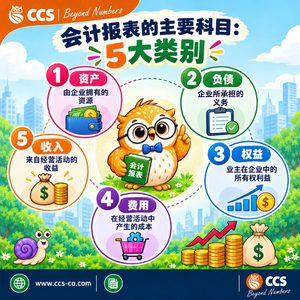
Understanding the five main categories of accounting accounts is one of the first steps towards reading financial statements.
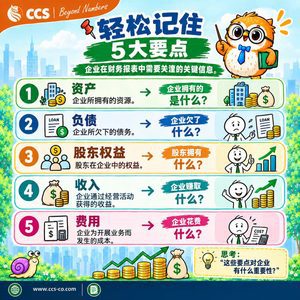
A simple way to remember them is to ask five questions:
- What does the company have?
- What does the company owe?
- What remains for the owner?
- What does the company earn?
- What does the company spend?
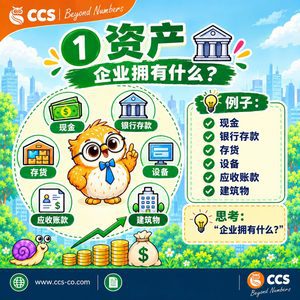
1. Assets: What Does the Company Have?
Assets are resources controlled by the company.
Examples include:
- Cash;
- Inventory;
- Equipment;
- Property; and
- Buildings.
In simple terms:
Assets = What the company has or controls.
The relevant asset belongs to the company, not necessarily to the owner personally.
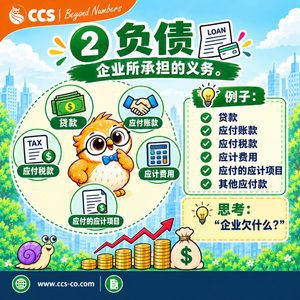
2. Liabilities: What Does the Company Owe?
Liabilities are obligations that the company must settle with another party.
Examples include:
- Bank loans;
- Trade payables; and
- Tax payable.
In simple terms:
Liabilities = What the company owes.
Whenever debt appears in the accounts, the company should understand the repayment obligations and the impact on cash flow.
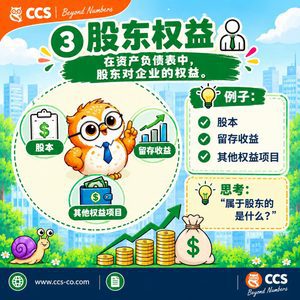
3. Equity: What Remains for the Owner?
Equity represents the residual interest in the company after liabilities are deducted from assets.
The basic relationship is:
Assets − Liabilities = Equity
In simple terms:
Equity = The residual interest attributable to the owner.
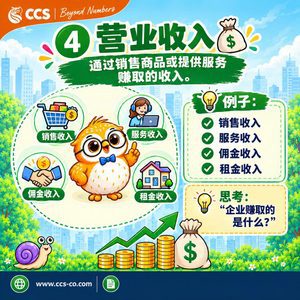
4. Revenue: What Does the Company Earn?
Revenue is income generated from the company’s ordinary business activities.
Examples include:
- Sales of goods;
- Service income;
- Commission income; and
- Rental income.
In simple terms:
Revenue = What the company earns.
Revenue is important, but it should not be confused with cash collected or profit.
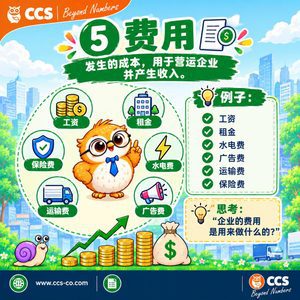
5. Expenses: What Does the Company Spend?
Expenses are resources consumed in operating the business or generating revenue.
Examples include:
- Salaries;
- Rent;
- Utilities;
- Advertising;
- Transport; and
- Insurance.
In simple terms:
Expenses = What the company uses or spends in running the business.
A business may generate revenue, but excessive expenses can reduce the profit that ultimately remains.
The Five-Question Memory Rule
| Category | Simple Question |
|---|---|
| Assets | What do I have? |
| Liabilities | What do I owe? |
| Equity | What remains for the owner? |
| Revenue | What do I earn? |
| Expenses | What do I spend? |
Accounting becomes easier once these five categories are understood.
Assets: What do I have?
Liabilities: What do I owe?
Equity: What remains for the owner?
Revenue: What do I earn?
Expenses: What do I spend?
Understanding these categories will make financial statements much less intimidating and more useful for business decision-making.
CCS | Beyond Numbers
会计科目的五大类别
了解会计科目的五大类别,是学习阅读财务报表的第一步。
可以先记住五个简单问题:
- 公司有什么?
- 公司欠什么?
- 老板还剩什么?
- 公司赚什么?
- 公司花什么?
一、Assets|资产:公司有什么?
**资产(Assets)**是公司所拥有或控制的资源。
例子包括:
- 现金;
- 存货;
- 设备;
- 房产;以及
- 建筑物。
简单来说:
资产 = 公司拥有或控制的东西。
这里所说的资产是属于公司,不一定是老板个人的财产。
二、Liabilities|负债:公司欠什么?
**负债(Liabilities)**是公司需要向其他人或机构履行或偿还的义务。
例子包括:
- 银行贷款;
- 应付账款;以及
- 应付税款。
简单来说:
负债 = 公司欠别人的东西。
当账目中出现 Debt 时,公司也应该了解相关偿还义务,以及这些负债会如何影响现金流。
三、Equity|权益:老板还剩什么?
**权益(Equity)**代表公司资产扣除负债后,属于公司所有者的剩余权益。
基本关系是:
资产 − 负债 = 权益
简单来说:
权益 = 扣除负债后,属于老板或股东的剩余部分。
四、Revenue|收入:公司赚什么?
**收入(Revenue)**是公司通过日常经营活动赚取的经济利益。
例子包括:
- 销售商品;
- 提供服务;
- 赚取佣金;以及
- 租金收入。
简单来说:
收入 = 公司赚到的东西。
不过,收入不等于已经收回的现金,也不等于最终利润。
五、Expenses|费用:公司花什么?
**费用(Expenses)**是公司在经营或赚取收入的过程中所消耗的资源。
例子包括:
- 薪金;
- 租金;
- 水电费;
- 广告费;
- 运输费;以及
- 保险费。
简单来说:
费用 = 公司经营时花掉或消耗的资源。
公司即使有收入,如果费用过高,最后留下的利润仍然可能很少。
五大类别记忆表
| 类别 | 简单问题 |
|---|---|
| 资产(Assets) | 我有什么? |
| 负债(Liabilities) | 我欠什么? |
| 权益(Equity) | 老板还剩什么? |
| 收入(Revenue) | 我赚什么? |
| 费用(Expenses) | 我花什么? |
只要搞懂这五个类别,会计就不会那么难。
资产:我有什么?
负债:我欠什么?
权益:老板剩什么?
收入:我赚什么?
费用:我花什么?
掌握这些基本类别后,阅读财务报表时就不会再像看天书,也能更有效地运用财务资料作出经营决定。
CCS | Beyond Numbers