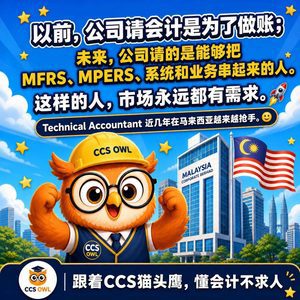
Technical Accountants have become increasingly sought after in Malaysia in recent years.
However, one point should first be clarified: “Technical Accountant” is not a formal position defined by MIA, ACCA or the Companies Act 2016. It is an industry term commonly used by Big Four firms, listed companies and multinational corporations to describe a particular type of accounting professional.
What Is a Technical Accountant?
In simple terms, a Technical Accountant does not focus only on recording transactions. The role involves researching accounting standards and applying them to the company’s transactions, policies, systems and reporting processes.
A conventional accounting question may be:
“Which account should be debited and credited for this invoice?”
A Technical Accountant may ask:
“Should this transaction be assessed under MFRS 15, MFRS 16 or MFRS 9?”
The two roles involve different areas of responsibility.
What Do Technical Accountants Do?
1. Research New and Existing MFRS Requirements
Technical Accountants study the impact of standards such as:
- MFRS 18;
- MFRS 19;
- MFRS 9;
- MFRS 15; and
- MFRS 16.
Their role is not simply to read a summary of a new standard. They need to assess how the requirements affect the company’s transactions, financial statements, systems, policies and disclosures.
2. Prepare Accounting Papers
For example, if a company receives a RM500 million government grant, a Technical Accountant may prepare an accounting paper covering:
- The issue;
- The relevant accounting standard;
- The analysis;
- The conclusion;
- The journal entry; and
- The disclosure requirements.
The paper may then be presented to the:
- Chief Financial Officer;
- External auditor; and
- Audit Committee
for discussion and review.
3. Develop Accounting Policies
Technical Accountants may be involved in developing policies such as:
- Revenue recognition policy;
- Lease accounting policy;
- Expected Credit Loss policy; and
- Borrowing cost policy.
These policies help ensure that accounting treatments are applied consistently throughout the organisation.
4. Support the Audit Process
When an auditor asks why a particular accounting treatment was adopted, the Technical Accountant explains the position by referring to the relevant requirements.
For example:
“This treatment is based on the relevant paragraphs of MFRS 15 and MFRS 121.”
The role involves more than quoting a paragraph. The Technical Accountant must connect the standard to the facts of the transaction and explain why the conclusion is appropriate.
5. Manage Group Reporting
A listed group may have 20 subsidiaries or more. A Technical Accountant may help establish:
- Reporting packages;
- Group charts of accounts;
- Accounting manuals; and
- Consolidation policies.
The aim is to ensure that information from different subsidiaries is prepared consistently and can be consolidated efficiently.
6. Support Finance Transformation
Technical Accountants may also work closely with IT and finance transformation teams on systems such as:
- SAP;
- Oracle;
- AutoCount; and
- Microsoft Dynamics.
They may advise on matters such as:
- How revenue should be mapped;
- How the general ledger should be mapped;
- How operating profit should be classified; and
- How accounting requirements should be reflected in the ERP system.
This is why Technical Accountants often participate in discussions with IT teams.
Where Are These Roles Found?
Technical accounting roles can be found in various parts of the Malaysian market.
Big Four firms may have teams operating under areas such as:
- Technical Accounting;
- Accounting Advisory;
- Capital Markets;
- Financial Reporting Advisory; and
- Accounting Consulting.
Listed companies and large corporate groups may also have departments or roles in:
- Group Financial Reporting;
- Technical Accounting; and
- Financial Reporting.
How Is the Role Different from an Auditor?
An auditor is primarily responsible for examining and evaluating the accounting and financial reporting of another entity.
A Technical Accountant is responsible for helping the company determine how its transactions should be accounted for and how the relevant requirements should be implemented.
In simple terms:
The auditor reviews the accounting. The Technical Accountant helps establish and implement the accounting position.
Many professionals who begin their careers as Big Four Audit Seniors or Audit Managers, or who work in technical departments, later move into listed companies as Technical Accounting Managers or similar roles.
Why Is the Role Becoming More Valuable?
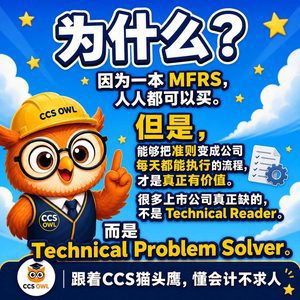
The difficult part is not merely knowing how to read an accounting standard.
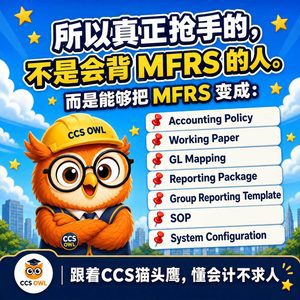
The real challenge is converting the standard into practical business tools, such as:
- Accounting policies;
- Standard operating procedures;
- Working papers;
- Reporting templates;
- General ledger mapping;
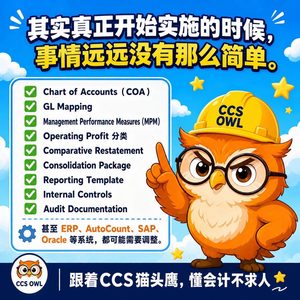
- ERP configuration;
- Internal controls; and
- Group reporting processes.
Professionals who can connect technical accounting requirements with systems, processes and business operations are relatively specialised.
The Impact of MFRS 18
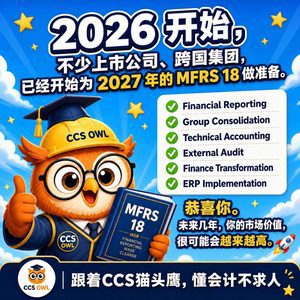
MFRS 18 is expected to increase the importance of technical accounting and financial reporting expertise.
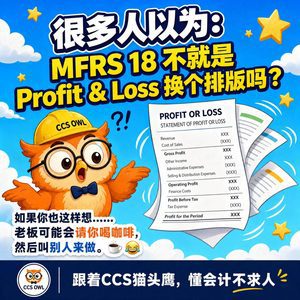
For example, matters that previously received less consistent attention, such as the classification and presentation of operating profit, may require companies to:
- Remap the profit or loss statement;
- Update ERP systems;
- Revise reporting packages; and
- Reconsider certain management performance measures and KPIs.
These projects involve more than routine bookkeeping. They require an understanding of accounting standards, reporting structures, systems and implementation.
The Emerging Career Path
In the past, companies may have focused on hiring:
- Bookkeepers for data entry and transaction recording; and
- Accountants for preparing accounts and financial statements.
Increasingly, companies also require:
- Technical Accountants who understand accounting standards; and
- Finance Transformation or Technical Accounting Specialists who can implement those requirements across the organisation.
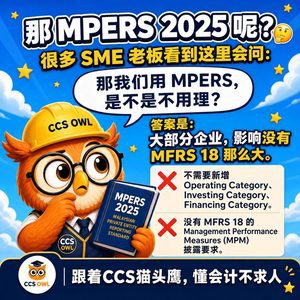
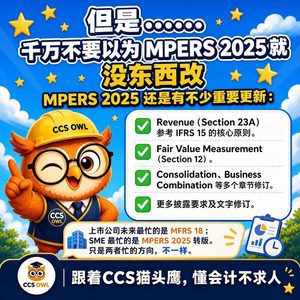
The next generation of specialists will need to understand MFRS, MPERS and tax, while also being able to translate technical requirements into:
- ERP configurations;
- General ledger mapping;
- Financial processes;
- Internal controls; and
- Group reporting structures.
They must also be able to communicate effectively with finance teams, IT departments, auditors and senior management, and help move projects from technical analysis to practical implementation.
With the introduction of MFRS 18, continuing updates to MFRS and the increasing adoption of ERP systems and digital transformation, demand for these skills is likely to remain strong.
The value of such roles may be particularly significant in listed companies, multinational corporations and large corporate groups.
CCS | Beyond Numbers
Technical Accountant:连接会计准则、财务系统与企业决策的专业角色
近几年,**Technical Accountant(技术会计师)**在马来西亚越来越受到企业重视。
不过,首先必须说明一点:
“Technical Accountant”并不是 MIA、ACCA 或《2016 年公司法令》所定义的正式职位。
它是业界常用的一个职位名称,尤其常见于 Big Four、上市公司及跨国企业,用来形容一类专门研究会计准则,并负责把准则落实到企业交易、政策、系统及财务报告中的会计专业人士。
什么是 Technical Accountant?
简单来说,Technical Accountant 不只是负责把交易记录进账簿,而是负责:
- 研究会计准则;
- 分析企业交易的会计处理;
- 制定会计政策;
- 解释财务报告要求;以及
- 把准则落实到流程、系统和报告中。
普通会计人员可能会问:
“这张 Invoice 应该 Debit 什么、Credit 什么?”
Technical Accountant 则可能会问:
“这项交易应该根据 MFRS 15、MFRS 16 还是 MFRS 9 处理?”
两者的工作重点并不相同。
Technical Accountant 平时负责什么?
一、研究新的及现有的 MFRS 要求
Technical Accountant 可能需要研究以下准则:
- MFRS 18;
- MFRS 19;
- MFRS 9;
- MFRS 15;以及
- MFRS 16。
他们的工作不只是阅读新准则的 Summary,而是要分析:
- 新准则对公司有什么影响;
- 哪些交易需要重新评估;
- 财务报表会如何改变;
- 现有会计政策是否需要更新;
- 系统是否需要调整;以及
- 披露内容是否需要增加或修改。
二、撰写 Accounting Paper
例如,公司收到 RM500 million 的政府补助(Government Grant),Technical Accountant 可能需要准备一份 Accounting Paper,内容包括:
- Issue;
- Relevant Standard;
- Analysis;
- Conclusion;
- Journal Entry;以及
- Disclosure。
这份 Accounting Paper 可能会提交给以下人士讨论及审核:
- Chief Financial Officer;
- External Auditor;以及
- Audit Committee。
Technical Accountant 不只是列出准则名称,还必须把准则与具体交易事实联系起来,说明为什么采用相关会计处理。
三、制定 Accounting Policy
Technical Accountant 可能参与制定以下会计政策:
- Revenue Recognition Policy;
- Lease Policy;
- Expected Credit Loss Policy;以及
- Borrowing Cost Policy。
这些政策有助于确保企业内部采用一致、清楚及可执行的会计处理。
四、协助 Audit
当 Auditor 问:
“为什么 Accounting 要这样处理?”
Technical Accountant 需要根据相关准则作出解释,例如:
“这个处理是根据 MFRS 15 及 MFRS 121 的相关段落。”
不过,Technical Accountant 的工作并不是单纯背诵 Paragraph Number,而是要说明:
- 交易事实是什么;
- 哪些会计要求适用;
- 为什么采用这个结论;以及
- 财务报表应该怎样列报和披露。
五、负责 Group Reporting
一家上市集团可能拥有 20 家或更多 Subsidiaries。
Technical Accountant 可能需要协助制定:
- Reporting Package;
- Group Chart of Accounts;
- Accounting Manual;以及
- Consolidation Policy。
这样可以确保不同子公司的财务资料按照一致的方式准备,并能更有效地进行集团合并。
六、参与 Finance Transformation
Technical Accountant 也可能与 IT 及 Finance Transformation 团队合作,处理以下系统:
- SAP;
- Oracle;
- AutoCount;以及
- Microsoft Dynamics。
他们可能需要协助决定:
- Revenue 应该怎样 Mapping;
- General Ledger 应该怎样 Mapping;
- Operating Profit 应该怎样分类;以及
- 会计准则要求应该如何落实到 ERP System。
这也是为什么 Technical Accountant 经常需要与 IT 团队开会。
哪些公司最常见?
Technical Accounting 相关职位在马来西亚不同类型的企业中都可以找到。
Big Four 通常会设有以下相关部门或服务领域:
- Technical Accounting;
- Accounting Advisory;
- Capital Markets;
- Financial Reporting Advisory;以及
- Accounting Consulting。
上市公司及大型集团则可能设有:
- Group Financial Reporting;
- Technical Accounting;以及
- Financial Reporting。
Technical Accountant 与 Auditor 有什么不同?
Auditor 主要负责检查及评估另一家企业的会计处理和财务报告。
Technical Accountant 则主要负责协助公司决定:
- 交易应该怎样进行会计处理;
- 相关准则如何适用;以及
- 会计结论如何落实到企业的政策、系统和报告流程中。
简单来说:
Auditor 负责检查会计处理;Technical Accountant 负责协助公司制定及落实会计处理。
许多 Big Four Audit Senior、Audit Manager 或 Technical Department 的专业人士,之后会转到上市公司担任 Technical Accounting Manager 或类似职位。
为什么 Technical Accountant 的价值越来越高?
真正困难的,不只是会看会计准则。
更大的挑战是把准则转化为企业可以实际使用的工具,包括:
- Accounting Policy;
- Standard Operating Procedure(SOP);
- Working Paper;
- Reporting Template;
- General Ledger Mapping;
- ERP Configuration;
- Internal Control;以及
- Group Reporting Process。
能够同时理解技术会计、财务流程、系统和企业运营的专业人士相对较少。
MFRS 18 为什么会提高这类人才的需求?
MFRS 18 预计会进一步提高 Technical Accounting 及 Financial Reporting 专业人员的重要性。
例如,过去不同公司对 Operating Profit 的分类和呈现方式可能不完全一致。未来企业可能需要:
- 重新 Mapping Profit or Loss;
- 修改 ERP System;
- 更新 Reporting Package;以及
- 重新检讨部分 Management Performance Measures 和 KPI。
这些工作不是一般 Bookkeeping 可以完成的,因为它们同时涉及:
- 会计准则;
- 财务报表结构;
- 财务系统;以及
- 实施流程。
马来西亚可能出现的新职业趋势
过去,公司可能主要聘请:
- **Bookkeeper:**负责进账、Data Entry 及交易记录;以及
- **Accountant:**负责做账及准备财务报表。
现在,企业开始越来越需要:
- **Technical Accountant:**懂得研究和应用会计准则;以及
- **Finance Transformation/Technical Accounting Specialist:**能够把准则落实到企业系统、流程和内部控制中。
未来更有价值的专业人士,不仅需要了解 MFRS、MPERS 及税务,也需要能够把准则转化为:
- ERP Configuration;
- General Ledger Mapping;
- 财务流程;
- 内部控制;以及
- 集团财务报告结构。
他们还必须能够与以下团队有效沟通:
- Finance Team;
- IT Department;
- Auditor;以及
- Senior Management。
更重要的是,他们需要把项目从技术分析推进到实际落地。
随着 MFRS 18 的实施、MFRS 持续更新,以及越来越多企业采用 ERP System 和进行 Digital Transformation,市场对这类专业能力的需求预计会持续增加。
尤其是在上市公司、跨国企业及大型集团中,Technical Accounting 和 Finance Transformation 相关职位的价值可能会越来越高。
CCS | Beyond Numbers