Malaysia’s New Incentive Framework (NIF) adopts an outcome-based approach to evaluating investments.
Under the NIF, manufacturing projects will be assessed through the NIA Scorecard, which evaluates the actual contribution of an investment project to Malaysia’s economic and industrial development.
One of the key areas under the scorecard is Extend Domestic Linkages. This focuses on strengthening connections between investment projects and local suppliers, talent, universities and industry partners, thereby supporting the continued development of Malaysia’s industrial value chains.
Businesses can demonstrate stronger domestic linkages in four key areas:
- Increasing the use of locally sourced raw materials and components in the manufacturing process;
- Increasing training expenditure to enhance employees’ skills and production capabilities;
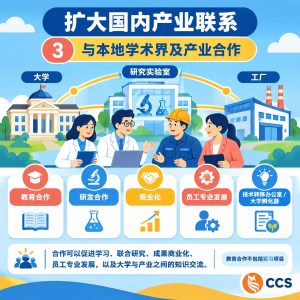
- Strengthening education, research and commercialisation partnerships with local academic institutions and industry players; and
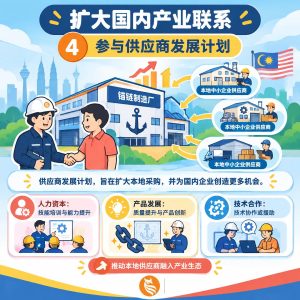
- Participating in supplier development programmes to support local suppliers in improving their skills, quality, innovation and technological capabilities.
From local inputs and workforce training to industry-academia collaboration and supplier development, these efforts can help build a more resilient and higher-value domestic industrial ecosystem.
在马来西亚新投资框架下加强国内产业联系
马来西亚 New Incentive Framework(NIF,新投资框架) 采用以成果为导向的投资评估方式。
在 NIF 下,制造业项目将通过 NIA Scorecard(国家投资愿景评分卡) 进行评估,以衡量投资项目对马来西亚经济及产业发展的实际贡献。
评分卡下的其中一个重点领域是 Extend Domestic Linkages(扩大国内产业联系)。这项要求着重于加强投资项目与本地供应商、人才、大学及产业伙伴之间的联系,从而推动马来西亚产业价值链持续发展。
企业可以从以下四个主要方向展现更强的国内产业联系:
- 增加制造过程中使用的本地原材料及零部件;
- 增加培训支出,以提升员工技能及生产能力;
- 加强与本地学术机构及产业参与者在教育、研发及商业化方面的合作;以及
- 参与供应商发展计划,支持本地供应商提升技能、质量、创新及技术能力。
从本地投入、人才培训,到产学合作及供应商发展,这些努力有助于建立更具韧性及更高价值的国内产业生态。