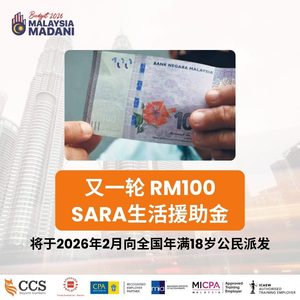
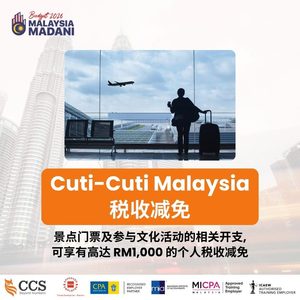
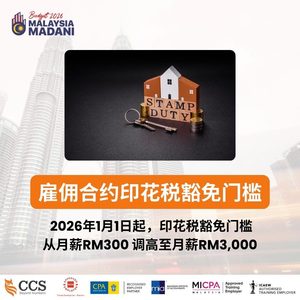
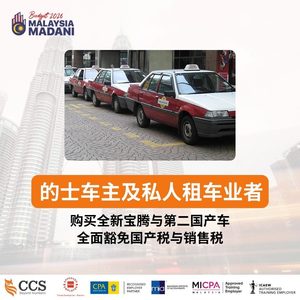
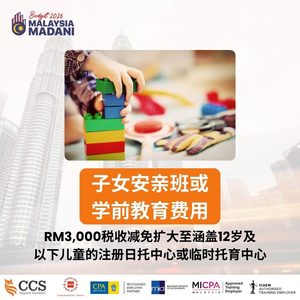
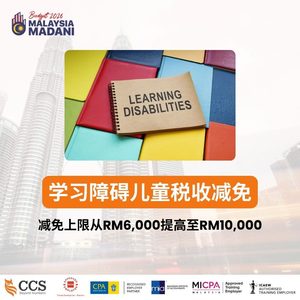
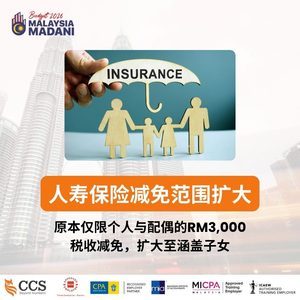
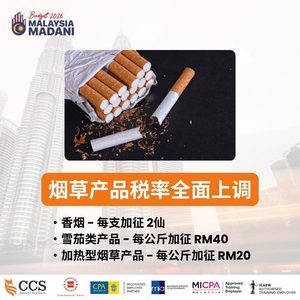
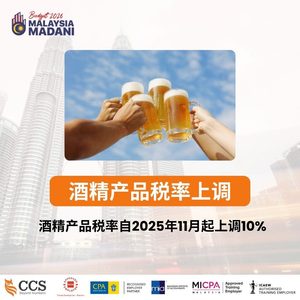
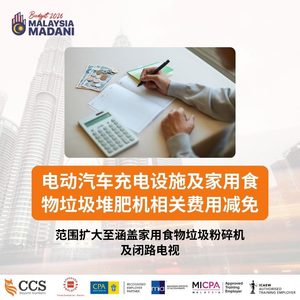
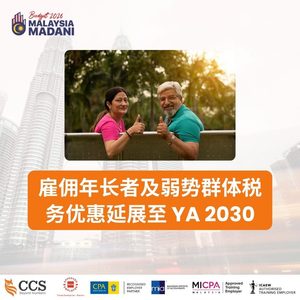
Malaysia’s Budget 2026 is a substantial document, but understanding its key tax directions need not take hours. This overview brings together the main points in a concise, accessible format.
It highlights tax measures and support relevant to businesses, potential tax relief for individuals, and assistance programmes that may be available. Whether you are a business owner or an employee, the summary offers a convenient way to familiarise yourself with the Budget’s key areas and consider what may be relevant to you.
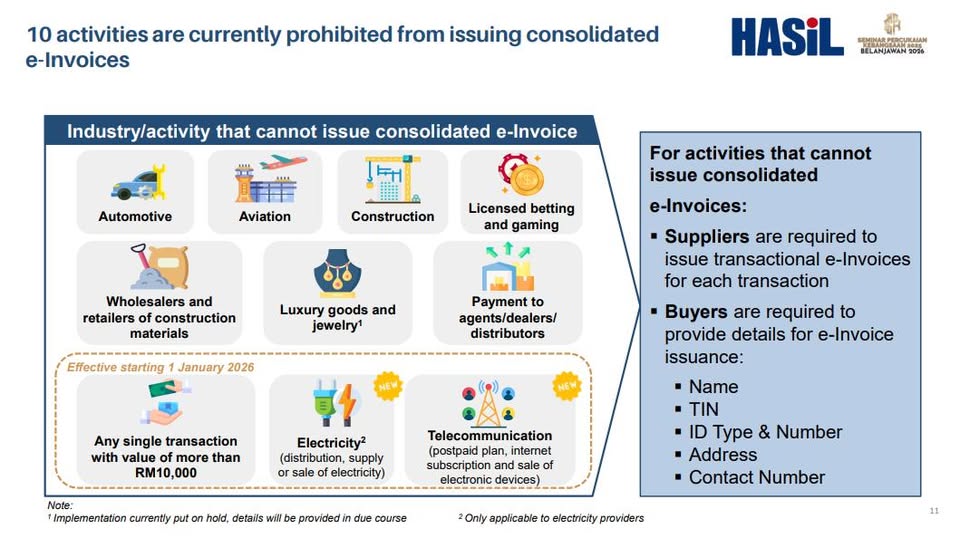
An infographic from the Inland Revenue Board of Malaysia (LHDN) identifies 10 activities that cannot use consolidated e-Invoices and must instead issue an individual transactional e-Invoice for each transaction. However, a review of the e-Invoice Specific Guideline (Version 4.4) raises a question about whether two of the activities listed relate to regular e-Invoices or self-billed e-Invoices.
Activities Listed in the Infographic
The infographic groups the activities as follows:
Stated as currently effective:
Automotive: vehicle sales and related transactions
Aviation: aviation industry transactions
Construction: construction contracts and related activities
Licensed betting and gaming
Wholesalers and retailers of construction materials
Luxury goods and jewellery
Payments to agents, dealers and distributors, including commissions and incentives
Stated to take effect from 1 January 2026:
Any single transaction valued at more than RM10,000
Electricity distribution, supply or sale, applicable only to electricity providers
Telecommunications, including postpaid plans, internet subscriptions and sales of electronic devices
The infographic also states that suppliers in these activities must issue a transactional e-Invoice for each transaction and cannot combine multiple transactions into one consolidated e-Invoice. Buyers are required to provide details for e-Invoice issuance, including their name, Tax Identification Number (TIN), identification type and number, address, and contact number.
The implementation of the restriction for luxury goods and jewellery is currently on hold, with further details to be provided in due course. The electricity restriction applies only to electricity providers, not to landlords charging tenants for electricity.
Question Raised by the e-Invoice Specific Guideline
Under Table 3.6 of the e-Invoice Specific Guideline (Version 4.4), item 6 concerns payouts to winners in licensed betting and gaming, while item 7 concerns commission payments to agents, dealers and distributors. These are transactions for which the payer issues a self-billed e-Invoice.
Paragraph 3.6.5 of the same guideline states that consolidated self-billed e-Invoices are not allowed for payouts to betting and gaming winners or for payments to agents, dealers and distributors.
The restriction in Table 3.6 appears to concern regular e-Invoices issued by suppliers to buyers. Since the two activities above involve self-billed e-Invoices and are subject to separate restrictions under paragraph 3.6.5, this raises the question of whether they should be counted among activities prohibited from issuing consolidated regular e-Invoices.
Based on this reading of the guideline, the number of activities prohibited from issuing consolidated regular e-Invoices would be eight rather than 10:
Automotive
Aviation
Construction
Wholesalers and retailers of construction materials
Luxury goods and jewellery
Any single transaction valued at more than RM10,000, stated to take effect from 1 January 2026
Electricity, for electricity providers only, stated to take effect from 1 January 2026
Telecommunications, stated to take effect from 1 January 2026
The question for LHDN is whether this interpretation is correct: does the infographic combine restrictions on regular and self-billed e-Invoices, meaning that eight activities—not 10—are prohibited from issuing consolidated regular e-Invoices?
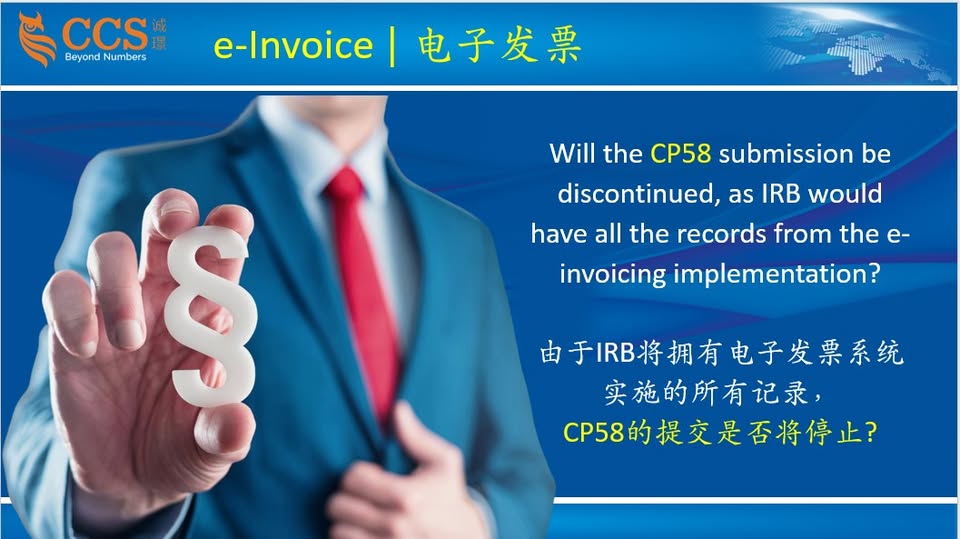
As the Inland Revenue Board (IRB) will have records through the e-Invoice system, will the requirement to submit CP58 be discontinued?
According to LHDN, CP58 must continue to be submitted in accordance with the existing requirements. Any changes will be announced if there are amendments to the current requirements.
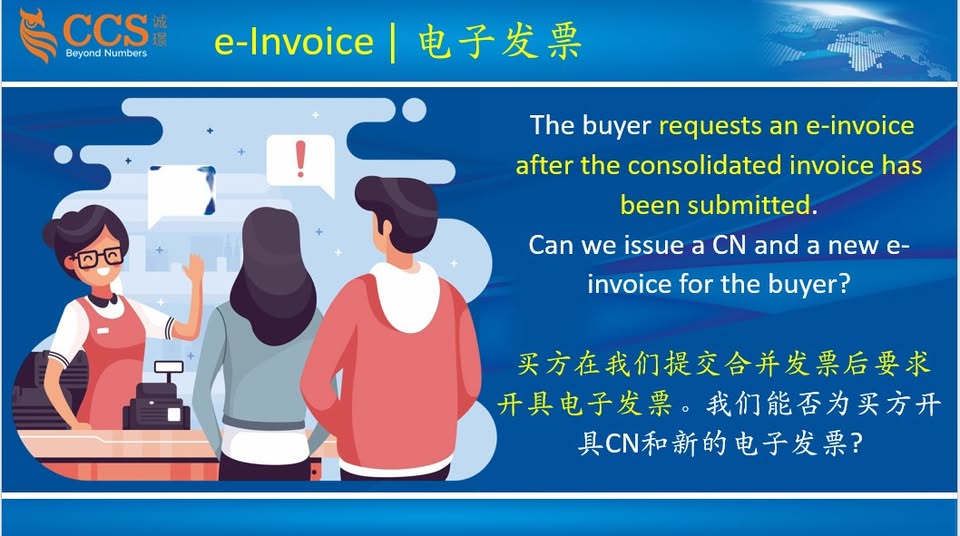
If a buyer requests an e-Invoice after the seller has submitted a consolidated e-Invoice, can the seller issue a Credit Note (CN) and a new e-Invoice to the buyer?
According to LHDN, this depends on the seller’s willingness to fulfil the buyer’s request. The supplier may issue an e-Credit Note against the consolidated e-Invoice and issue a new e-Invoice to that buyer.
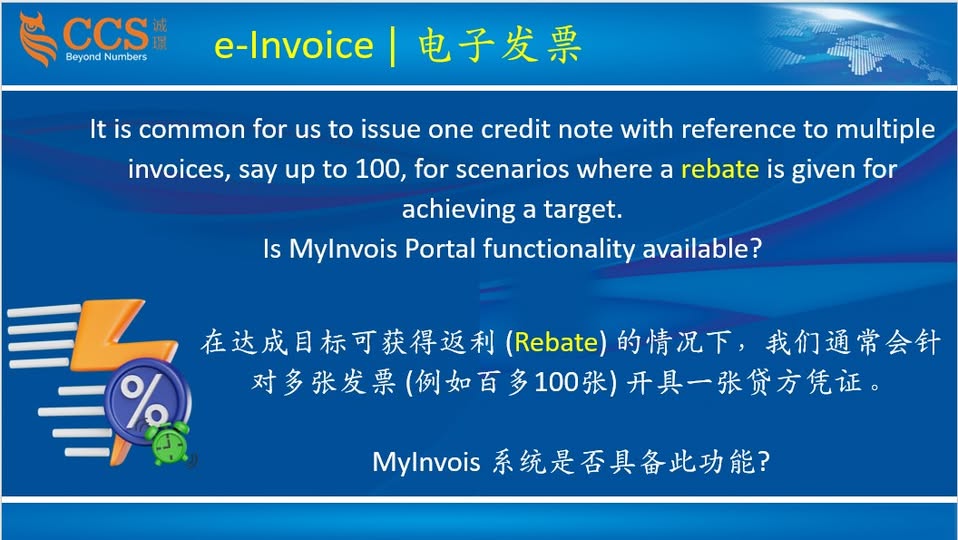
For rebates granted when a customer achieves a sales target, businesses may issue one Credit Note referencing multiple invoices, sometimes as many as 100. Does the MyInvois Portal support this?
According to LHDN, the system can accept one Credit Note, Debit Note or Refund Note e-Invoice to adjust multiple original e-Invoices.
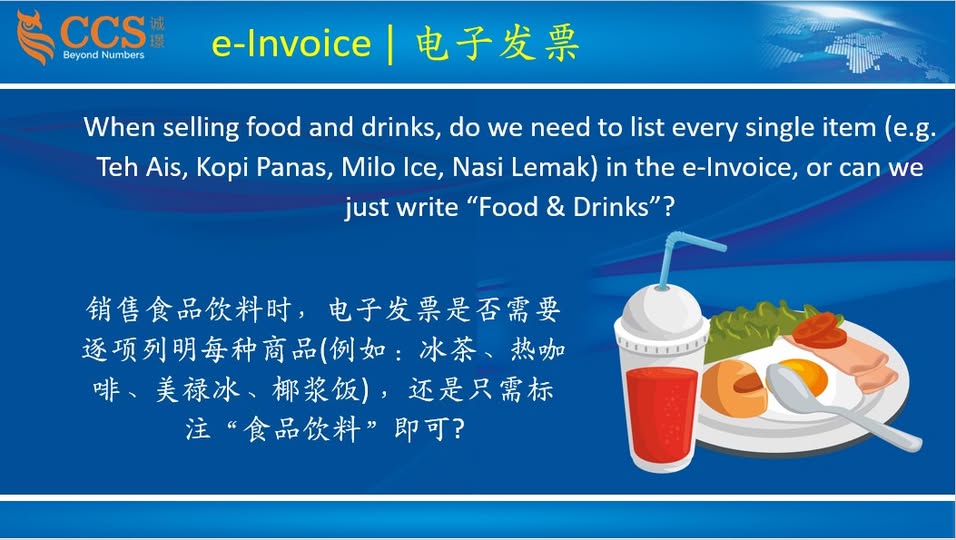
When selling food and drinks, must every item—such as iced coffee, hot coffee, iced Milo and nasi lemak—be listed separately in the e-Invoice, or is a general description such as “Food & Drinks” sufficient?
According to HASiL’s guidance, an e-Invoice needs to include relevant and sufficient information. The level of detail required depends on the transaction.
When a General Description Is Sufficient
For a restaurant, café or hawker stall issuing an e-Invoice to a customer for a dine-in meal, a general description may be used:
Description: Food & Drinks
Amount: RM45.00
This is sufficient where the specific items are not necessary to substantiate the transaction for tax purposes.
When More Detail Is Recommended
For an e-Invoice issued to a corporate client or for a catering order, itemised descriptions are recommended when the breakdown is relevant to costing or tax treatment. For example:
Nasi Lemak Set (10 pax)
Mineral Water (10 bottles)
Total: RM250.00
Item details should be included when relevant to the transaction or needed to substantiate income or expenses for tax purposes. Otherwise, a general description such as “Food & Drinks” may be used.
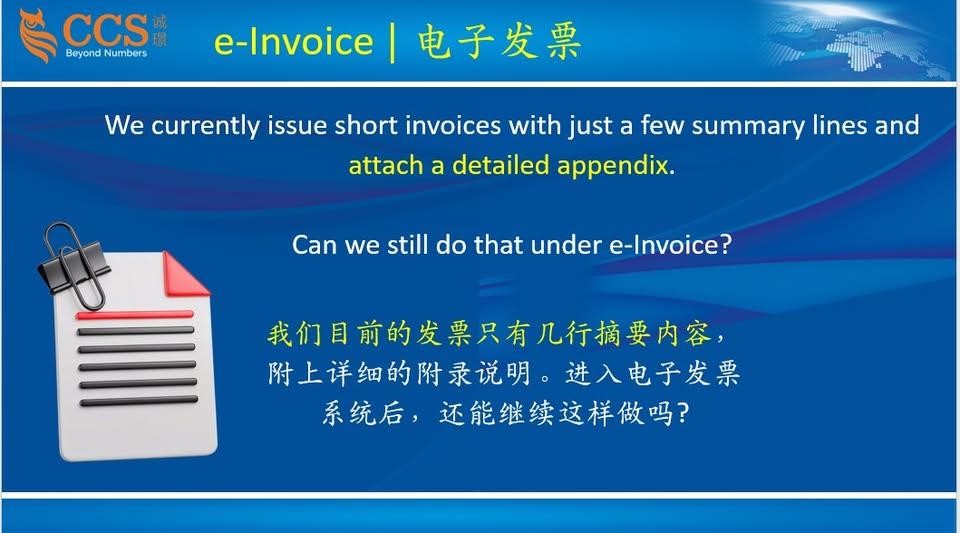
Our current invoices contain only a few summary lines, with a detailed appendix attached. Can we continue this practice under the e-Invoice system?
According to HASiL’s guidance, this practice may continue as long as the e-Invoice data submitted to the Inland Revenue Board of Malaysia (IRBM) for validation includes all 55 required data fields, of which 35 are mandatory. The invoice’s visual layout and format may remain flexible. For example, the version shared with the buyer may contain a short summary and a QR code, while the detailed appendix is attached or provided separately.
Example
Under the current practice, the invoice may show only two summary lines and a total of RM50,000, with a 50-page appendix providing a detailed breakdown by project, item or quantity.
Under the e-Invoice system, the data submitted to IRBM in JSON or XML format must contain all 55 required data fields. The visual representation shared with the buyer may still be a concise summary with a QR code for validation, with the detailed appendix supplied separately if needed.
A 50-page e-Invoice is not necessary, provided the submitted e-Invoice data is complete and the visual representation includes the validated QR code.
Before issuing a self-billed e-Invoice for a payment to an individual, the buyer or payer should confirm with the individual whether they are carrying on a business activity.
If the individual is conducting business, a self-billed e-Invoice is not required; the individual should issue an e-Invoice or a normal invoice. If the individual is not conducting business, the buyer or payer is required to issue a self-billed e-Invoice.
Example: Individual Conducting Business
A company engages Mr Lim, a freelance graphic designer, to provide design services. He works independently, charges for his services and regularly earns income from various clients.
As Mr Lim is conducting business, he should issue an e-Invoice or a normal invoice. The company does not need to issue a self-billed e-Invoice.
Before making payment, confirm whether the individual is conducting business or receiving personal income. This determines whether a self-billed e-Invoice is required.
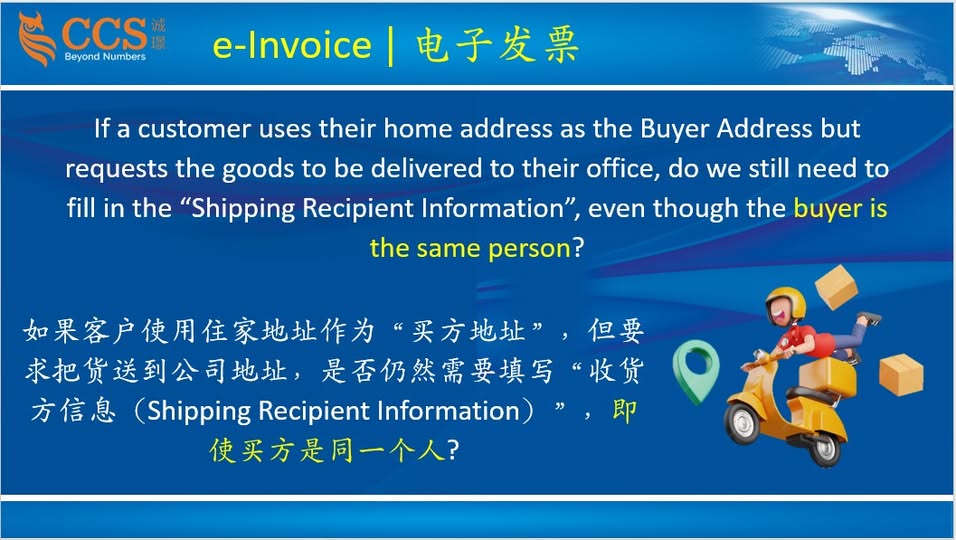
If a customer uses their home address as the Buyer Address but requests delivery to their office, does the e-Invoice need to include “Shipping Recipient Information” even if the buyer and recipient are the same person?
HASiL’s guidance states that when the Buyer Address and Shipping Recipient Address differ, the “Shipping Recipient Information” field should be completed, even if the buyer and recipient are the same person. This records the delivery details for verification and audit purposes. The accompanying note indicates that the field has since become optional.
Different Addresses
For example, Mr Tan Wei Ming uses his home address at No. 5, Jalan Mutiara, Petaling Jaya as the Buyer Address, but requests delivery to Level 10, Menara ABC, Jalan Ampang, Kuala Lumpur.
Under the guidance described, the office address should be entered under “Shipping Recipient Information” because it differs from the Buyer Address. The note indicates that completing this field is now optional.
Same Address
If Mr Tan’s Buyer Address and delivery address are both No. 5, Jalan Mutiara, Petaling Jaya, the “Shipping Recipient Information” field does not need to be completed, as the addresses are the same.
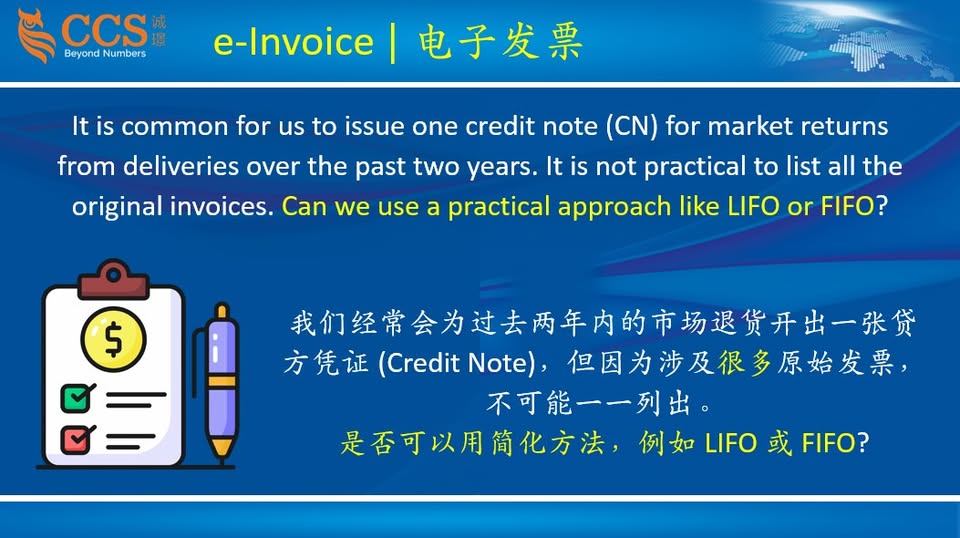
When issuing a single Credit Note (CN) for market returns involving deliveries made over the past two years, it may be impractical to list all the original invoices. Can a practical allocation method, such as LIFO or FIFO, be used instead
According to HASiL’s guidance, it is not permissible to use general or estimated allocation methods such as LIFO (Last In, First Out) or FIFO (First In, First Out). The business must identify the specific original e-Invoices affected by the return or adjustment and include their respective Unique LHDNM e-Invoice IDs when issuing a Credit Note, Debit Note (DN) or Refund Note (RN). Each adjustment must be directly linked to the original e-Invoice or e-Invoices being amended.
Example
Between 2023 and 2025, a company delivers goods under 100 separate invoices. In 2025, its customer returns goods worth RM10,000 that were sold over the previous two years.
Incorrect approach: The company issues a single Credit Note for RM10,000 without identifying the affected invoices, or assumes that the returns relate to the most recent deliveries under LIFO. This is not allowed.
Correct approach: The company checks its records to identify the specific invoices related to the returned goods. For example:
e-Invoice ID 2023-INV-00125: RM4,000
e-Invoice ID 2024-INV-00985: RM6,000
The relevant e-Invoice IDs must then be included in the Credit Note submission.
Every Credit Note, Debit Note or Refund Note must be linked to the actual, traceable e-Invoice IDs involved. Estimated allocations or assumed sequences cannot be used.