The Inland Revenue Board of Malaysia (HASiL) has issued a letter dated 28 June 2023 to CTIM and other professional bodies regarding the submission requirements for Form CP22A/ CP22B/ CP21 and the online submission process for employee-related notification forms.
The letter includes the following information:-
1. Notice of cessation of employment
Section 83(3) of the Income Tax Act 1967 (ITA 1967) require every employer:
who intends to cease employing a taxable (chargeable) or potentially taxable (likely to be chargeable) employee; or
to submit a notification (Form CP22A / CP22B) to the Director General of Inland Revenue (DGIR) at least 30 days before the cessation of employment or in respect of cessation because of death not more than thirty days after being informed of the individual’s death.
However, employers are not required to submit such notification if the income of an individual employee is subject to Monthly Tax Deduction (MTD/PCB) or if the employee’s monthly remuneration falls below the minimum amount eligible for MTD.
2. Notification for Employees intending to Leave Malaysia
Additionally, according to Section 83(4), employers are responsible for providing notice regarding employees who will be leaving Malaysia for a period of three (3) months or more by submitting a notification through Form CP21.
This notification must be made at least 30 days before the expected departure date of the employee from Malaysia.
However, if the employee’s departures are frequent and part of their employment travel, the employer is not required to submit such notification.
The Inland Revenue Board of Malaysia (LHDNM) has updated the general guidelines for employers on the Official Portal of LHDNM to assist them in determining the requirements for submitting notifications related to employees through Form CP22A, CP22B, and CP21.
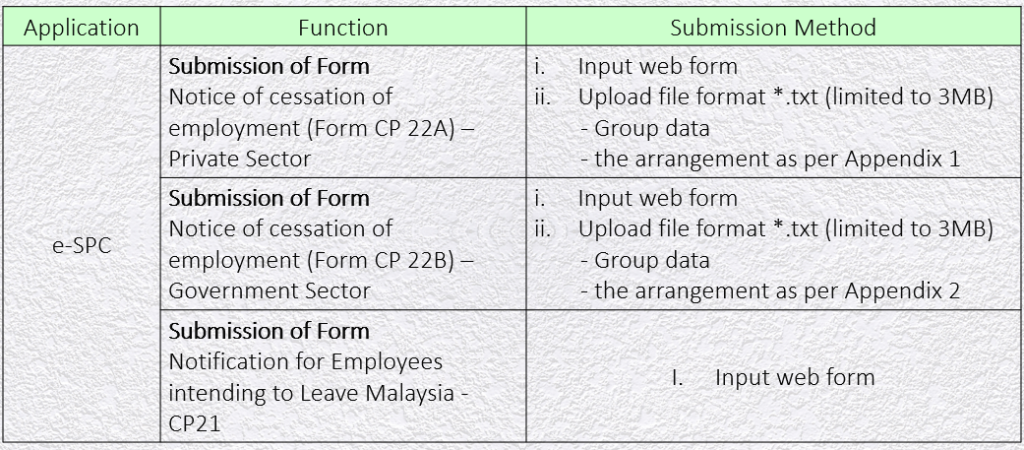
The table below provides a general guide for employers to determine the submission requirements for Forms CP 22A and CP 22B:-
The table below provides a general guide for employers to determine the submission requirements for Form CP21:-
The e-SPC application can be accessed through the MyTax Portal at the link https://mytax.hasil.gov.my/ > Services > e-SPC.
Employers can refer to the Information Arrangement Format provided with this letter to prepare the required CP22A, CP22B, and CP21 forms.
In line with the digital transformation of LHDNM services, starting from 1 January 2024, LHDNM will mandate online services such as e-Filing, e-SPC, and other applications as the primary medium for tax-related transactions.
Non-compliance by the employer:
Failure to comply with the responsibility without any reasonable excuse, upon conviction of an offence, will be liable to a fine of not less than RM200 and not more than RM20,000 or to imprisonment for a term not exceeding 6 months or to both.
An employer shall be liable to pay the full amount of tax due from his employee. The amount due from the employer shall be a debt due to the Government and may be recovered by way of civil proceedings.
Related provisions:
Subsections 83(3), (4) and (5) of the Income Tax Act 1967
Subsection 106 of the Income Tax Act 1967
Subsection 107(4) of the Income Tax Act 1967
Subsection 120(1) of the Income Tax Act 1967
Feedback
Any inquiries or feedback can be directed to HASiL through:-
HASiL Care Line at 03-8911 1000 / 603-8911 1100 (International)
The articles, templates, and other materials on our website are provided only for your reference.
While we strive to ensure the information presented is current and accurate, we cannot promise the website or its content, including any related graphics. Consequently, any reliance on this information is entirely at your own risk.
If you intend to use the content of our videos and publications as a reference, we recommend that you take the following steps:
Verify that the information provided is current, accurate, and complete.
Seek additional professional opinions, as the scope and extent of each issue may be unique.
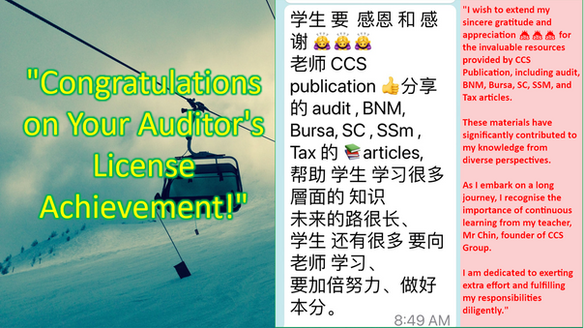
Congratulations on your remarkable achievement of successfully passing the audit license interview and obtaining your auditor’s license! This significant milestone marks the beginning of your journey as an auditor, and I, Mr Chin, the founder of CCS Group (www.ccs-co.com), am immensely proud of your accomplishment.
I express my most profound appreciation for your dedication and hard work throughout your learning journey. Your commitment to expanding your knowledge, with the valuable resources provided by CCS Publication, including audit, BNM, Bursa, SC, SSM, and Tax articles, has undoubtedly played a crucial role in your success.
As you step into the world of auditing, I encourage you to continue embracing a mindset of continuous learning and growth. The field of audit demands constant adaptation to evolving regulations and best practices. Learning from various perspectives and experiences will enhance your expertise and contribute to your professional growth.
Remember that this journey as an auditor may present challenges and opportunities, but with determination and perseverance, you will undoubtedly positively impact the industry. As your teacher and mentor, I am confident that you have the potential to excel and make a difference.
Once again, congratulations on this significant accomplishment, and I wish you continued success in your future endeavours as a skilled and dedicated auditor. 亲爱的学生
The articles, templates, and other materials on our website are provided only for your reference.
While we strive to ensure the information presented is current and accurate, we cannot promise the website or its content, including any related graphics. Consequently, any reliance on this information is entirely at your own risk.
If you intend to use the content of our videos and publications as a reference, we recommend that you take the following steps:
Verify that the information provided is current, accurate, and complete.
Seek additional professional opinions, as the scope and extent of each issue may be unique.
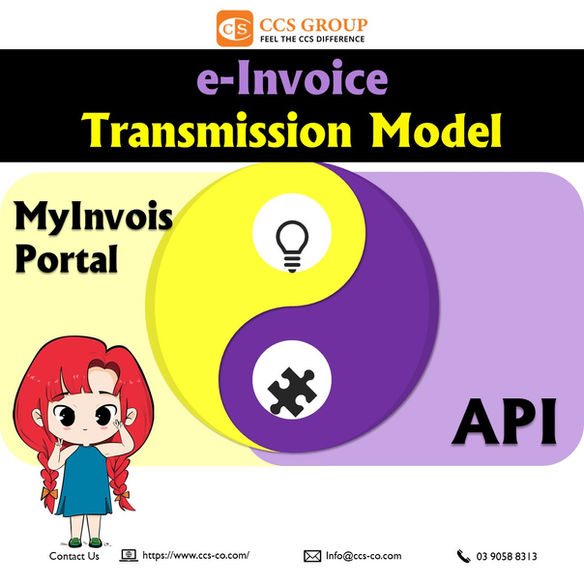
In summary, the MyInvois Portal is suitable for smaller businesses with lower invoice volumes, as it provides a simple and user-friendly interface to manage e-Invoices without technical integration.
The API method suits businesses with high invoice volumes, allowing automated generation and transmission of e-Invoices by integrating with the company’s existing systems. However, the API method requires more technical expertise and upfront development costs.
So, in conclusion, the two models cater to different profiles of taxpayers and business requirements, providing flexibility for e-Invoice adoption. Reference:
The articles, templates, and other materials on our website are provided only for your reference.
While we strive to ensure the information presented is current and accurate, we cannot promise the website or its content, including any related graphics. Consequently, any reliance on this information is entirely at your own risk.
If you intend to use the content of our videos and publications as a reference, we recommend that you take the following steps:
Verify that the information provided is current, accurate, and complete.
Seek additional professional opinions, as the scope and extent of each issue may be unique.
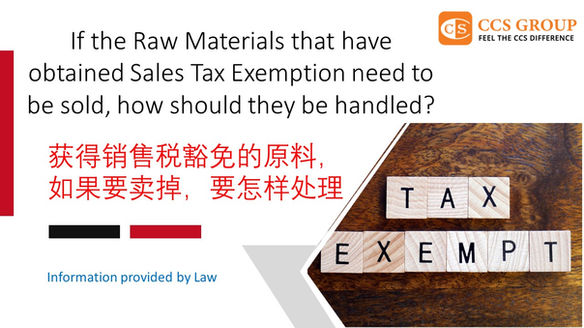
Here are the key points extracted from page 71, Schedule C Item 1 of the Sales Tax (Persons Exempted From Payment Of Tax) Order 2018:
Persons: Any registered manufacturer
Goods Exempted: Raw materials, components and packaging materials, excluding petroleum
Conditions:
The Director General must approve goods.
Goods must be imported or purchased from another registered manufacturer, a warehouse licensed under Section 65, or a licensed manufacturing warehouse under Section 65A of the Customs Act 1967
Goods shall be used solely in the manufacturing of finished goods of the registered manufacturer.
Registered manufacturers shall pay sales tax on any goods that cannot be accounted for
Any other conditions imposed by the Director General
Certificate to be signed by: Registered Manufacturer
In summary, registered manufacturers can import raw materials, components and packaging sales tax-free if these are used to manufacture their finished products, subject to conditions as stated in Schedule C.
Disqualification of Sales Tax Exemption
Hence, based on Schedule C Item 1 of the Sales Tax (Persons Exempted From Payment of Tax) Order 2018, the following are circumstances under which a registered manufacturer may not qualify for the sales tax exemption on raw materials, components and packaging materials:
If the goods are not approved by the Director General of Customs
If the goods are not imported or purchased from another registered manufacturer, licensed warehouse under Section 65, or licensed manufacturing warehouse under Section 65A of the Customs Act 1967
If the imported goods are not used solely in the manufacturing of the registered manufacturer’s own finished products
If the registered manufacturer is unable to account for the goods when required by a senior customs officer
If the registered manufacturer does not sign the required certificate to claim the sales tax exemption
If the registered manufacturer breaches any conditions imposed by the Director General of Customs
If the registered manufacturer disposes of the sales tax-exempt goods locally instead of using them in manufacturing
If the registered manufacturer sells or transfers the sales tax-exempt goods without approval
In summary, the key reasons a registered manufacturer may not qualify for the sales tax exemption are failing to meet the conditions of the exemption, inability to account for goods, breaching imposed requirements, and improper disposal/sale of sales tax-exempt goods.
Consequences of Non-Compliance
If a registered manufacturer disposes of sales tax exemption goods locally instead of using them in manufacturing, the following consequences and actions will apply:
The registered manufacturer would be in breach of the conditions of the sales tax exemption under Schedule C of the Sales Tax Order.
Disposing of the sales tax exemption goods locally would be considered improper disposal unless approval is obtained from the Director General of Customs.
The registered manufacturer may be subject to penalties for abusing the sales tax exemption.
Future applications for sales tax exemptions may be rejected or additional conditions imposed.
The registered manufacturer may be subject to greater scrutiny and audits by Customs.
Actions that should be taken:
The registered manufacturer should voluntarily disclose the improper disposal to Customs and pay back any exempted sales tax using Borang SST-ADM.
Submit the SST-ADM form and supporting documents to Customs, declaring the value of exempted goods disposed of and paying back the 10% sales tax.
Maintain proper documentation like the tax payment receipt to show auditors.
Take measures to improve inventory controls and oversight to prevent recurrence.
Comply with any additional conditions that Customs may impose to regain trust in giving future exemptions.
Borang SST-ADM:
This is a declaration form to pay sales tax, service tax or any other amount due under the Sales Tax Act 2018 or Service Tax Act 2018 to the Royal Malaysian Customs Department.
It is used for paying sales tax for breach of exemption conditions under subsection 35(5) of the Sales Tax Act 2018. Details of the exemption, such as schedule, item number and certificate number, must be provided.
It is also used for paying any other amounts due under the Sales Tax Act 2018 or Service Tax Act 2018, such as the disposal of raw materials by sale.
The form requires the declaration of the tax or amount to be paid.
An additional report in Appendix 1 must be submitted for breach of sales tax exemption conditions.
For disposal of raw materials, components damaged packaging and scraps, an additional report in Appendix 2 must be submitted.
Payment must be by cheque or bank draft made payable to the Director General of Customs and submitted to the controlling station for payment at authorised Customs collection centres.
Submission of payment does not prevent Customs from auditing or taking legal action for any violations of the Sales Tax Act 2018, Service Tax Act 2018 or related laws/regulations.
In summary, the Borang SST-ADM is a declaration form for paying any taxes, amounts or monies due under the Sales Tax Act 2018 or Service Tax Act 2018 to avoid penalties. Supplementary reports (Lampiran) may be required. Proper procedures must be followed.
Reference:
Sales Tax (Persons Exempted From Payment Of Tax) Order 2018
The articles, templates, and other materials on our website are provided only for your reference.
While we strive to ensure the information presented is current and accurate, we cannot promise the website or its content, including any related graphics. Consequently, any reliance on this information is entirely at your own risk.
If you intend to use the content of our videos and publications as a reference, we recommend that you take the following steps:
Verify that the information provided is current, accurate, and complete.
Seek additional professional opinions, as the scope and extent of each issue may be unique.
Reduces time spent on manual entry or digitisation of invoice data.
Enables quick access to integrated invoice details for reporting and tax filing.
Provides transparency for advising clients on invoices, payments, and tax liabilities.
Frees up time to focus on high-value advisory services.
Opens up new technology integration and consulting revenue opportunities.
Accountants/Freelancers may cope with the Transition:
Upskill on new e-invoicing software, standards, regulations and technologies.
Evaluate client readiness and recommend solutions to improve capabilities.
Develop integrated advisory services leveraging e-invoicing data and insights.
Implement e-invoicing within internal accounting/bookkeeping processes first.
Partner with e-invoicing technology vendors to jointly serve client needs.
Use e-invoicing to enhance competencies like data analytics and cash flow management.
The transition to e-invoicing requires adaptation but offers significant benefits and opportunities for both businesses and accounting professionals to elevate their capabilities and service offerings.
The articles, templates, and other materials on our website are provided only for your reference.
While we strive to ensure the information presented is current and accurate, we cannot promise the website or its content, including any related graphics. Consequently, any reliance on this information is entirely at your own risk.
If you intend to use the content of our videos and publications as a reference, we recommend that you take the following steps:
Verify that the information provided is current, accurate, and complete.
Seek additional professional opinions, as the scope and extent of each issue may be unique.
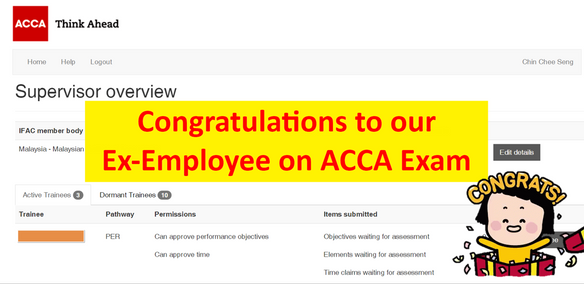
We at CCS Group are delighted to extend our warmest congratulations to one of our exceptional ex-Team Members, Mr Woo, on passing the prestigious UK ACCA exams with flying colours. This remarkable achievement reflects his unwavering dedication, perseverance, and hard work in pursuing excellence in accounting and finance.
The Association of Chartered Certified Accountants (ACCA) qualification is renowned worldwide for its rigour and comprehensive curriculum; successfully attaining it is no small feat. Our ex-Team Member’s accomplishment speaks volumes about his brilliance and reflects positively on the education and guidance he received during his tenure with us.
As he embarks on the journey towards becoming an ACCA member, we want to take this opportunity to extend our best wishes for a prosperous career ahead. The ACCA qualification opens doors to diverse opportunities, and we are confident that his skills and knowledge will significantly impact the accounting profession.
To our current ACCA students, we hope this remarkable achievement is a source of inspiration and motivation. The road to ACCA success is undoubtedly challenging, but it is also incredibly rewarding. Embrace the journey, stay focused, and never underestimate the power of hard work and determination.
At CCS Group, we believe in nurturing talent and empowering our employees to reach new heights in their professional endeavours. Our ex-employees success is a testament to the culture of excellence and learning we foster within our organisation.
Once again, congratulations to our ex-Team Member, Mr Woo, on this significant milestone. We are proud to have been a part of his journey and look forward to witnessing even more significant accomplishments in the future.
To all ACCA students, remember that your future is filled with endless possibilities. Aim high, work hard, and success will undoubtedly be within your reach.
The articles, templates, and other materials on our website are provided only for your reference.
While we strive to ensure the information presented is current and accurate, we cannot promise the website or its content, including any related graphics. Consequently, any reliance on this information is entirely at your own risk.
If you intend to use the content of our videos and publications as a reference, we recommend that you take the following steps:
Verify that the information provided is current, accurate, and complete.
Seek additional professional opinions, as the scope and extent of each issue may be unique.
The articles, templates, and other materials on our website are provided only for your reference.
While we strive to ensure the information presented is current and accurate, we cannot promise the website or its content, including any related graphics. Consequently, any reliance on this information is entirely at your own risk.
If you intend to use the content of our videos and publications as a reference, we recommend that you take the following steps:
Verify that the information provided is current, accurate, and complete.
Seek additional professional opinions, as the scope and extent of each issue may be unique.
The Inland Revenue Board of Malaysia (IRBM) aims to facilitate the country’s transition from traditional to electronic invoicing methods.
The initial phase of the Electronic Invoicing (e-invoicing) system is set for pilot implementation in the first half of 2023. Subsequently, the mandatory implementation is scheduled to commence in June 2024 for businesses with an annual sales turnover threshold of RM100 million.
Through a series of roadshows covering selected zones, namely Klang Valley, Northern Zone, Sarawak Zone and Sabah Zone, the Inland Revenue Board of Malaysia remains committed to continue strategising to ensure the successful implementation of the e-invoicing initiative according to the planned timeline.
The Inland Revenue Board of Malaysia issued a Media Statement and e-invoice guideline year 2023 on 21 July 2023.
Media Statement
In this Media Statement, the Inland Revenue Board of Malaysia (IRBM) is pleased to announce the release of the e-Invoicing General Guidelines for the Year 2023 on its official portal.
This is an important reference and guidance for taxpayers on the e-Invoicing implementation.
The guidelines cover vital areas such as:
– e-invoicing implementation concepts;
– e-invoicing implementation timeline;
– e-invoice issuance and submission process to IRBM;
– Readiness assessment guidance for taxpayers; and
– Specifications of required data fields.
Accompanying the guidelines are Frequently Asked Questions (FAQs) that address common taxpayer queries on e-Invoicing.
Taxpayers can now access and download the e-Invoicing guidelines and FAQs via https://www.hasil.gov.my/e-invois/ to learn more about e-Invoicing requirements and processes.
IRBM welcomes taxpayer feedback on the e-Invoicing implementation at [email protected] as we work together to facilitate a smooth transition. Additional e-Invoicing resources will be provided along the way.
For any inquiries, taxpayers may contact:
Hasil Care Line at 03-8911 1000 / 603-8911 1100 (overseas),
Here is an overview of the key points covered in the IRBM e-Invoicing Guideline for the Year 2023:
Introduction
e-Invoicing will be implemented in stages to enhance the efficiency of Malaysia’s tax administration.
e-Invoice enables instant validation and storage of transactions for B2B, B2C and B2G.
e-Invoice Concepts
Replaces paper/electronic invoices and credit/debit notes. Contains the exact details like supplier, buyer, items, prices, and taxes.
Benefits include streamlined processes, reduced errors, facilitated tax filing, and cost and time savings.
Applies to all commercial transactions and taxpayers in Malaysia. Certain non-business transactions are also included later.
Implementation Timeline
Rolled out in phases from 2024-2027 based on annual turnover thresholds.
Voluntary opt-in is available earlier regardless of turnover.
Notifications will be sent to mandated taxpayers.
e-Invoice Models
Two models: MyInvois Portal and API Integration
Portal suitable for micro, small and medium-sized enterprises (MSMEs). API for large taxpayers with high transactions.
Step-by-step processes are explained for both models.
e-Invoice Overview Workflow
Below demonstrates an overview of the e-Invoice workflow from the point a sale is made or transaction is undertaken, and an e-Invoice is issued by the supplier via MyInvois Portal or API, up to the point of storing cleared e-Invoices on IRBM’s database for taxpayers to view their respective historical e-Invoices
e-Invoice model via MyInvois Portal
Taxpayers must log in to MyTax Portal to utilise MyInvois Portal to perform their e-Invoice obligations per the rules and requirements outlined by IRBM.
Here is an overview of the e-Invoice model using the MyInvois Portal:
MyInvois Portal is a web application developed by IRBM that allows all taxpayers to perform e-Invoicing functions.
It is designed for MSMEs and taxpayers unable to issue e-Invoices from their own systems.
Taxpayers login to the portal using their MyTax credentials.
e-Invoices can be created individually by filling out a form or generated in batches by uploading files.
Created e-Invoices are submitted to IRBM via the portal for validation.
Validated e-Invoices are returned with an IRBM unique identifier for traceability.
Notifications are sent to the supplier and buyer upon e-Invoice validation.
Supplier shares cleared e-Invoice containing IRBM’s QR code with the buyer.
Buyer can request rejection or supplier can cancel e-Invoice within 72 hours of validation.
Accepted e-Invoices stored in IRBM’s database.
e-Invoice data can be retrieved from the portal in various formats.
The MyInvois Portal provides an accessible and user-friendly avenue for especially small taxpayers to fulfil e-Invoicing obligations with minimal investment needed in additional technology or systems.
The step-by-step processes make it easy for taxpayers to create, share and retrieve e-Invoices through the portal.
e-Invoice model via API
The API model allows taxpayers to directly submit e-Invoices to IRBM’s MyInvois system using integration with IRBM’s APIs.
Taxpayers or their technology providers will need to configure the API integration, which involves:
Setting up callback addresses (taxpayer system endpoints for receiving API responses)
Logging into IRBM’s APIs using digital certificates issued by IRBM
The API configuration will be included in the Software Development Kit (SDK), which is expected to be issued in Q4 of 2023
The e-Invoice data can be transmitted in XML or JSON format based on the defined structure containing the required fields.
The critical steps in the API model are:
e-Invoice creation and submission via API in the standard format
Validation by IRBM via APIs – errors are returned if any
Notifications are sent to the supplier and buyer upon e-Invoice clearance.
Supplier shares cleared e-Invoice with the buyer.
Buyer/supplier can reject/cancel e-Invoice within 72 hours of validation.
Accepted e-Invoices stored in IRBM’s database
e-Invoice data can be retrieved via APIs by supplier and buyer
The API integration requires some upfront investment in technology but offers seamless transmission of high e-Invoice volumes. IRBM will provide a software development kit (SDK) to facilitate integration.
The API model is ideal for large companies with huge transaction volumes.
Readiness Assessment
Guide on allocating personnel, evaluating IT systems, and reviewing processes.
key impacts on Small & Medium Enterprises (SMEs)
Here are some of the key impacts and considerations for Small & Medium Enterprises (SMEs) with regard to e-Invoicing implementation:
The phased approach based on turnover thresholds provides SMEs with more time to transition compared to larger companies.
The MyInvois portal gives SMEs an accessible channel to issue e-Invoices without needing large investments in technology integration.
However, SMEs may still need to make some adjustments to their processes, bookkeeping, staff capabilities etc. to migrate to automated e-Invoicing.
This may entail changes in how transactions are recorded, invoices issued, and credits/debit notes handled.
Data requirements like Tax ID numbers and proper product codes need to be prepared.
Advanced features like batch upload, may need staff training and changes to internal systems.
Vendors providing accounting software and services can assist by building e-Invoicing compatibility.
While larger SMEs can consider API integration for efficiency, smaller SMEs can fully utilise the MyInvois portal.
Even without full automation, the portal can reduce manual errors and paperwork compared to traditional invoicing.
Proper adoption of e-Invoicing can enhance financial reporting, cash flow visibility and tax filing for SMEs through centralized data.
In summary, the impact on SMEs is manageable given the longer transition timeframe and accessible options like the MyInvois portal. Some process changes may be required but the benefits outweigh the effort of migrating to e-Invoicing.
10 Essential Steps for Preparing for e-Invoicing Implementation
Here are some suggested actions for businesses to take now to prepare for the upcoming e-Invoicing implementation:
Review the e-Invoicing timelines and determine when your organization will be mandated to adopt based on the turnover thresholds.
Start evaluating your finance and accounting processes related to invoicing, credits, and debits and identify changes needed to issue compliant e-Invoices.
Assess your existing accounting software, ERPs, and systems to see if they can be integrated with e-Invoicing via API or allow bulk generation of e-Invoices.
Explore automating the e-Invoice generation process if you have high transaction volumes. However, the MyInvois portal can suffice for smaller businesses.
Identify resources to manage the e-Invoicing adoption and provide necessary training to your teams. System providers can also assist.
Verify your Tax ID numbers and ensure customer and supplier records are updated to capture necessary details.
Engage with your customers/buyers to align e-Invoicing timelines and protocols for sharing and accepting e-Invoices.
Sign up for IRBM trainings and seminars to be informed of the latest updates and guidance on e-Invoicing.
Consider participating earlier voluntarily if your systems are ready rather than waiting for the mandated deadline.
Leverage the availability of resources like the e-Invoicing Guideline and FAQs published by IRBM.
Being proactive and making early preparations will ensure a smooth transition for your business to the new e-Invoicing system.
Key Roles of Tax Agents in e-Invoicing Implementation
Here are some of the key roles tax agents can play with regard to e-Invoicing implementation:
Advise clients on e-Invoicing timelines and requirements based on their turnover thresholds. Help determine their mandated adoption phase.
Provide guidance on changes required to their invoicing processes, bookkeeping, and staff capabilities to be e-Invoicing compliant.
Assist in reviewing clients’ existing accounting software, ERPs and systems to assess e-Invoicing readiness and integration needs.
Recommend suitable solutions for e-Invoice generation like directly using the MyInvois portal, or integrating via API.
Assist in mapping tax codes, setting up product catalogues, and configuring accounting systems as needed for e-Invoicing.
Highlight the benefits of early voluntary adoption if systems are ready rather than waiting for a mandated deadline.
Conduct staff training on using e-Invoicing solutions, key data requirements, and handling of credits/debits.
Develop internal protocols and controls around the issuance, acceptance, rejection and cancellation of e-Invoices.
Providing advisory on common issues faced during transition like change management, and exception handling.
Help validate that Tax ID records are updated for clients and their customers. Verify compliance before go-live.
Stay updated on the latest IRBM guidance and share relevant information with clients through briefings.
Be available to troubleshoot issues faced by clients during the initial rollout period.
With their expertise, tax agents can guide clients to successfully adopt e-Invoicing with minimal disruption to their business operations.
Conclusion Overall, the guidelines provide comprehensive details to facilitate taxpayer transition and preparedness for e-Invoicing implementation.
Let us work hand in hand for the successful implementation of e-Invoicing in Malaysia.
The articles, templates, and other materials on our website are provided only for your reference.
While we strive to ensure the information presented is current and accurate, we cannot promise the website or its content, including any related graphics. Consequently, any reliance on this information is entirely at your own risk.
If you intend to use the content of our videos and publications as a reference, we recommend that you take the following steps:
Verify that the information provided is current, accurate, and complete.
Seek additional professional opinions, as the scope and extent of each issue may be unique.
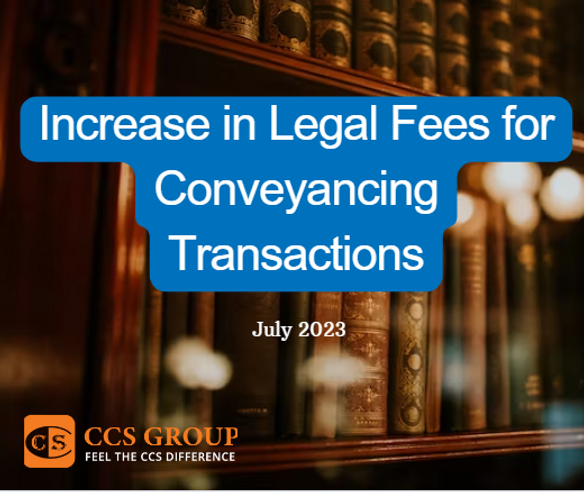
The Solicitors’ Remuneration Order 2023 was gazetted on 12 July 2023 and will take effect on 15 July 2023.
The Solicitors’ Remuneration Order 2005 will be repealed as of 15 July 2023.
The Solicitors’ Costs Committee, chaired by the Chief Judge of Malaya under Section 113 of the Legal Profession Act 1976 approved the Solicitors’ Remuneration Order 2023 on 4 July 2023.
Considering the higher cost of operations for law firms, the order provides for increased rates of the scale fees for conveyancing matters in Peninsular Malaysia.
Conveyancing covers non-litigation (non-court) work that includes sale and purchase agreements, tenancy agreements, lease agreements, transfers, loans, assignments, and so on and so forth. Under the Order, a solicitor may discount up to 25% on the fee specified in Table A of the First Schedule and Table A of the Third Schedule.
No discount may be given on the fee specified in Table B of the First Schedule, the Second Schedule, Table B of the Third Schedule, the Fourth Schedule, the Fifth Schedule and the Sixth Schedule.
The sale and transfer of property valued at RM500,000 and below will now be subject to a conveyancing fee of 1.25%, subject to a minimum of RM500 (previously 1%).
For properties valued between RM500,000 and RM7.5 million, the conveyancing fee is now 1%,
For properties valued exceeding RM7,500,000, subject to negotiation on the excess but shall not exceed 1% of such excess.
However, senior lawyer Datuk Roger Tan, who represented the Malaysian Bar in the Solicitors Costs Committee, assures that those who buy properties from developers who fall under the Housing Development (Control and Licensing) Act will automatically get up to a 50% discount on conveyancing fees.
The articles, templates, and other materials on our website are provided only for your reference.
While we strive to ensure the information presented is current and accurate, we cannot promise the website or its content, including any related graphics. Consequently, any reliance on this information is entirely at your own risk.
If you intend to use the content of our videos and publications as a reference, we recommend that you take the following steps:
Verify that the information provided is current, accurate, and complete.
Seek additional professional opinions, as the scope and extent of each issue may be unique.
Employee misconduct, such as absenteeism and disobedience, can significantly disrupt company operations and affect productivity.
However, Malaysian employment law requires employers to follow fair procedures before dismissing staff for misconduct.
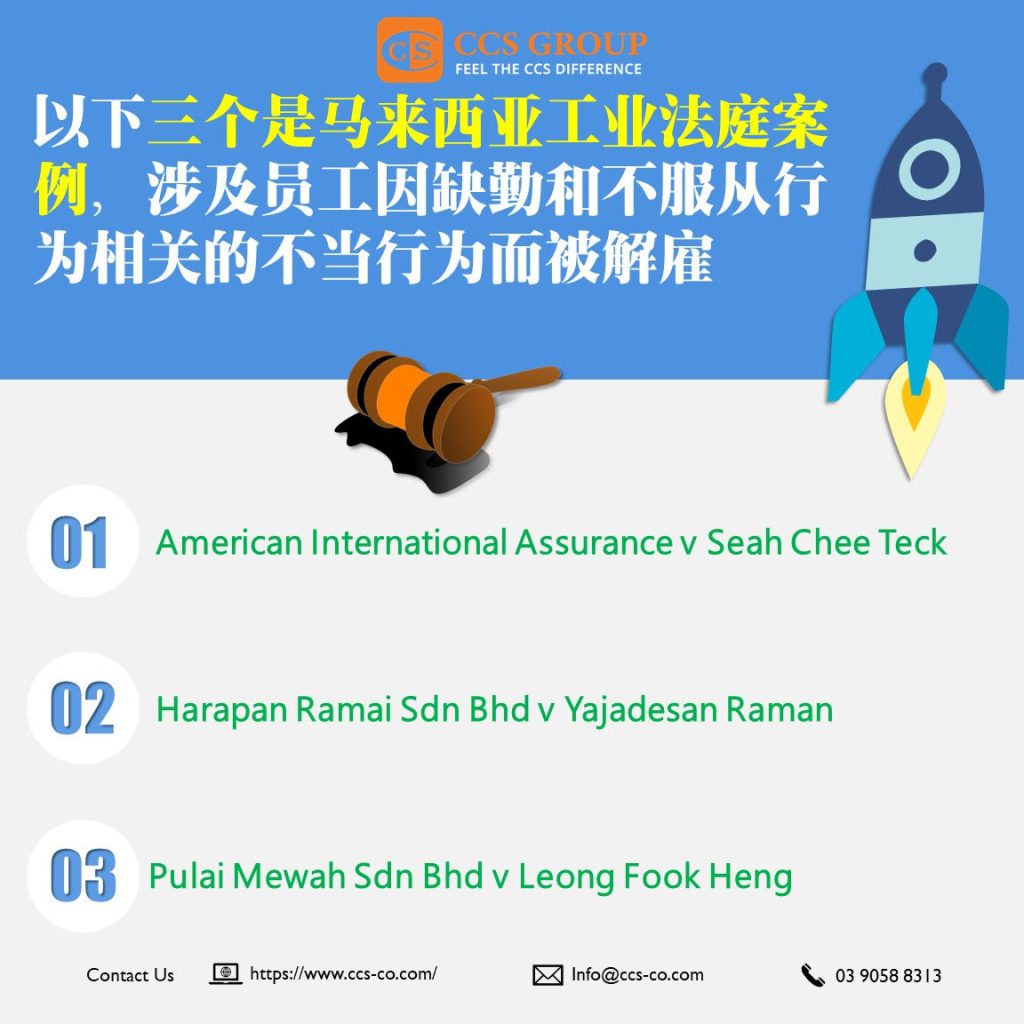
Several industrial court cases demonstrate how companies must provide ample warnings and prove misconduct before courts will uphold absenteeism dismissals as justified.
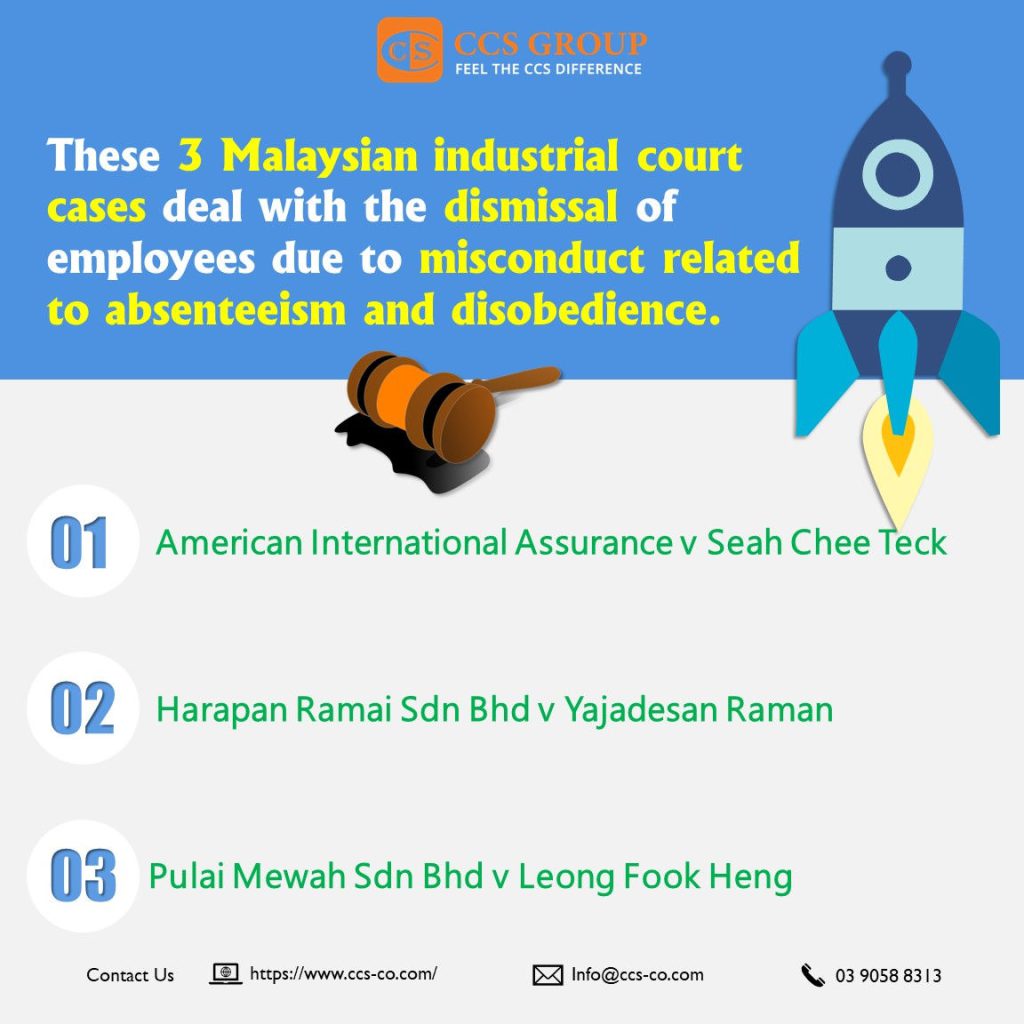
Below are 3 Malaysian industrial court cases dealing with dismissals of employees due to misconduct related to absenteeism and disobedience:-
1. American International Assurance v Seah Chee Teck
American International Assurance v Seah Chee Teck:
Background Facts:
The claimant, Seah Chee Teck, was employed as an assistant manager (sales) by American International Assurance Co. Ltd (the company).
The company dismissed the claimant on 10 November 1993 for poor performance and misconduct, including:
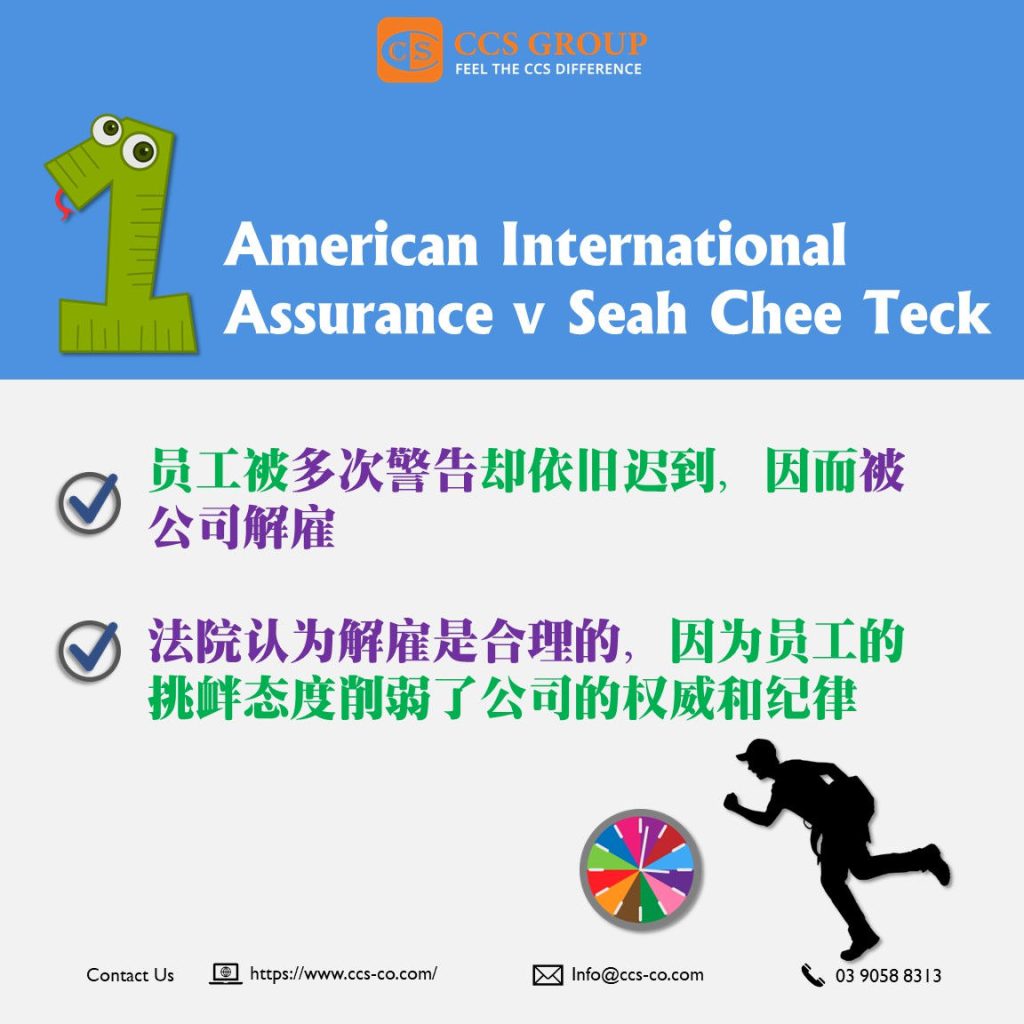
Consistent lateness to work despite repeated verbal and written warnings
Failure to inform the office when leaving for appointments as required
Poor performance in meeting sales targets and carrying out agency visits
Disrespectful and non-cooperative attitude towards his superior
The claimant contends his dismissal was without just cause and amounted to victimisation due to a personal conflict with his superior.
Court’s Evaluation:
The Court found that the claimant’s continued lateness to work without a valid excuse, despite warnings, amounted to misconduct. Persistent lateness undermines work discipline.
The Court held that willful disobedience of lawful instructions is serious misconduct that destroys trust in the employment relationship.
The claimant’s failure to obey instructions to inform the office when leaving, submit reports on time, meet sales targets, and conduct agency visits amounted to insubordination.
The Court found no evidence of victimisation. The claimant’s conduct showed disrespect for authority and persistent defiance of warnings.
The Court held that the cumulative misconduct justified dismissal and was done with just cause. The company dismissed the claimant through proper procedures.
In summary, the Court ruled that the company was justified in dismissing the claimant for misconduct, including persistent lateness, insubordination and poor work performance.
The dismissal was done with just cause following due process.
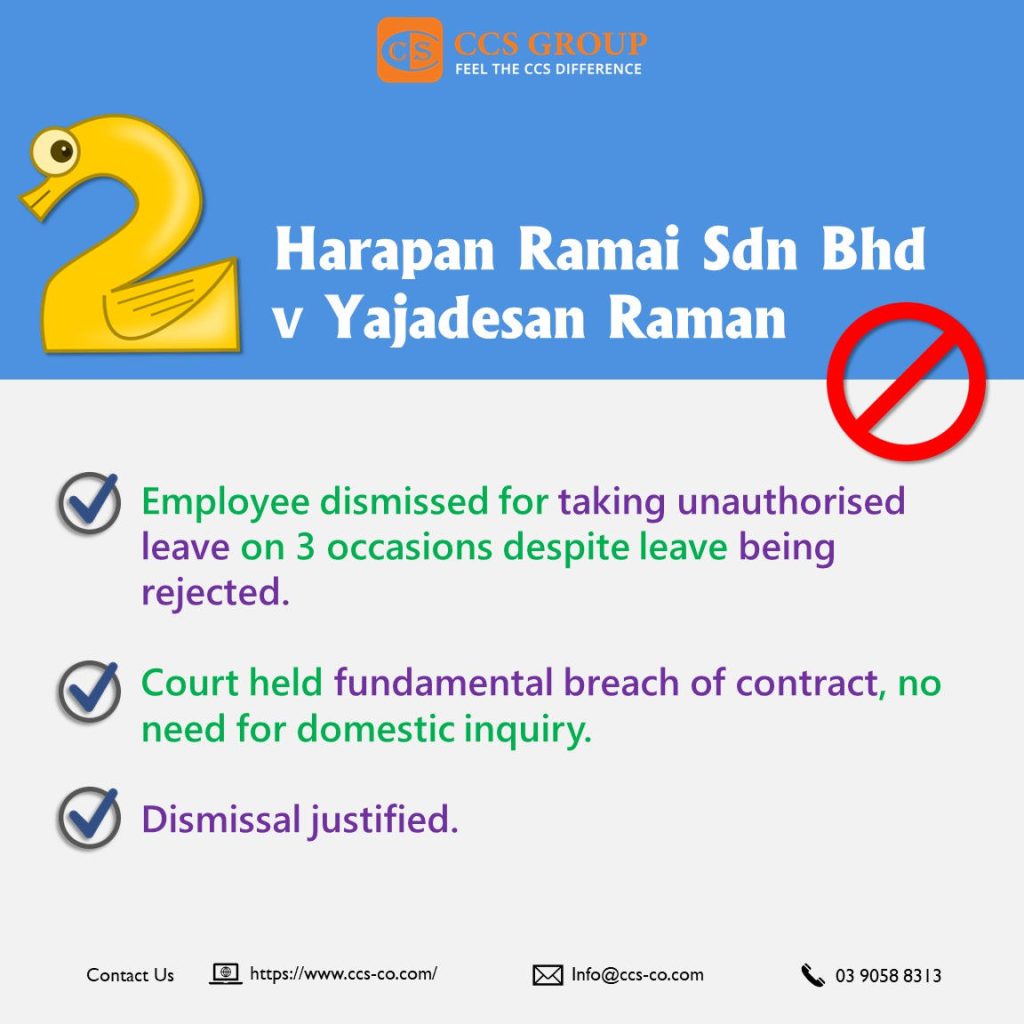
Harapan Ramai Sdn Bhd v Yajadesan Raman:
Background Facts:
The claimant Yajadesan Raman was employed as a driver by Harapan Ramai Sdn Bhd.
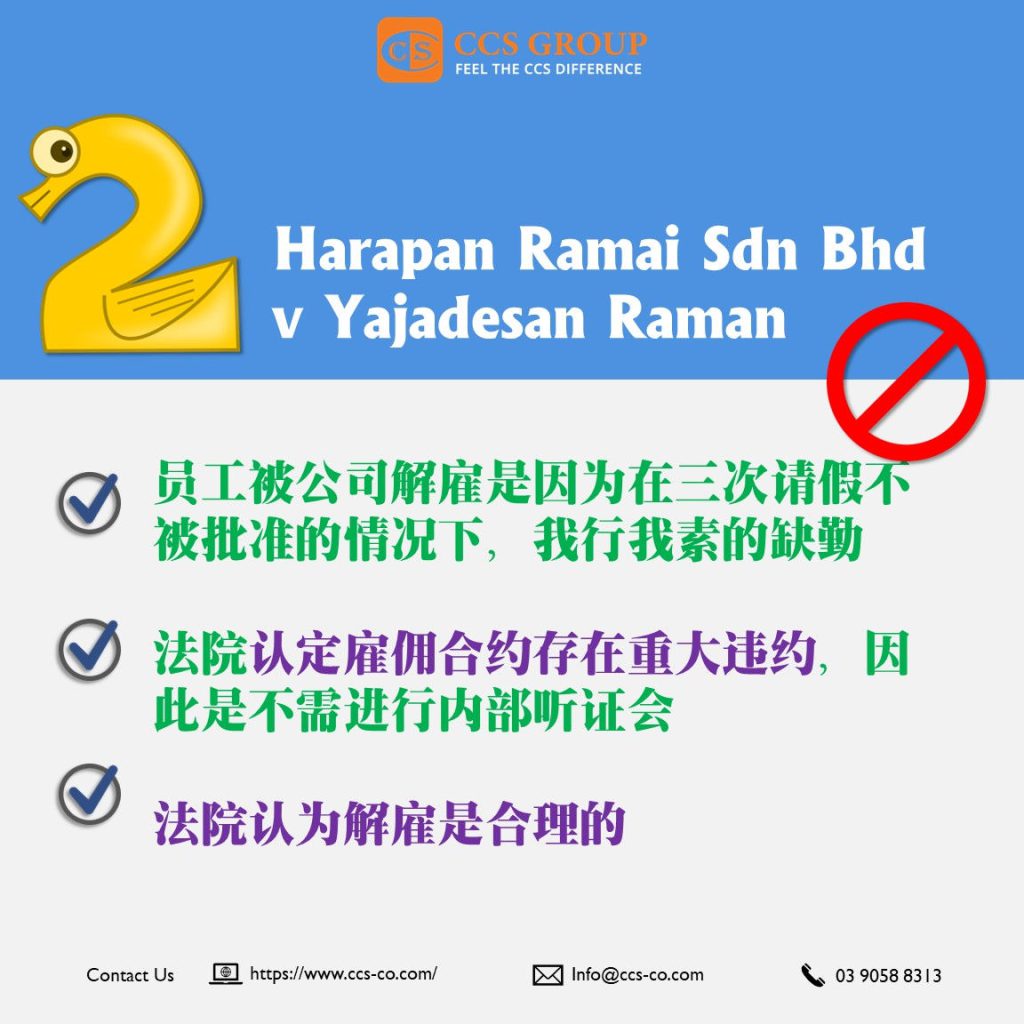
On three separate occasions (Nov 1993, Feb-Mar 1994, Mar 1994), the claimant applied for leave which was not approved by the company, but he still proceeded to go on leave.
After each unauthorised leave, the company issued a warning letter to the claimant. After the third incident, the company dismissed the claimant.
The claimant contends his dismissal was without just cause as he claims he did not apply for leave on those occasions, did not receive any warning letters, and alleges his leave forms and punch cards were forged by the company.
Court Evaluation:
The court found the testimonies and evidence presented by the company’s witnesses consistent and credible and accepted their version of events.
The court found the claimant’s forgery defence unsubstantiated and unbelievable.
The court held that an employee cannot take leave without the employer’s approval, and doing so is a fundamental breach of contract.
The court ruled there was no need for an inquiry in this case of fundamental breach, unlike for a misconduct dismissal.
The court was satisfied the company provided sufficient warnings and opportunity for the claimant to explain his actions before dismissal.
Conclusion:
The court ruled the claimant’s dismissal was with just cause and excuse, as he breached the employment contract by absenting himself without approved leave on three occasions despite warnings.
The court dismissed the claimant’s unfair dismissal claim against the company.
Pulai Mewah Sdn Bhd v Leong Fook Heng:
Background Facts:
Claimant Leong Fook Heng was employed as a supervisor by Pulai Mewah Sdn Bhd.
The company dismissed the claimant due to excessive absenteeism without a valid reason, which affected his ability to perform his duties and the company’s production.
The claimant contends he was not given any warning letters except one unsigned letter produced late. He denies being given verbal warnings.
The claimant argues his dismissal was without just cause as the termination letter did not specify the reason.
Court Evaluation:
The court found absenteeism was the real and main reason for the claimant’s dismissal.
The court accepted the claimant was absent without valid reasons for a substantial number of days, exceeding his leave entitlement.
The court found the claimant was given one written warning letter which he refused to sign, and verbal warnings which the claimant admitted to.
The court ruled the company did not condone the absenteeism but gave chances for the claimant to improve.
The court found the termination letter intimating the claimant was “unfit for the assigned job responsibilities” due to absenteeism was sufficient reason.
The court held the failure to hold a domestic inquiry was not fatal.
Conclusion:
The court ruled the claimant’s dismissal was with just cause and excuse as his excessive absenteeism constituted serious misconduct.
The disciplinary action taken was not excessive or harsh in light of the circumstances.
The court dismissed the claimant’s unfair dismissal claim.
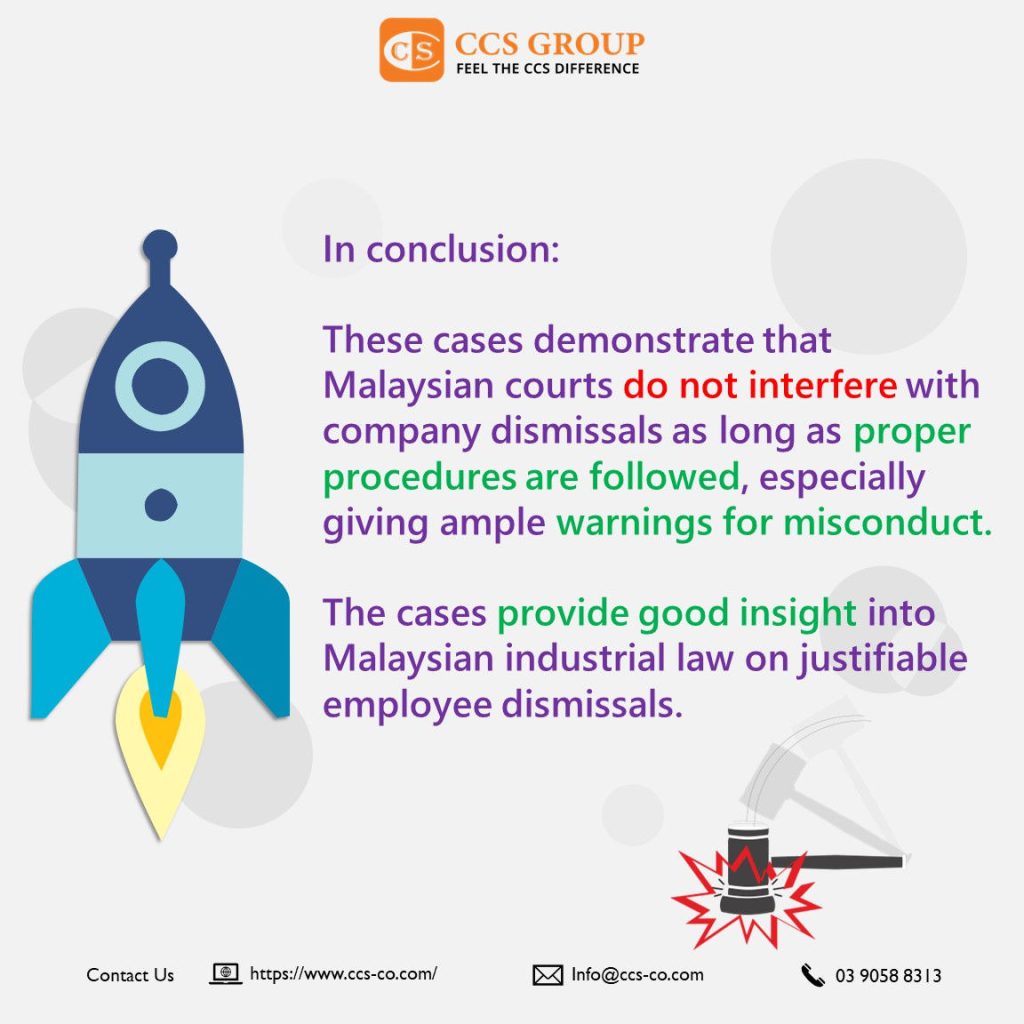
Conclusion, these three cases demonstrate that Malaysian courts do not interfere with company dismissals as long as proper procedures are followed, especially giving ample warnings for misconduct.
However, courts will inquire if dismissals are unfair or harsh.
Evidence must prove employee misconduct and warnings given.
Absenteeism and insubordination are valid causes if persistent. Proper documentation is essential.
The cases provide good insight into Malaysian industrial law on justifiable employee dismissals.
Companies must show they acted reasonably before courts will accept dismissals with just cause. Companies should issue show cause letters and verbal and written warnings, provide opportunities for improvement, and adequately document all processes.
Disclaimer:
The articles, templates, and other materials on our website are provided only for your reference.
While we strive to ensure the information presented is current and accurate, we cannot promise the website or its content, including any related graphics. Consequently, any reliance on this information is entirely at your own risk.
If you intend to use the content of our videos and publications as a reference, we recommend that you take the following steps:
Verify that the information provided is current, accurate, and complete.
Seek additional professional opinions, as the scope and extent of each issue may be unique.