Tag: 国际审计准则

  • The History of Auditing

    The History of Auditing

    The profession of auditing has been around for a significant amount of time. It has traditionally been concerned with accounting for government activities and examining the work done by tax collectors.

    Today, accounting records are required to be kept to comply with various pieces of legislation; however, in the past, this was not the case.

    In the early years of auditing, the keeping and preserving of accounting records were mainly done to discover fraudulent behaviour.

    审计行业已经存在了几百年,在历史上,它关注的是政府活动的会计,以及审查税收人员所做的工作。

    今天,商家们必须保持会计记录以遵守各种立法;然而,在审计的早期,保持和维护会计记录的主要目的是为了发现欺诈活动。

    From the middle of the 1700s to the middle of the 1800s, there was an increase in the demand for auditors. This was because, during that time, more responsibility was transferred from business owners to managers. As a result, auditors independent of management were required not only to be on the lookout for errors within the financial statements themselves but also for errors within the accounting records.

    It became apparent in the early 1700s that it was not economically viable for an auditor to analyse all of the transactions that had taken place during an accounting period. As a result, sampling procedures were developed in response to this reality. Audit sampling was developed so that auditors could select a sample of transactions that make up various balances and, as a result, acquire confidence that a particular audit area was free from misstatements. In today’s modern auditing profession, the concept of sampling is still very much alive.

    17世纪中期至18世纪中期,社会对审计师的需求有所增加,因为在那一时期,越来越多的责任从企业拥有者转移到管理者身上,因此需要独立于管理层的审计师,不仅要警惕财务报表本身的错误,还要警惕会计记录的错误。

    17世纪初,抽样技术被引入,因为审计师检查一个会计期间的所有交易在经济上显然是不可行的。

    抽样是专门设计的,以便审计师选择构成各种余额的交易样本,从而确保特定审计领域没有错报。在当今的现代审计行业中,抽样的概念仍然非常普遍。

    As more time passed, it became abundantly clear that the role of the auditor had developed into that of providing an opinion on the truth and fairness of the financial statements and that the detection of fraud and error had taken on a subordinate role as far as the objective of an audit was concerned.

    This was made clear by the fact that the auditor’s role had evolved into providing an opinion on the truth and fairness of the financial statements. As a result of management taking on the responsibility for both the prevention and detection of fraud, it became clear that the auditor’s work should no longer be primarily focused on detecting fraud; instead, the auditor’s procedures should be planned in such a way that a material fraud can be discovered (although it is still the case today that audit procedures are rendered adequate, a material fraud may still not be discovered).

    随着时间的推移,审计师的职责已逐渐演变为就财务报表的真实性和公允性发表意见,而发现欺诈和错误在涉及审计目标方面已成为次要角色。

    预防和发现舞弊的责任变成了管理层的责任,因此,审计师的工作不应该主要关注舞弊的发现,而审计师的程序应该以这样一种方式进行规划,即重大舞弊可以被检测到(尽管今天仍然存在审计程序充分的情况,但可能仍未发现重大欺诈)。

    In Kingston Cotton Mill, Lord Justice Lopez gave this viewpoint its official stamp of approval (1896).

    According to Lord Justice Lopez, the auditor’s function in an organisation should be more like that of a ‘watchdog’ than a ‘bloodhound.’

    According to Lord Justice Lopez,

    "It is the duty of an auditor to bring to bear on the work he has to perform that skill, care and caution which a reasonably careful, cautious auditor would use. What is a reasonable skill, care and caution must depend on the particular circumstances of each case. An auditor is not bound to be a detective, or, as was said approach his work with suspicion, or with a foregone conclusion that there is something wrong. He is a watchdog, not a bloodhound. He is justified in believing tried servants of the company in whom confidence is placed by the company. He is entitled to assume that they are honest and rely upon their representations, provided he takes reasonable care" — Kingston Cotton Mill and the Lord Justice Lopez case (1896).

    这一观点由大法官洛佩兹在金斯敦棉纺厂案(1896 年)中正式确立。

    洛佩兹大法官说,审计师在实体中的角色应该是“看门狗”而不是“猎犬”。

    洛佩兹大法官说:

    "审计员有责任在他必须执行的工作中承担谨慎的审计员会使用的合理技能、小心和谨慎。至于什么是合理的技能、小心和谨慎,则必须取决于特定情况而定。审计员没有必要成为一名侦探,或者如前所述,以怀疑的态度对待他的工作,或者得出认为有问题的结论。他其实是看门狗,而不是猎犬。他有理由相信公司被公司信任的受聘雇员。他有权假定他们是诚实的并依赖他们的陈述,前提是他采取了合理的谨慎"。- 金斯顿棉纺厂和洛佩兹法官案(1896年)。

    In this case, Lord Lopez believed that the auditor needs to do their duties with reasonable care and skill for their work to have a chance of detecting material misstatements, whether caused by fraud and/or error.

    This view is still held today even though the ISAs require auditors to maintain a certain degree of professional scepticism by challenging management’s assumptions and assuming that the financial statements will be misstated by fraud and/or error before audit procedures are applied.

    The auditing profession has been under fire over the years for its alleged inability to address issues that contributed to the demise of several well-known companies. This failure prompted criticism in the first place.

    在这种情况下,Lopez 勋爵认为,审计师需要以合理的谨慎和技能来履行职责,使他们的工作有机会发现重大错报,无论是由欺诈和/或错误造成。

    这一观点在今天仍然适用,因为《国际审计准则》要求审计师保持一定程度的职业怀疑态度,对管理层的假设提出质疑,并在采用审计程序之前,认为财务报表会因欺诈和/或错误而被错报。
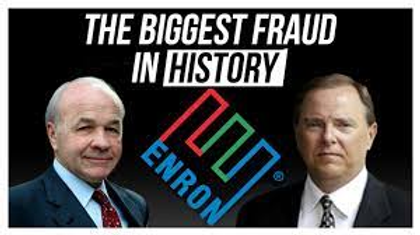
    This was especially the case with Enron, which saw a disastrous effect due to the manipulation of the company’s financial statements and the deception of shareholders (many of whom saw their full pensions evaporate as a direct result of the company’s collapse).

    As Enron’s auditor, the ‘Big 5’ accounting firm Arthur Andersen was brought to its knees by the Enron scandal and ultimately went out of business.

    多年来,审计行业一直因未能处理导致一些知名公司倒闭的问题而受到批评。特别是安然公司,由于操纵财务报表和误导股东(其中一些人由于公司的倒闭而失去了全部养老金)而带来了灾难性的影响。

    在安然事件中,”五大 “会计师事务所安达信(Arthur Andersen)作为安然公司的审计师,也随之消失在历史中。

    The auditing profession was blamed for allegedly failing to challenge banks on their practices during the economic crisis that began around 2007, particularly regarding so-called “toxic assets” and assumptions used in fair value accounting and estimates.

    Because of this, regulatory bodies have begun looking into auditing firms to determine how they could have been so negligent in identifying potential problems.

    始于 2007 年左右的经济危机还导致审计行业被指责未能对银行的做法提出质疑,尤其是在涉及“有毒资产”以及公允价值会计和估计中使用的假设方面。

    正因为如此,监管机构已经开始对审计公司进行调查,以确定他们在发现潜在问题时怎么会如此疏忽大意。

    22
  • ISQC 1: Audit Firms must ensure that their Audits adhere to Quality Standards

    ISQC 1: Audit Firms must ensure that their Audits adhere to Quality Standards

    The purpose of this is to reduce the RISKS of:

    • Litigation brought against the Firm for alleged violations of professional conduct;
    • Incorrect opinion from the auditor, and as a result, boosted confidence in the reliability of the financial statements among investors

    审计事务所必须确保他们的审计工作遵守质量标准,其目的是减少以下的风险:

    • 审计事务所因涉嫌违反职业行为而面对诉讼的风险;
    • 审计师提供不正确意见的风险,并因此增强投资者对财务报表可靠性的信心

    There are 2 Different Quality Control Standards

    • At the firm level:
      • the International Standard on Quality Control 1 (ISQC 1) is Quality Control for Firms that carry out audits and reviews [*]
    • At the individual AUDIT level:
      • International Standard on Auditing [ISA] 220 Quality Control for an Audit of Financial Statements [*] is specific to audit engagements and contains specific requirements that should be adhered to in the performance of any audit.

    有两种不同的质量控制标准

    • 在公司层面
      • 国际质量控制标准 1(ISQC 1)是对进行审计和审查的会计事务所的质量控制 [*] 。
    • 在个别审计层面
      • 国际审计准则 [ISA] 第220号 《财务报表审计的质量控制》[*] 是专门针对审计业务及包含了在执行任何审计时应遵守的具体要求。

    [*] – However, effective 15 December 2022:

    • ISQM 1 replaces ISQC 1;
    • ISA 220 Quality Management for an Audit of Financial Statements replaces Quality Control for an Audit of Financial Statements

    [*] – 然而,即将在2022年12月15日生效:-

    ISQM 1 取代了 ISQC 1;

    ISA 220 财务报表审计的质量管理取代财务报表审计的质量控制

    *Quick note to Audit Firms:

    Firms are recommended to research the requirements of the three new quality management standards that have been adopted by the International Auditing and Assurance Standards Board (IAASB). These standards are scheduled to become effective on December 15, 2022.

    The standards, which include the International Standards on Quality Management ISQM 1 and ISQM 2, as well as the International Standard on Auditing ISA 220 Revised, are an evolution from a traditional, more linear approach to quality control.

    They are intended to create a more robust System of Quality Management for Firms that use the standards developed by the International Auditing and Assurance Standards Board (IAASB). The new standards provide an approach to audit quality management that is robust, scalable, and proactive. This approach is essential to ensuring that the auditing profession will continue to be trusted and viable in the future.

    18
  • 7. How can the Application of Professional Skepticism be Evidenced?

    7. How can the Application of Professional Skepticism be Evidenced?

    Auditors often show Professional Skepticism during audit conversations.

    The auditor’s discussion with TCWG may explain why a substantial accounting practice permissible under the applicable financial reporting framework is not most suited for the entity.

    审计师在审计谈话中经常表现出职业怀疑态度。

    审计师与 TCWG 的讨论可能会解释为什么在适用的财务报告框架下允许的实质性会计做法却不是该实体最适合的。

    Audit documentation is essential for demonstrating Professional Skepticism since it shows that the audit was planned and completed according to ISAs and other legal and regulatory requirements.

    The ISAs require the auditor to prepare adequate audit documentation to allow an experienced auditor with no prior connection to the audit to understand, among other things, significant audit matters, conclusions, and judgments.

    The ISAs also require auditors to document discussions with management, TCWG, and others, detailing the nature of the significant matters discussed, when, and with whom.

    Such documentation helps the auditor show how significant judgments and key audit concerns were addressed and whether sufficient and relevant audit evidence was acquired.

    审计文件对于证明 “职业怀疑”至关重要,因为它表明审计是根据《国际审计准则》和其他法律及监管要求来计划和完成的。

    《国际审计准则》要求审计师准备充分的审计文件,以使事先与相关审计无关但有经验的审计师,除其他事项外,能够了解重要的审计事项、结论和判断。

    《国际审计准则》还要求审计师记录与管理层、TCWG 和其他方的讨论,详细说明所讨论的重大事项的性质、时间和对象。

    这样的文件有助于审计师说明如何处理重大判断和关键的审计问题,以及是否获得了充分和相关的审计证据。

    When matters and judgments are important, it is important to prepare audit documentation, such as in the following situations:

    • The significant decisions made by the project team regarding the likelihood of fraud resulting in a material misstatement in the entity’s financial statements and their communications with management, the TCWG, regulators and others regarding fraud issues.
    • Known or suspected non-compliance with laws and rules, as well as the results of discussions with management, TCWG, and other parties outside the entity.
    • The basis for the auditor’s conclusions about the reasonableness of accounting estimates, their disclosures that give rise to significant risks, and any indicators of possible management bias.
    • Identified information that doesn’t fit with the auditor’s conclusion about a significant matter and how that inconsistency was handled.
    • The basis for the auditor’s conclusions on the reasonableness of areas of subjective judgments.
    • The auditor’s conclusion about a document’s authenticity when further investigation (such as using an expert or confirmation procedures) is done in response to audit conditions that led the auditor to assume the document may not be legitimate.

    当事项和判断非常重要时,编制审计文件也会显得很重要,例如在以下情况下

    • 项目团队就欺诈导致实体财务报表中出现重大错报的可能性所作出的重要决定,以及他们与管理层、TCWG、监管机构和其他方面就欺诈问题所进行的沟通。
    • 已知或涉嫌不遵守法律和规则的情况,以及与管理层、TCWG 和实体外其他各方所讨论的结果。
    • 审计师关于会计估计合理性的结论的依据,其引起重大风险的披露,以及任何可能的管理偏见的迹象。
    • 已确定的与审计师关于重大事项的结论不一致的信息,以及如何处理这种不一致的情况。
    • 审计师对主观判断领域的合理性的结论的依据。
    • 针对审计过程中发现的导致审计师认为文件可能不真实的情况而进行的进一步调查(如适当使用专家或确认程序)。

    Since Professional Skepticism is a state of mind, it can be challenging to show how the auditor utilised it during the audit.

    ISAs remark that no single mechanism exists to document an auditor’s Professional Skepticism.

    However, Audit documentation may show the auditor’s ISA-compliant Professional Skepticism, such evidence may include measures performed to substantiate management’s responses to the auditor’s inquiries.

    由于 “职业怀疑论 “是一种心态,因此如果要显示审计师在审计过程中是如何利用这种心态,这会是一个非常大的挑战。

    《国际审计准则》指出,现实中并不存在一个单一的机制来记录审计师的职业怀疑态度。

    然而审计文件可以显示审计师符合《国际审计准则》的职业怀疑态度,这些证据可能包括为证实管理层对审计师询问的答复而采取的措施。

    18
  • 8. Do Regulators, Audit Firm Oversight Bodies, and Governance Bodies support Auditors’ Scepticism?

    8. Do Regulators, Audit Firm Oversight Bodies, and Governance Bodies support Auditors’ Scepticism?

    The ISAs do not set forth requirements for regulators and oversight bodies of the audit firms, nor for TCWG.

    However, because of the critical role that those stakeholders serve in achieving audit quality, they are in a position to further challenge auditors to be skeptical through adequate two-way communication and effective oversight and inspection of audits.

    《国际审计准则》没有对审计公司的监督机构或 TCWG 有规定的要求。

    然而,由于这些利益相关者在实现审计质量方面起着关键作用,他们有能力通过充分的双向沟通和对审计的有效监督和检查,进一步挑战审计师的怀疑精神。

    Auditors and TCWG must communicate effectively during the audit. ISAs require the auditor to explain the audit scope, timing, significant findings, and difficulties.

    Required communications include the auditor’s comments on accounting policies, estimates, and financial statement disclosures.

    审计师和 TCWG 必须在审计过程中进行有效沟通。《国际审计准则》要求审计师解释审计范围、时间、重大发现和挑战。

    要求的沟通包括审计师对会计政策、估计和财务报表披露的评论。

    TCWG is in a position to influence and stimulate auditor skepticism by providing feedback on important matters pertaining to the audit. For example, in receiving communications about the planned scope and timing of the audit, TCWG may:-

    • Discuss issues of risk and the concept of materiality with the auditor;
    • Identify any areas in which they may request the auditor to undertake additional procedures; and
    • Assist the auditor in better understanding the entity and its environment.

    TCWG 有能力通过提供有关审计的重要事项的反馈来影响和激发审计师的怀疑态度。例如,在接受有关审计的计划范围和时间的沟通时,TCWG 可以:-

    • 与审计师讨论风险问题和重要性的概念;
    • 确定他们可能要求审计师采取额外程序的任何其他领域;以及
    • 协助审计师更好地了解该实体及其环境。

    Through monitoring and audit inspections, oversight bodies can foster productive communication that helps auditors understand the necessity of Professional Skepticism in financial statement audits. The auditor’s documentation is particularly important as it serves, among other purposes, to enable the conduct of external inspections in accordance with applicable legal, regulatory, or other requirements.

    Auditors must also communicate directly with regulators or prudential supervisors and TCWG.

    Even without a necessity, the auditor may determine it necessary to communicate with regulators or prudential supervisors. However, the auditor’s duty to protect client confidentiality may prevent such reporting. The auditor may seek legal counsel to identify the best course of action.

    通过监督和审计检查,监督机构可以促进有效的沟通,帮助审计师了解财务报表审计中职业怀疑的必要性。审计师的文件特别重要,除其他目的外,因为它还有助于根据适用的法律、法规或其他要求进行外部检查。

    审计师也必须与监管机构或审慎的监管者和 TCWG 直接沟通。

    即使没有必要,审计师也可以确定有必要与监管者或审慎监管者沟通。然而,审计师保护客户机密的责任可能会阻止这种报告。审计师可寻求法律顾问以确定最佳行动方案。

    17